The global Marine Grade Fasteners industry is witnessing an unprecedented evolution, driven by the expansion of offshore renewable energy, luxury yachting, and robust maritime infrastructure projects. As a specialized sector of the fastener market, marine grade components are engineered to withstand the harshest corrosive environments, primarily characterized by high salinity, moisture, and extreme temperature fluctuations. From 316 stainless steel to advanced titanium alloys, the material science behind these fasteners is the bedrock of maritime safety and structural integrity.
Current market data suggests a steady CAGR growth in the demand for corrosion-resistant fasteners. This is not only due to traditional shipbuilding but also the "Blue Economy" initiatives worldwide. Global procurement managers are increasingly seeking manufacturers who offer more than just a product; they require partners with deep technical expertise, verifiable material certifications (like 3.1 EN10204), and the capacity to handle large-scale industrial orders.
Tons Annual Capacity
Years Industry Experience
High-Grade Materials
Certified Quality Control
The shift towards green energy has placed marine-grade fasteners at the heart of offshore wind turbine construction. These fasteners must last 25-30 years in splash zones without maintenance.
Beyond traditional galvanization, the industry is moving toward nano-coatings and fluoropolymer finishes (like Xylan) to provide superior friction control and chemical resistance.
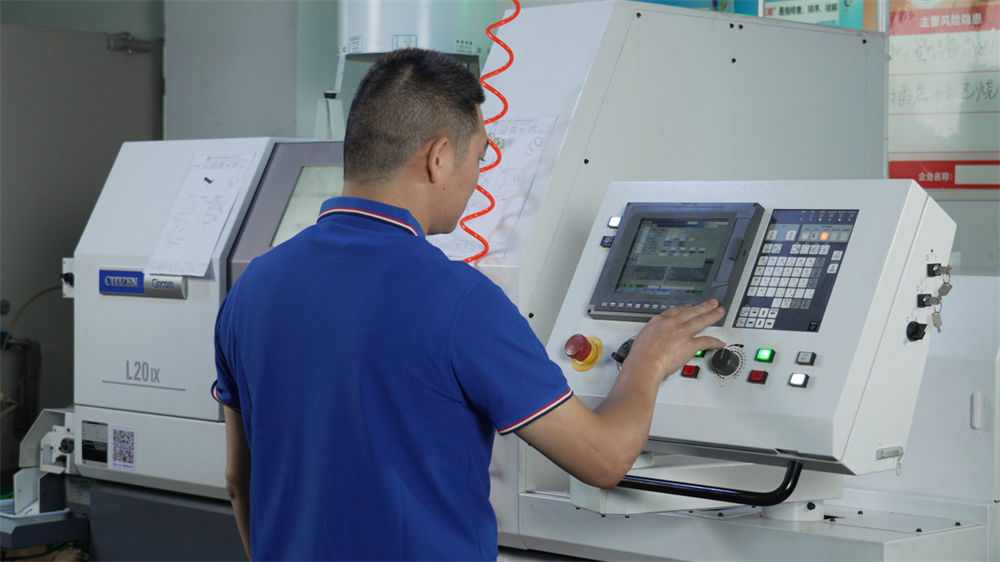
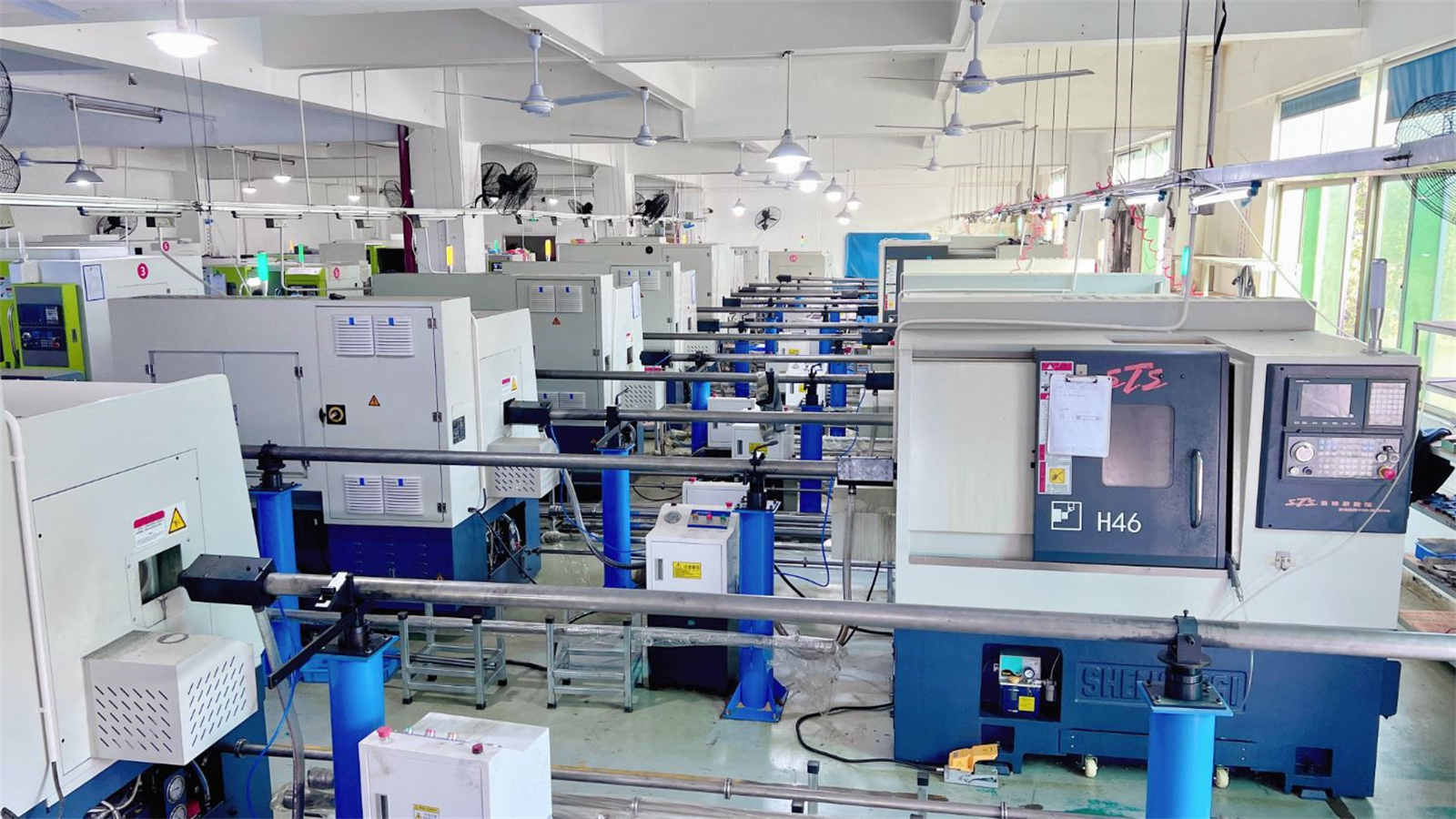
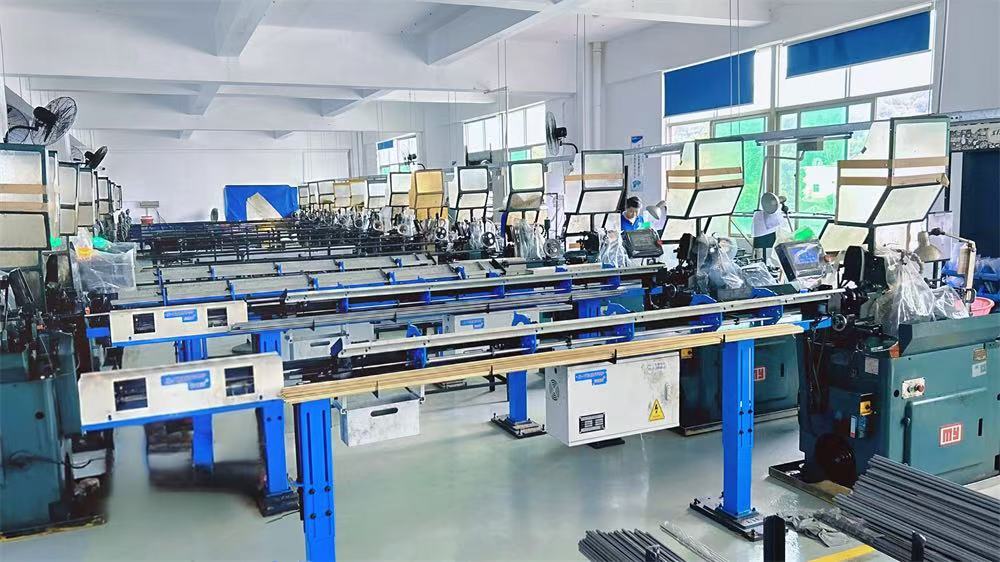
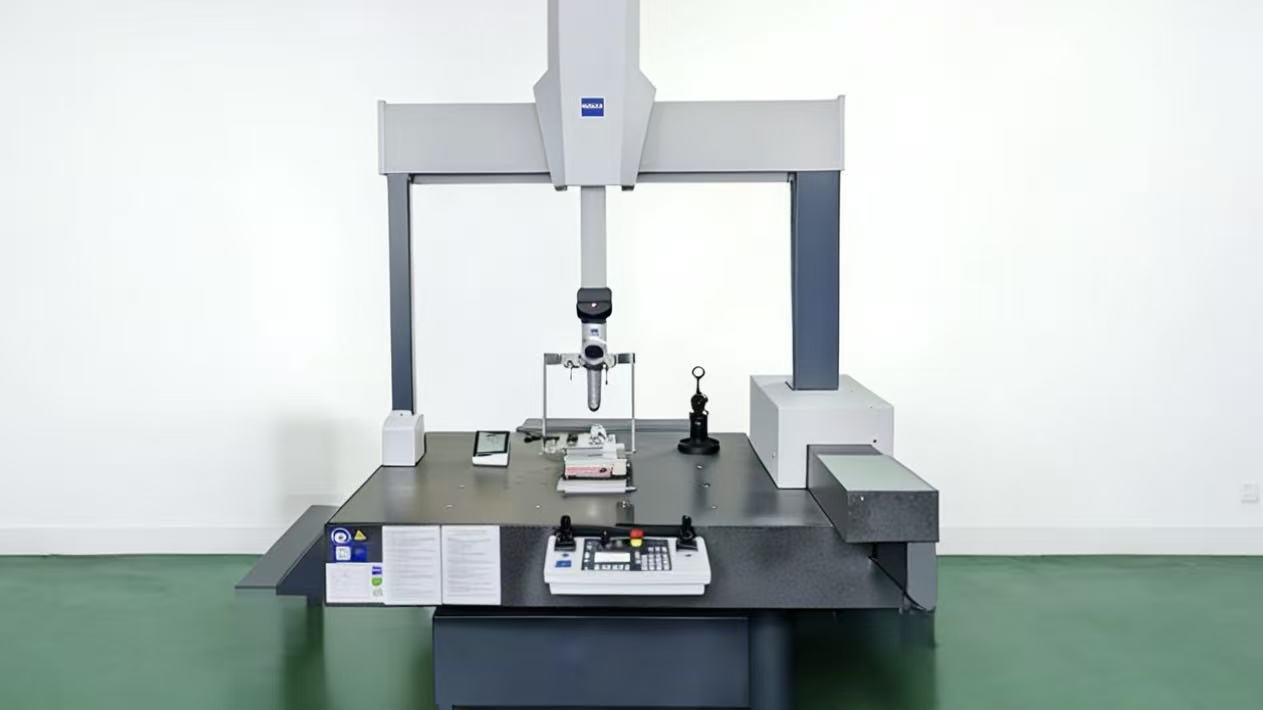
Automation in CNC and cold forging ensures that every bolt and screw meets a 0.01mm tolerance, crucial for high-stress marine applications where failure is not an option.
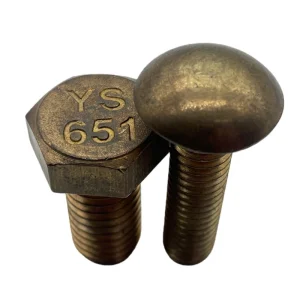
Procuring Marine Grade Fasteners involves a complex understanding of local environmental stressors. In coastal infrastructure, such as bridges and piers, fasteners must resist chloride ion penetration. In the oil and gas sector, high-pressure subsea environments demand Grade 5 Titanium or Silicon Bronze for their non-magnetic and anti-corrosive properties.
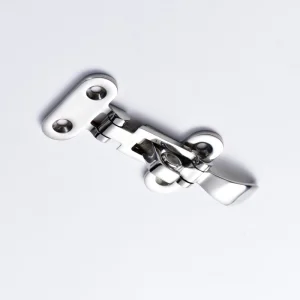
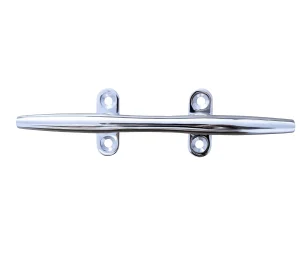
Luxury vessels require aesthetic perfection combined with the strength of 316L stainless steel. Our anti-rattle latches and rope fasteners are industry standards for premium shipbuilders.
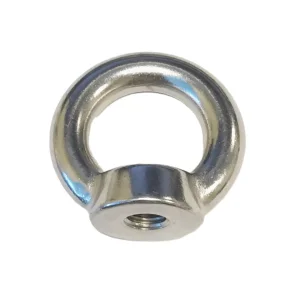
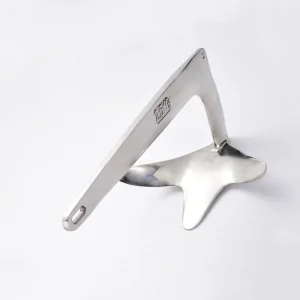
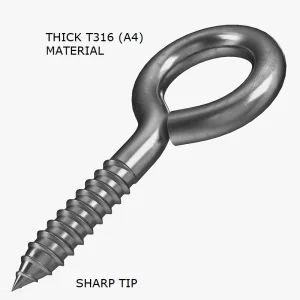
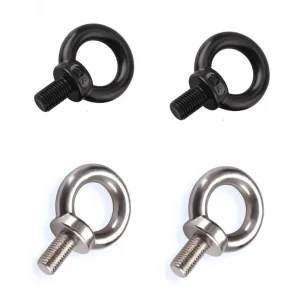
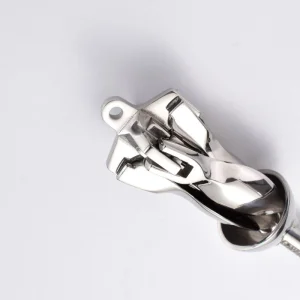
Deep-sea fish farming cages and docking systems utilize heavy-duty eye bolts and anchors that can endure constant wave action and biological fouling.
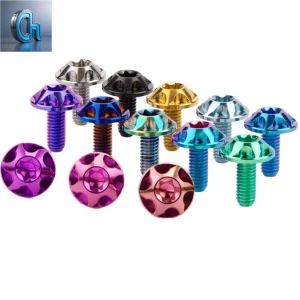
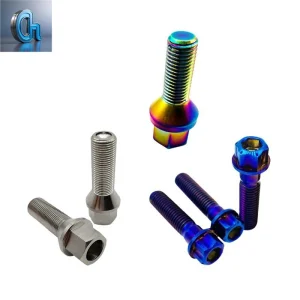
The crossover between marine and chemical industries is vast. Our Titanium Alloy bolts serve dual roles in salt-sprayed deck equipment and corrosive chemical processing plants.
VLC stands as a premier manufacturer of high-performance bolts and screws in China. With two decades of specialized focus, we have cultivated a reputation for reliability and technical prowess.
Since our inception in 2006, our leadership has focused on a singular mission: becoming the global "First Choice" for industrial fasteners. Today, we boast an annual output of 10,000 tons, specializing in structural bolts, studs, and hex bolts that meet international standards (DIN, ASTM, ISO).
China offers an unparalleled ecosystem for raw material sourcing (316L, 4140, Scm440) and specialized surface treatments, ensuring rapid turnaround times.
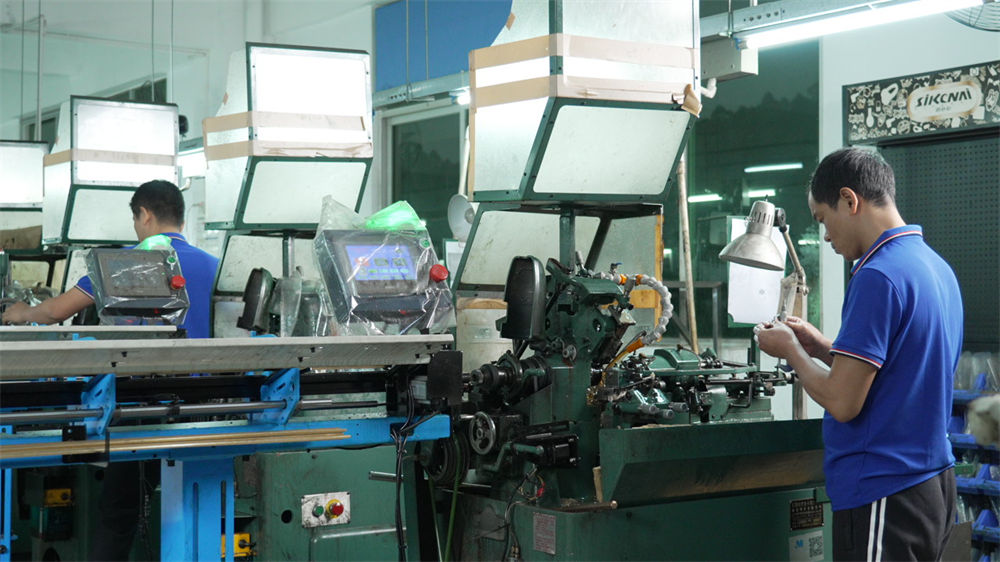
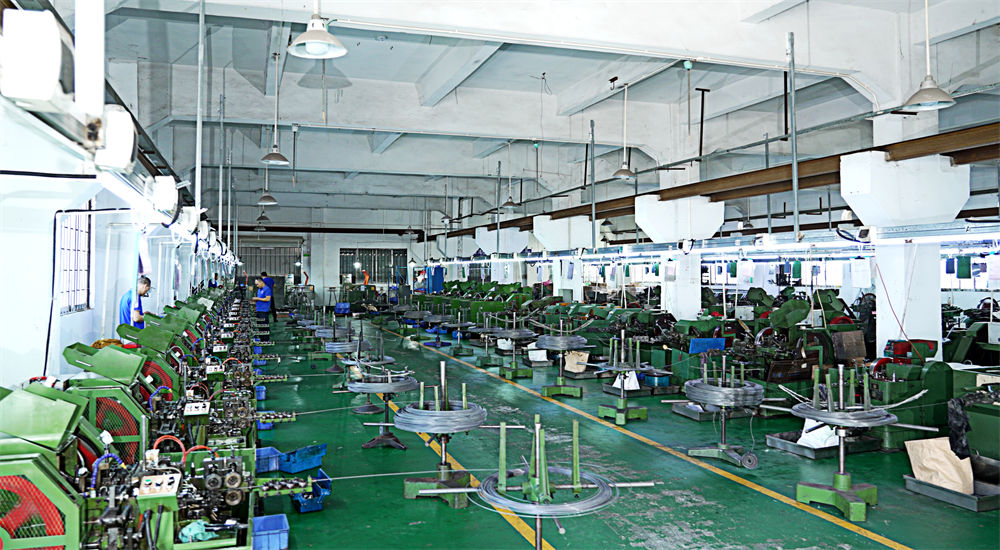
Leveraging high-volume production and automated cold forging, we provide competitive pricing without compromising the metallurgical integrity required for marine use.
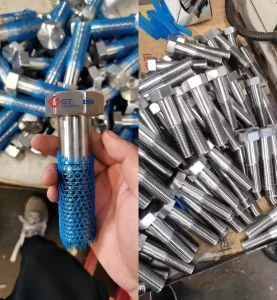
Our facility utilizes CNC Lathes and Lathe Processes to ensure that fasteners like the ASTM A193 B7 Stud and Grade 8.8 Solar bolts meet exact mechanical properties.
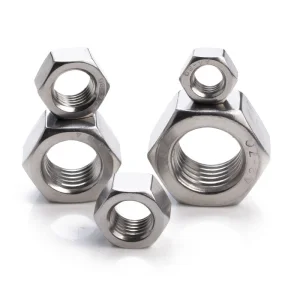
Understanding the difference between 304 and 316L stainless steel is vital. While 304 is suitable for freshwater, Marine Grade 316L contains Molybdenum, which provides critical resistance to pitting and crevice corrosion in chloride environments. For even more extreme applications, we offer Silicon Bronze (C65100) and Titanium Grade 2/5, which offer superior strength-to-weight ratios and are essentially immune to corrosion in seawater.
Our production capabilities include:
 VLC Part