Engineered to deliver exceptional corrosion resistance in Kiribati's extreme tropical maritime climate.
Understanding the severe atmospheric conditions of the Central Pacific and the necessity of high-PREN marine fasteners.
The Republic of Kiribati, comprising 33 atolls and reef islands dispersed over 3.5 million square kilometers of the central Pacific Ocean, experiences one of the world's most aggressive atmospheric corrosion zones. In urban centers like South Tarawa, Betio, and Kiritimati Island, critical infrastructure, marine vessels, and solar PV arrays are exposed to continuous salt spray, high ambient humidity (averaging 80%), and elevated temperatures.
Standard carbon steel and low-grade stainless steels undergo rapid pitting and stress corrosion cracking (SCC) under these conditions. The presence of chloride ions in the sea breeze acts as a catalyst, breaking down the passive oxide film of standard fasteners. For marine infrastructure, jetty structures, and boat maintenance, specifying the correct alloy is not just a matter of performance, but of structural safety and minimizing catastrophic mechanical failure.
To combat localized pitting corrosion in the warm seawater of Kiribati, engineering designs must focus on the alloy's chemical composition, particularly chromium (Cr), molybdenum (Mo), and nitrogen (N). The industry standard metric for comparing pitting resistance is the Pitting Resistance Equivalent Number (PREN), calculated using the formula:
PREN = %Cr + 3.3 * %Mo + 16 * %N
| Alloy Grade | Common Standard / UNS | Nominal Chemical Composition | Calculated PREN | Best Use Case in Kiribati |
|---|---|---|---|---|
| SS304 (A2) | UNS S30400 / DIN 1.4301 | 18% Cr, 8% Ni | ~18.0 | Mild inland atmospheric applications, temporary fixtures. Not recommended for splash zones. |
| SS316 (A4) | UNS S31600 / DIN 1.4401 | 16-18% Cr, 10-14% Ni, 2-3% Mo | ~23.0 - 25.0 | Dock installations, standard marine deck hardware, coastal utility installations. |
| SS316L (Low Carbon) | UNS S31603 / DIN 1.4404 | 16-18% Cr, 10-14% Ni, 2-3% Mo, <0.03% C | ~23.0 - 25.0 | Welded maritime components, heavy-duty marine nuts, prevention of intergranular corrosion. |
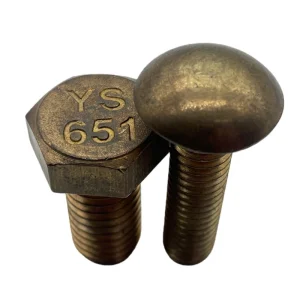
| Silicon Bronze | UNS C65100 / C65500 | 96% Cu, 1.5-3% Si, 1% Mn | N/A (Copper base) | Wooden hulls, classic shipbuilding, electrical groundings near seawater, biofouling mitigation. |
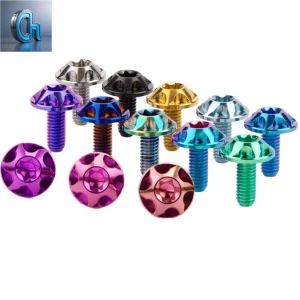
| Titanium Grade 2 / 5 | UNS R50400 / R56400 | Pure Ti / 6% Al, 4% V | >45.0 | Desalination systems, deep sea offshore equipment, high-stress maritime propulsion parts. |
Advanced structural fasteners and subsea hardware engineered for desalination, energy, and fishing industries.
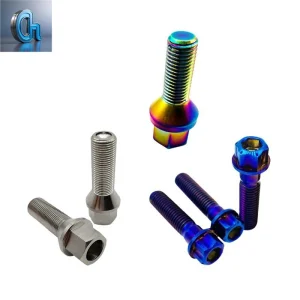
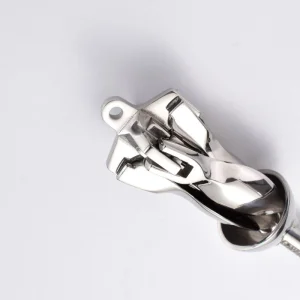
Delivering high-volume production, extreme precision machining, and logistics reliability directly to the South Pacific.
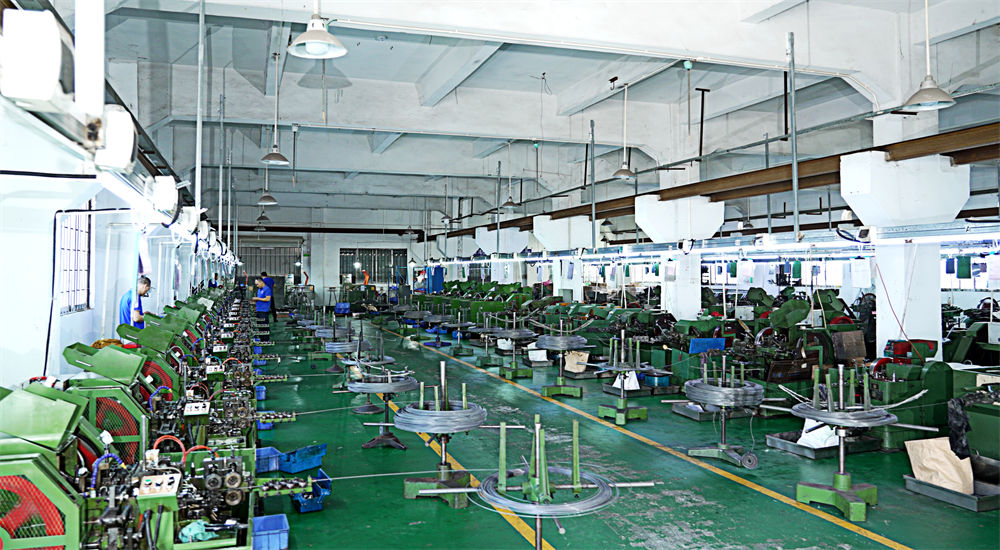
VLC is a leading bolts and screws manufacturer in China. With about 20 years of expertise in fasteners production and technology, we have annual output of 10,000tons bolts, studs, screws etc, especially hex bolts, structural bolts and studs. Our factory leader started the first personal owned business in 2006, with a mission of becoming customers’ first choice for fasteners manufacturers in China.
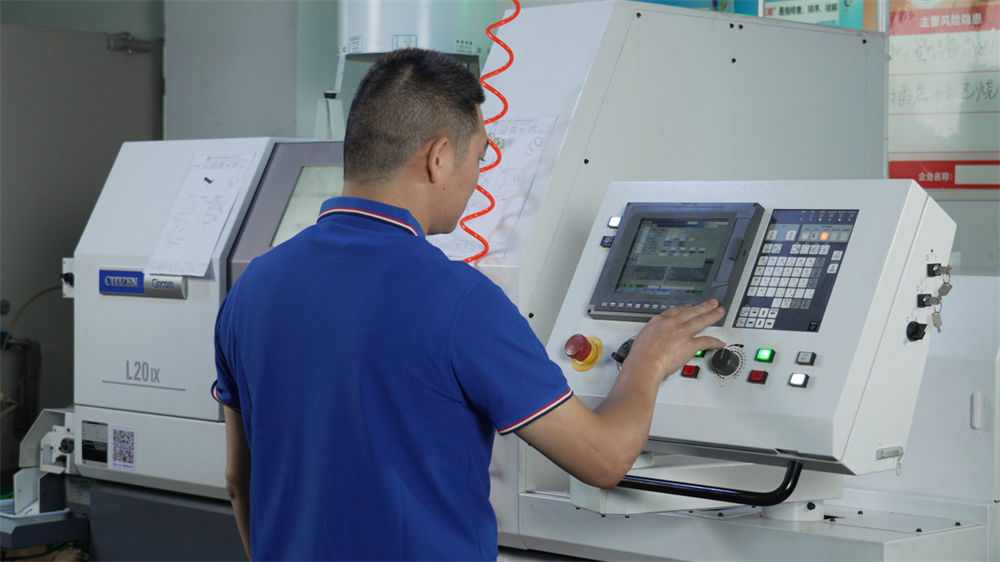
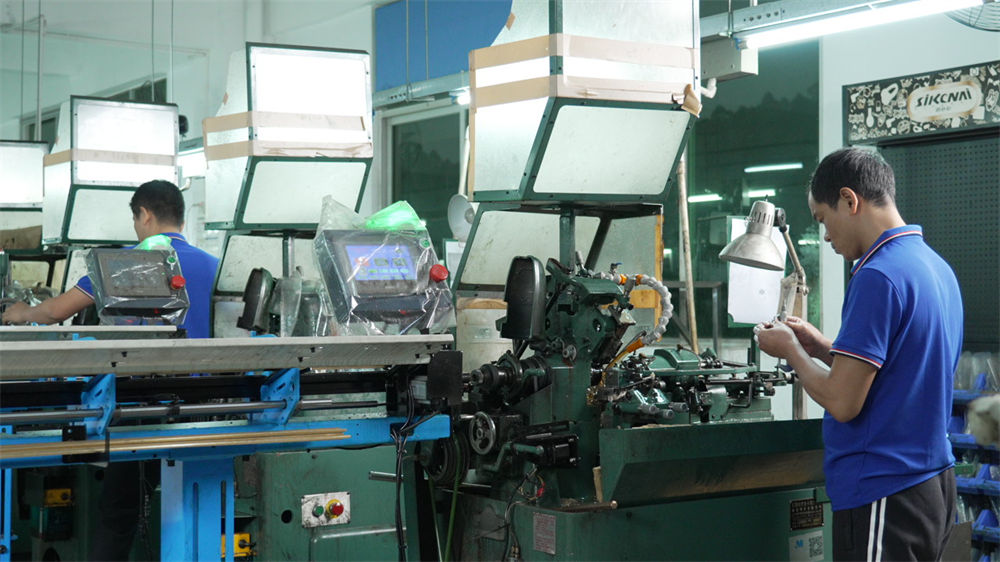
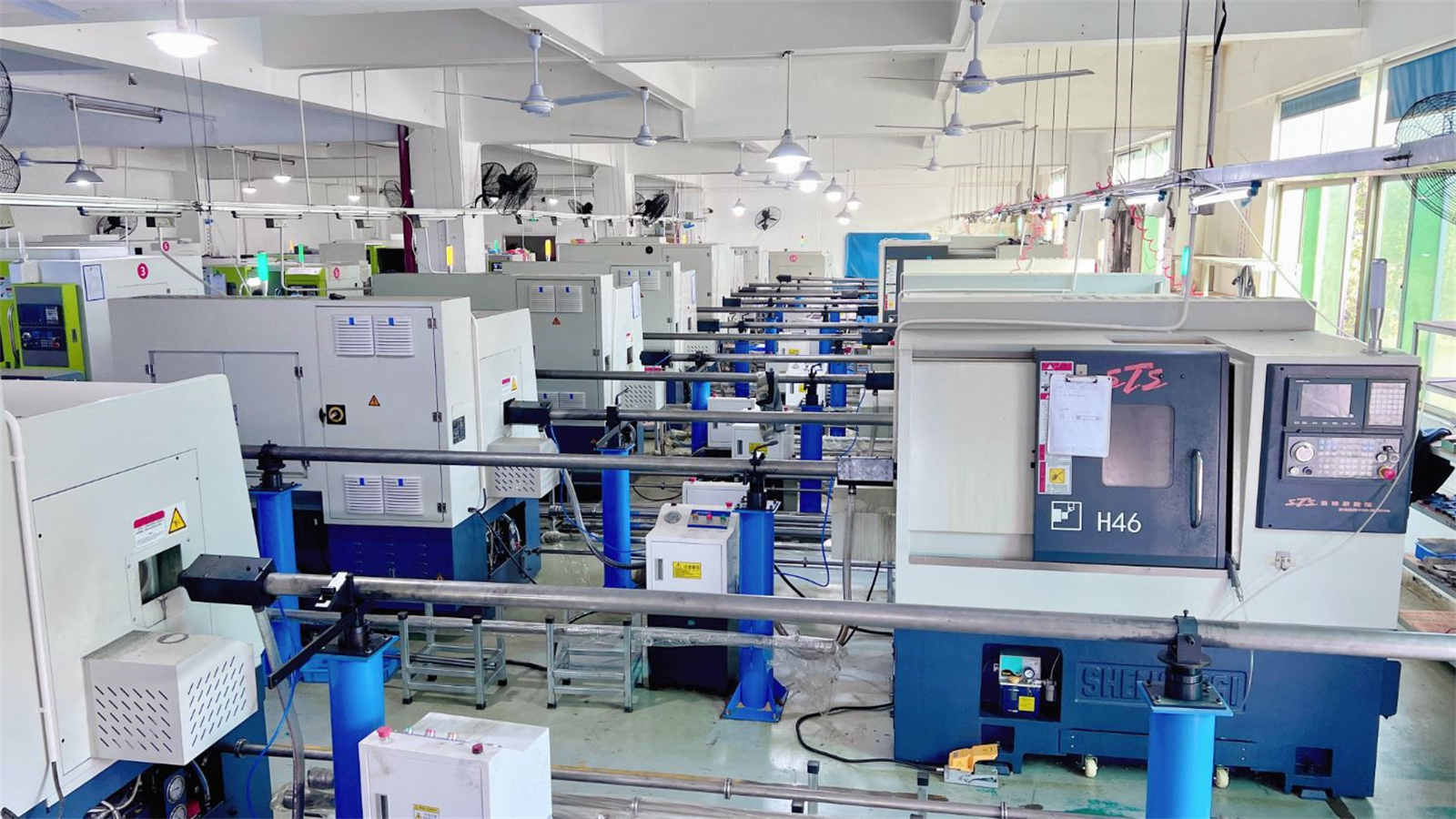
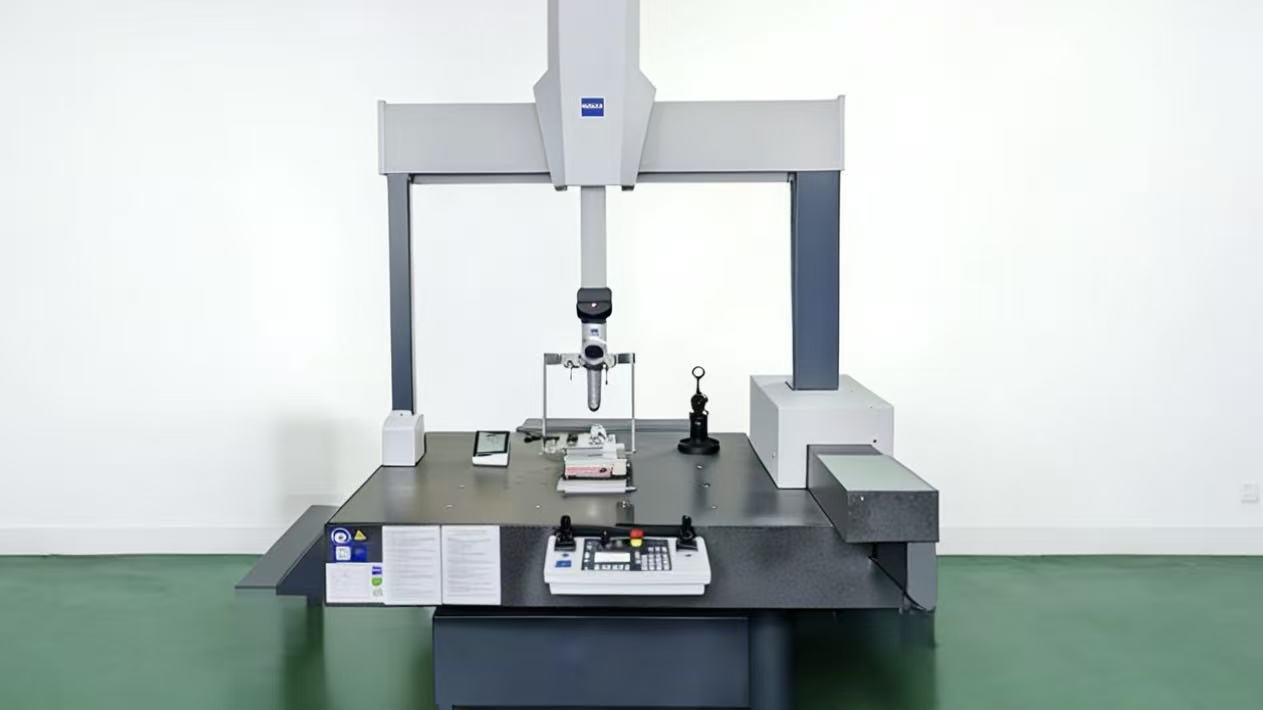
Through advanced metallurgy control, rigorous tensile and corrosion testing, and high-precision CNC machining, we ensure that every batch of fasteners shipped to Kiribati matches international standards (ASTM, DIN, ISO, and JIS). Our manufacturing plant is equipped to process various grades of stainless steels, titanium alloys, silicon bronze, and structural carbon steel, ensuring the performance requirements of maritime, civil engineering, and off-grid power systems are met fully.
Deploying specialized fasteners to solve real-world engineering challenges across atoll infrastructure.
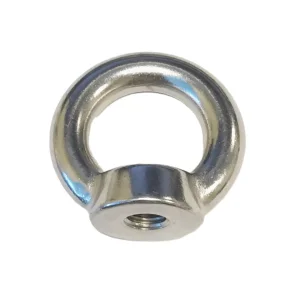
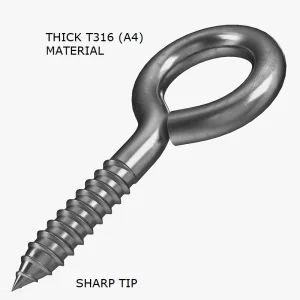
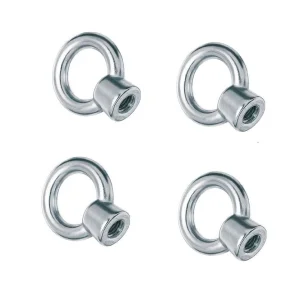
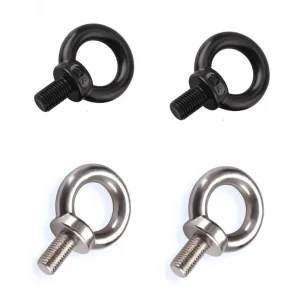
Rising sea levels require robust defensive seawalls in South Tarawa. Our heavy-duty A4 (SS316) long eye bolts and anchor bolts provide corrosion-resistant structural coupling for concrete gabions, geocontainer anchors, and wave attenuation blocks.
Kiribati's transition to clean energy involves extensive solar mounting arrays near the coast. Utilizing 8.8 grade solar fasteners, combined with hot-dip galvanization or SS316 coatings, ensures mounting structures withstand intense ocean salinity without galvanic degradation.
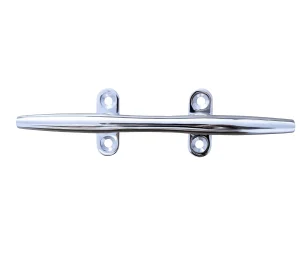
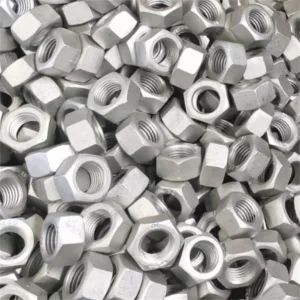
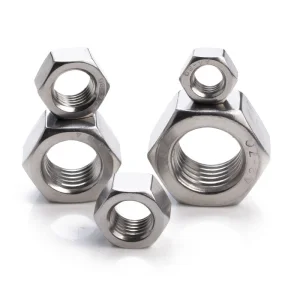
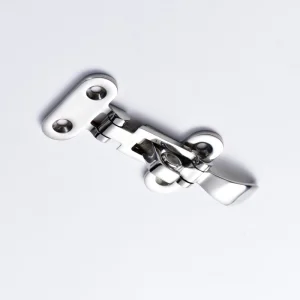
Maintaining cargo vessels, landing crafts, and the local fishing fleet at the Betio Port requires fasteners that resist constant submersion. SS316L hexagon nuts, anti-rattle latches, and bronze fasteners support mechanical longevity in engine bays and hulls.
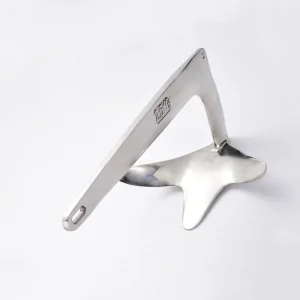
Browse our core inventory of standard and customized marine bolts, studs, anchors, and specialized components.
Driving innovations in material coating and marine metallurgy to withstand climate change and high-salinity realities.
As climate change accelerates, coastal infrastructure will face increased mechanical stresses from intense weather events. VLC is investing heavily in smart coating technologies such as multi-layer organic-inorganic zinc flake systems and Teflon-based fluoropolymer finishes. These technologies allow structural carbon steel fasteners, such as our ASTM A193 B7 bolts, to operate with greatly enhanced corrosion-free service lives in high-salinity zones, providing a cost-effective alternative to complete titanium systems where mechanical yield limits are paramount.
Additionally, for subsea anchoring and marine structural health monitoring, research into integrated tension-indicating fasteners is underway. These smart fasteners utilize micro-sensors or reactive structural layers that alter their optical properties or electrical resistance when critical mechanical preload boundaries are reached, permitting preventative maintenance schedules to protect critical assets throughout Tarawa and Kiritimati.
In alignment with global decarbonization trends, VLC is continuously optimizing its cold-forging and machining efficiency. Cold forging creates high-strength threads and structural shapes without producing massive scrap material or requiring high melting temperatures, dramatically reducing our carbon footprint per metric ton. By recycling 98% of industrial lubricant oils and minimizing raw steel waste, VLC strives to match the ecological sensitivity appropriate for oceanic communities like Kiribati.
Technical guidance regarding shipping, material specification, and installation for the Kiribati region.
For all applications directly exposed to sea spray, marine splash zones, or continuous submersion, we strongly recommend Grade 316 (A4) or Grade 316L stainless steel. SS304 (A2) does not contain molybdenum and will rapidly develop reddish pitting corrosion when subjected to central Pacific marine environments.
VLC exports bulk fastener orders globally. For Kiribati, we coordinate shipping via standard container shipping lines routing through Pacific hubs (such as Suva, Fiji or directly to the Port of Tarawa, Betio). We handle all custom export documents, commercial invoices, and marine packaging to prevent rust during sea freight.
When installing solar PV mounting panels on atolls, connecting stainless steel directly to aluminum can cause galvanic corrosion. We recommend using non-conductive washers (EPDM or nylon) and insulating sleeves to break the electrical circuit, or specifying specialized coated carbon steel fasteners designed specifically to minimize galvanic cell formation.
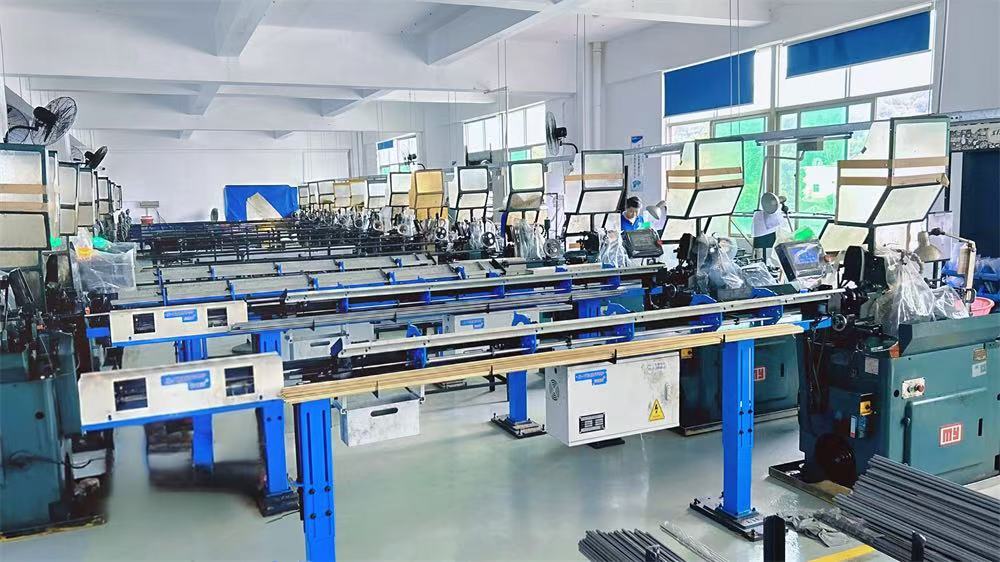
Yes, absolutely. Our high-precision CNC machinery and automatic lathe production lines can manufacture custom bolts, studs, anti-rattle latches, and custom specialized fittings in grades including titanium, silicon bronze, SS316, and high-strength alloy steels. You can submit your CAD files or engineering drafts via our inquiry portal.
Get in touch with VLC's engineering sales team to request competitive pricing, material certificates, and custom ocean-freight delivery options to Tarawa.
Send Inquiry Now VLC Part