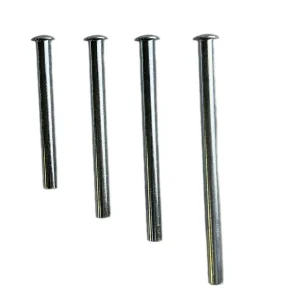
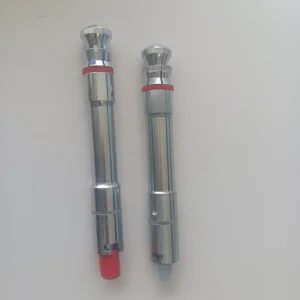
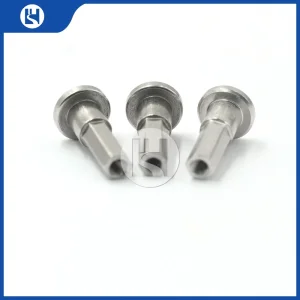
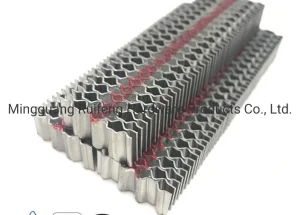
In modern micro-manufacturing, injection molding, automotive stamping, and automated assembly systems, the accuracy of mechanical alignment directly determines the rate of defect-free final output. Guide pins, also commonly categorized as dowel pins, leader pins, or positioning pins, function as the foundational hardware ensuring that multi-ton progressive dies, high-speed molding cavities, and sensitive electronic assemblies align with micron-level tolerances.
As global manufacturers shift towards smart factory integration and Industry 4.0 paradigms, the demands placed on positioning mechanisms have escalated. Guide pins must withstand high cyclic loads, intense frictional wear, and harsh thermal fluctuations without displaying elastic deformation or surface degradation. This level of physical demand requires precise metallurgy, standardized heat treatments, and sophisticated multi-axis grinding techniques.
Historically, localized Western manufacturing units dominated the precision component sector. However, the maturation of specialized supply hubs in China, supported by massive vertical integration, has created a global shift. Today, global supply chains leverage Chinese manufacturing capabilities to acquire high-grade alloy guide pins that balance structural longevity with competitive industrial pricing.
Providing standard tolerances of g6, h6, and m6 to ensure smooth, slide-fit operation without lateral play or radial backlash.
Utilizing ultra-hard materials such as Tool Steel (D2/SKD11), Tungsten Carbide, and high-performance Grade 5 Titanium alloys.
Extending life cycles through specialized coatings like Titanium Nitride (TiN), Diamond-Like Carbon (DLC), and hard chrome plating.
VLC stands as a premier bolts and screws manufacturer in China, showcasing a legacy built on technical expertise and manufacturing scale. Backed by approximately 20 years of experience in fastener production and custom tooling engineering, we operate a highly specialized facility capable of generating an annual output of 10,000 tons of bolts, studs, screws, hex structural bolts, and precision positioning components.
Our company path was established in 2006 when our factory leader launched our first privately owned business unit. With a clear vision to become the global client's first choice for fasteners and precision alignment pins in China, VLC has consistently invested in advanced hardware design, automated material processing, and stringent quality assurance.
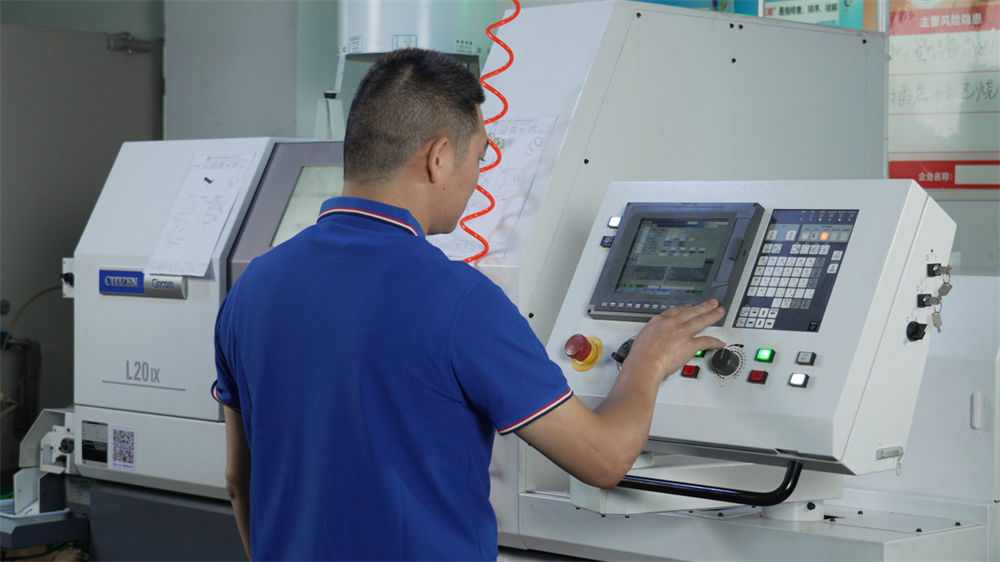
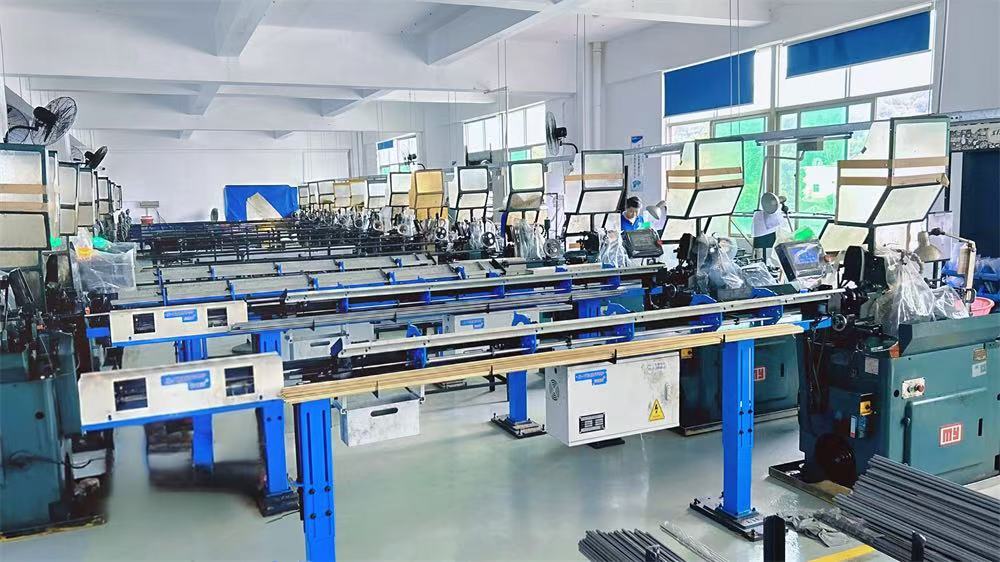
Our manufacturing capacity relies on modern machining lines. By integrating raw material drawing, cold heading, precision CNC lathing, centerless grinding, and localized heat treatment processes within a single facility, we eliminate supply chain bottlenecks. This integrated manufacturing model enables VLC to adapt design parameters quickly, offer shorter lead times, and maintain structural consistency across small-batch prototype runs and large-scale bulk orders.
Precision components require exact manufacturing environments. VLC's production floor utilizes dedicated machining technologies designed to process hard metals with high dimensional consistency. From standard automated operations to multi-axis CNC tasks, every stage is optimized for geometric accuracy.
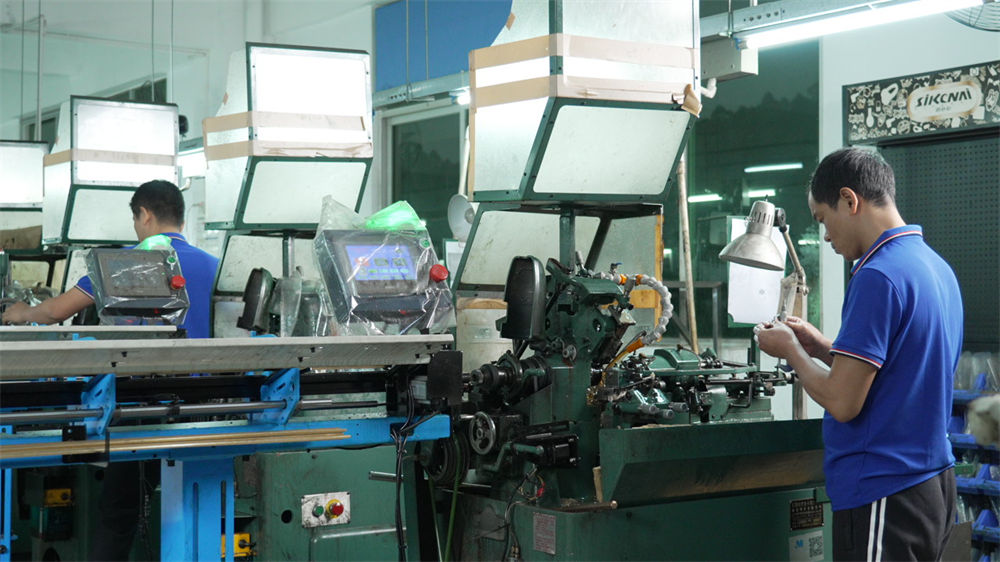
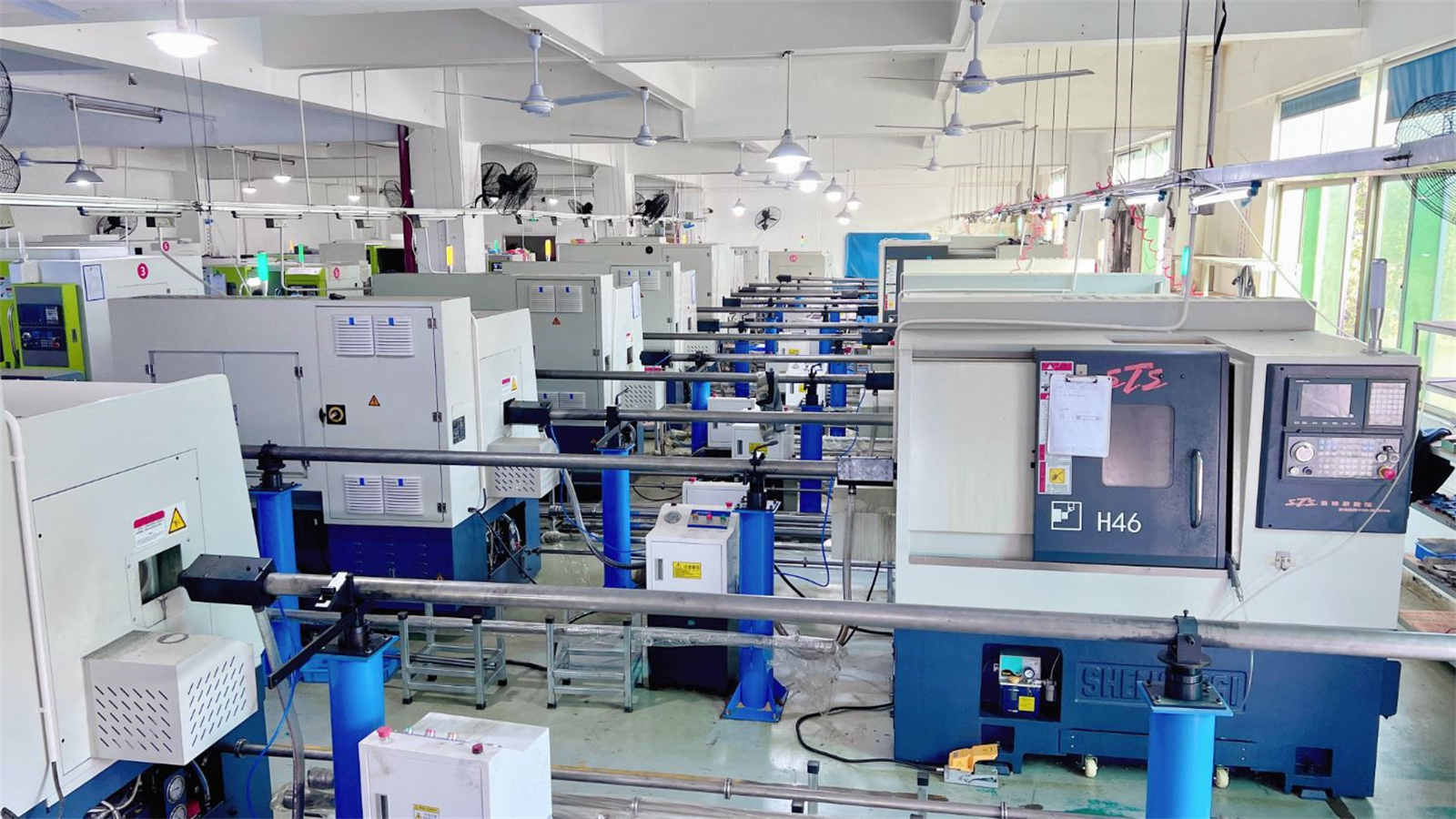
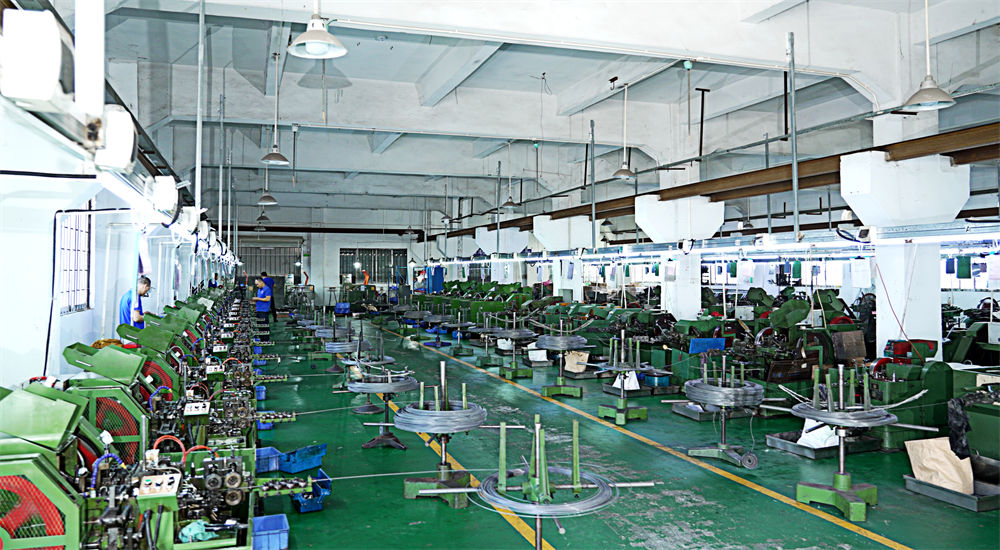
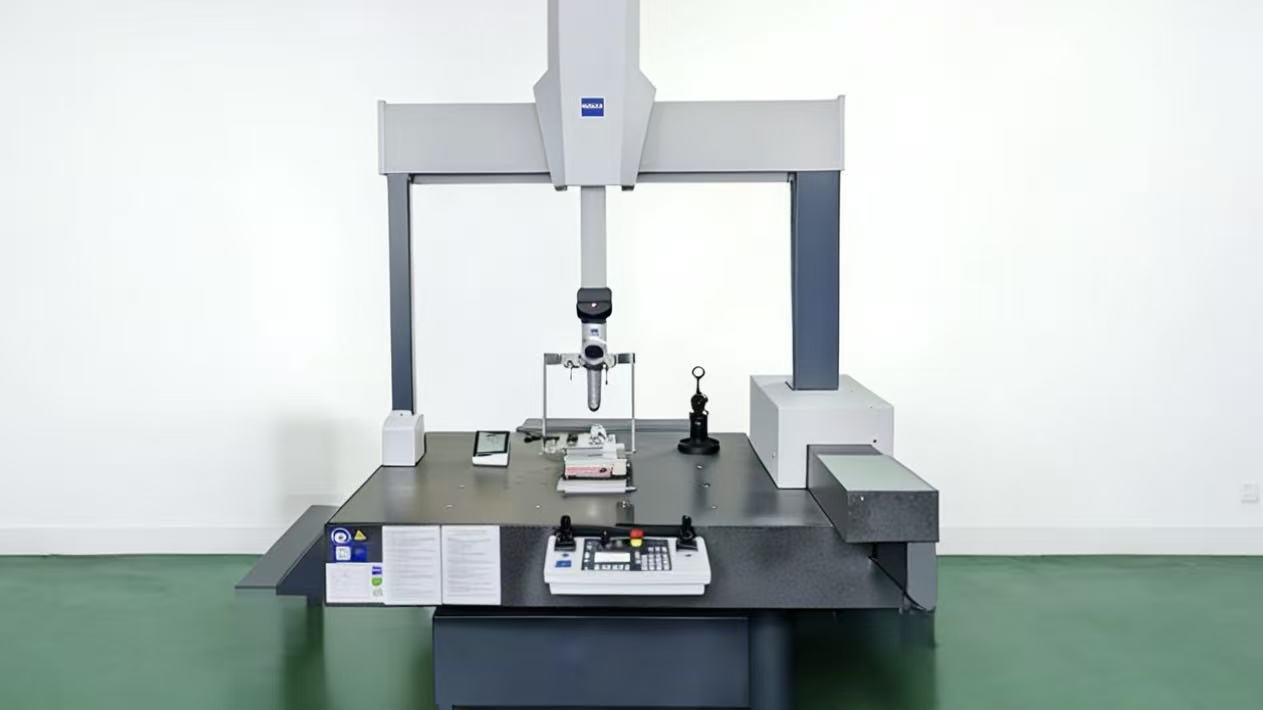
Our multi-stage centerless grinding process yields surface roughness down to Ra 0.2 μm. This low friction level prevents galling during high-speed mold openings, extending the service life of both guide pins and mating bushings.
Guide pins are utilized across multiple industries, each requiring specific design configurations and environmental tolerances. Understanding these localized application scenarios helps guide structural specification and material selection:
Heavy-duty sheet metal stamping requires guide components with high shock absorption and shear resistance. Our hardened carbon steel and alloy variants maintain die alignment under multi-ton hydraulic loads.
In micro-packaging and chip potting systems, thermal stability is critical. We supply guide pins made of low-expansion tungsten carbide and corrosion-resistant titanium, ensuring sub-micron alignment across thermal cycles.
For flight control systems and hull structures, components must resist saline corrosion and high stress. Grade 5 titanium alloy fasteners and marine-grade aluminum options provide high strength-to-weight ratios.
By matching materials to application demands, VLC ensures our components perform reliably under specific operational stressors. This targeted engineering approach helps prevent premature part failure, reducing unscheduled manufacturing downtime.
Global sourcing patterns for industrial hardware have evolved past simple price-per-unit metrics. Modern procurement teams evaluate manufacturers using comprehensive indicators like raw material traceability, ESG compliance, digital workflow integration, and logistics resilience.
An emerging trend is the demand for Smart Alignment Systems. Some high-end tooling setups integrate RFID chips or laser-etched matrix codes directly into the guide pin head. This allows real-time cycle tracking, helping maintenance teams monitor wear and schedule replacements proactively before failure occurs.
Furthermore, environmental mandates like RoHS and REACH have made non-hazardous surface treatments essential. VLC remains aligned with these standards by utilizing zinc-nickel plating, trivalent passivation, and advanced PVD coatings, ensuring our products comply with environmental regulations in European and North American markets.
To assist global procurement managers and tooling designers in making informed sourcing decisions, our engineering team has compiled answers to frequently asked technical and logistical questions.
 VLC Part