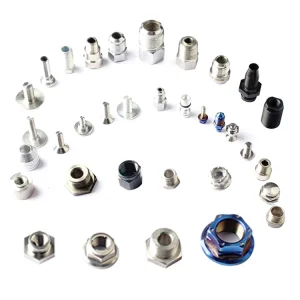
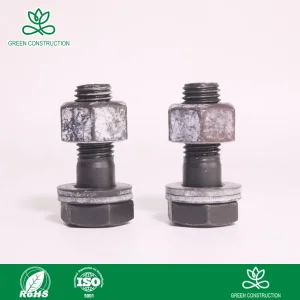
Explore our premium range of precision fasteners, engineered for aerospace, electronics, green energy construction, and high-tolerance mechanical structures.
A comprehensive engineering and macro-market whitepaper analyzing structural shear capabilities, assembly efficiency, and procurement optimizations.
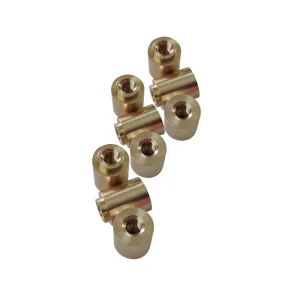
Compression rivets (also known as speed rivets or tubular compression fasteners) represent a monumental shift in manufacturing. Unlike traditional threaded fasteners that depend on torque and thread friction to lock, compression rivets utilize permanent mechanical deformation to achieve precise, unyielding clamp forces. This removes the risk of vibration-induced loosening, making them indispensable in automotive chassis, aerospace structures, and high-frequency electronic enclosures.
By pairing a solid rivet shank with a precisely bored receiving cap, compression rivets allow engineers to join brittle materials (such as PCB boards, composites, and plastics) without causing localized fracturing. The distribution of radial expansion is controlled, safeguarding delicate structural layers while providing a flush, double-sided aesthetic finish.
As a leading bolt and fastener manufacturer, VLC has spearheaded advanced fastener technologies for nearly two decades. By engineering custom alloy coatings and thermal treatments, we enable critical industries to optimize assembly lines, cut down weights, and ensure structural longevity.
Navigating the evolution of lightweight materials, automated assembly lines, and environmental directives shaping the next decade of fastener technology.
Modern applications demand higher strength-to-weight ratios. The integration of Titanium Grade 5, Aluminum 7075, and high-conductivity UNS C61300 Aluminum Bronze ensures that compression fasteners deliver optimal shear protection without penalizing payload capacities.
Manual riveting is rapidly giving way to automated blow-feed robotic systems. Standardizing dimensional tolerances to micro-levels (under ±0.01mm) prevents feed jams, ensuring high-frequency assembly operations run smoothly without interruption.
As carbon composite structures (such as 2.5D Needled CFC components) grow in popularity across aerospace and electric vehicle sectors, compression rivets serve as the crucial mechanical link, avoiding stress cracking in carbon matrices while preventing galvanic corrosion.
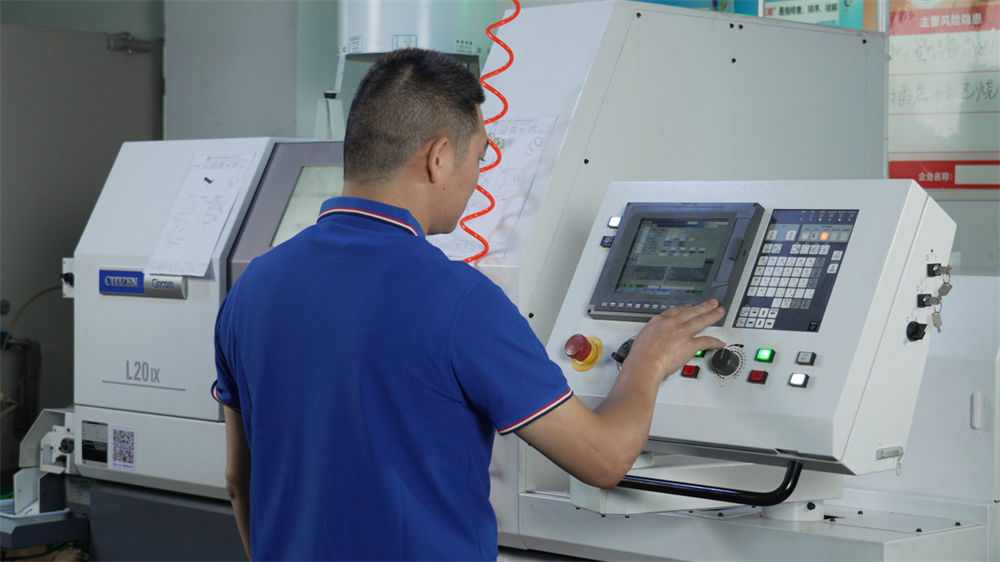
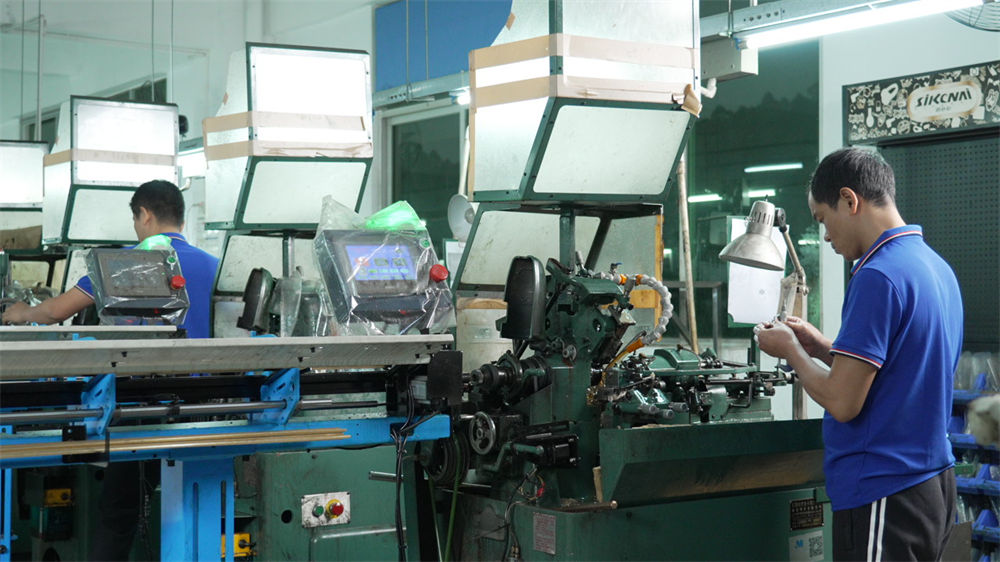
VLC leverages high-accuracy cold-heading, multi-axis CNC lathe turning, and automated screw machining to deliver parts with zero structural compromises.
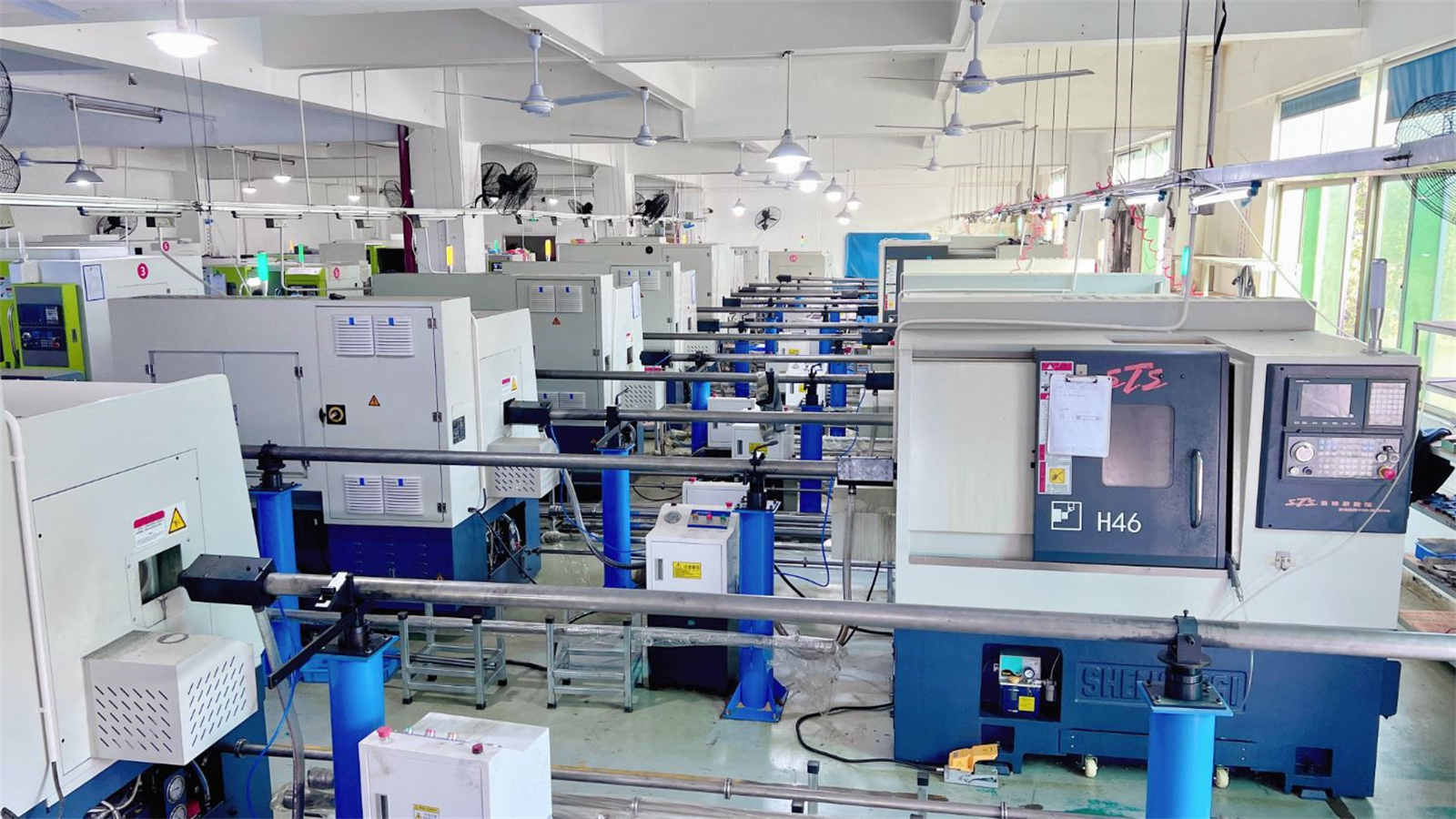
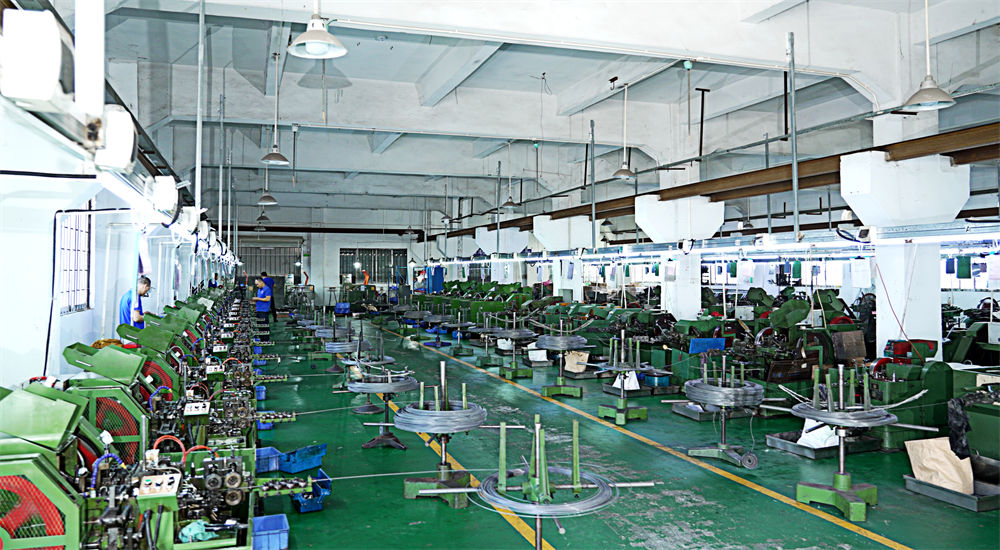
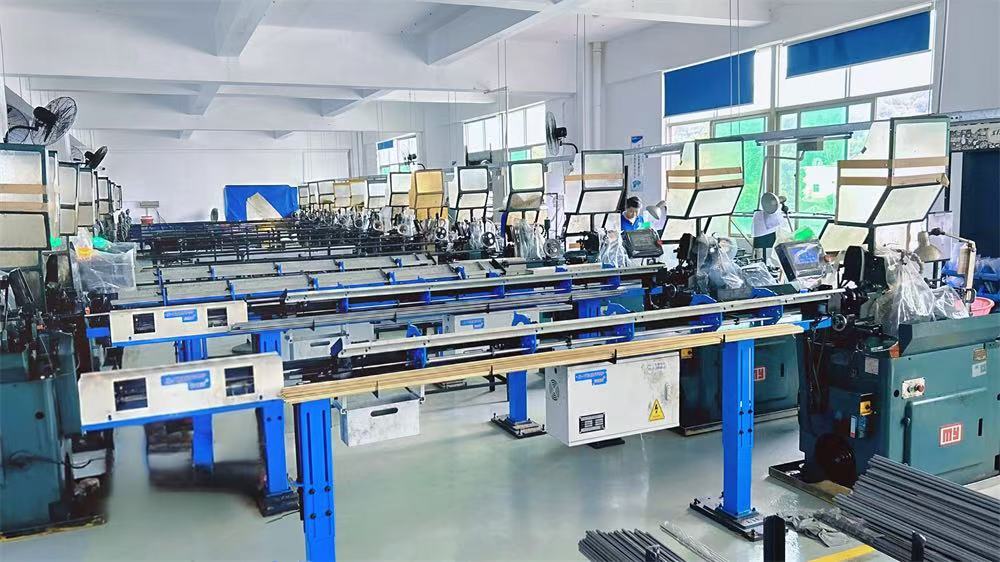
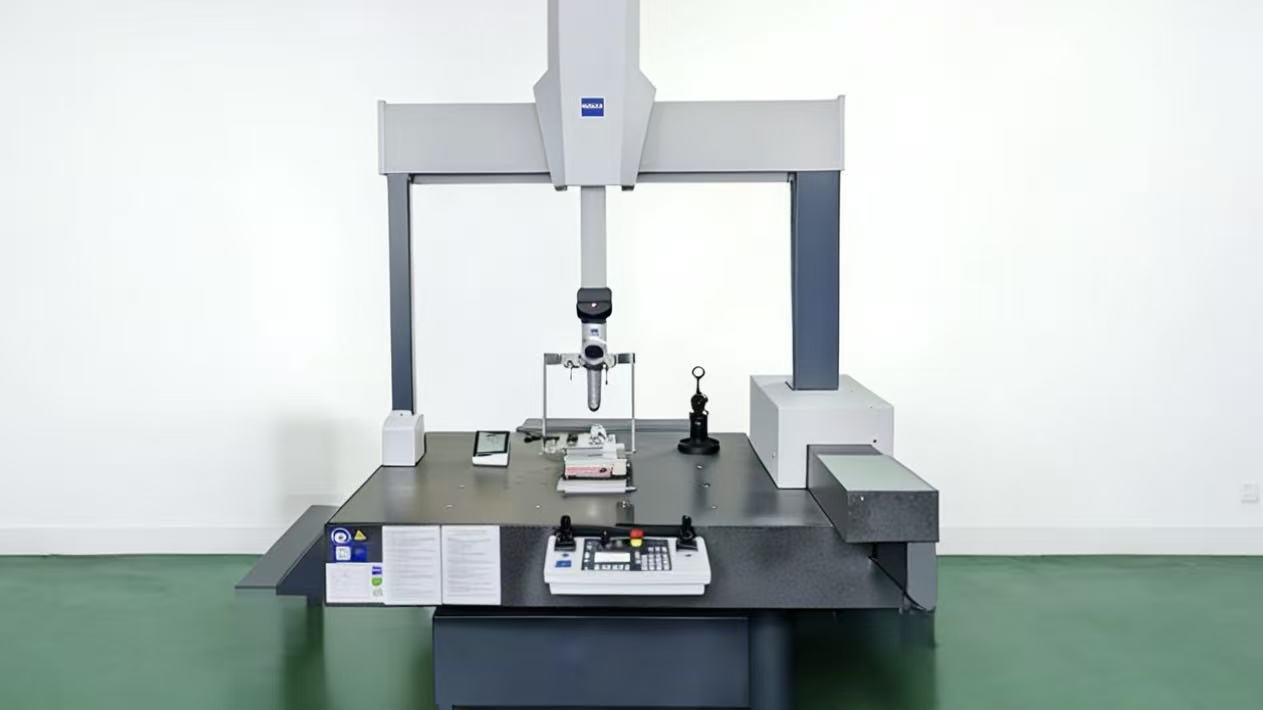
Charting our ongoing breakthroughs in ultra-precision metal forming, eco-friendly surface finishes, and smart-monitored fastener assemblies.
Deploying advanced Zinc-Nickel and trivalent chromium-free coatings to deliver over 1,000 hours of salt spray protection. Fully compliant with European REACH/RoHS requirements, keeping environmental impacts to a absolute minimum.
Responding to demands for lighter consumer hardware by scaling manufacturing of micro-threaded studs and small compression rivets down to M0.8 specs. Perfect for dense PCBs and compact smart devices.
Developing structural fasteners with embedded piezoelectric sensors. These monitor real-time clamp force and structural changes in high-load setups like wind turbines, steel bridges, and deep-sea platforms.
How we streamline complex international supply chains and deliver consistent quality certifications for Fortune 500 manufacturing partners.
We supply complete PPAP Level 3 documentation, Material Test Reports (MTRs), and full chemical analyses (under ASTM B169, ASTM B315, and GB820 standards) for traceabilities across all production runs.
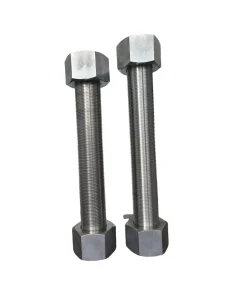
Our 20,000 sq. meter factory processes over 10,000 tons of hex bolts, studs, and custom compression rivets annually. We prevent costly line stoppages for global distributors by maintaining dynamic buffer stocks.
Our engineering team assists with component design, structural fatigue analysis, and alloy selections (including UNS C61300 and specialized Titanium structures) to ensure long-term reliability in high-shear, high-heat environments.
Clear, direct answers from our engineering and quality assurance teams covering mechanical properties, materials, and international standards.
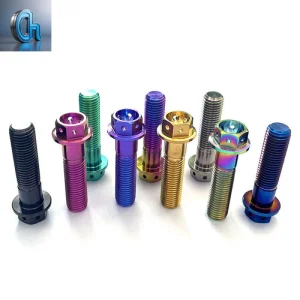
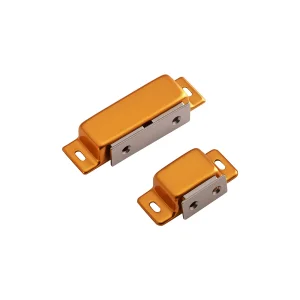
Browse our additional industrial-grade fastening options, built to deliver reliable performance across heavy-duty machinery, infrastructure, and electronic applications.
 VLC Part