?
Frequently Asked Questions
How to repair a conveyor belt?
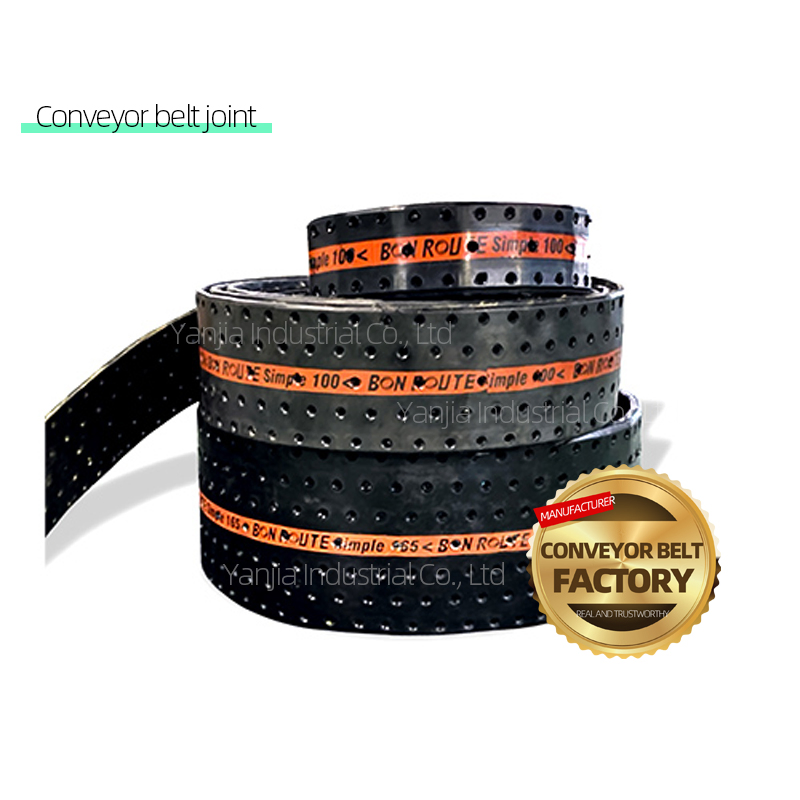
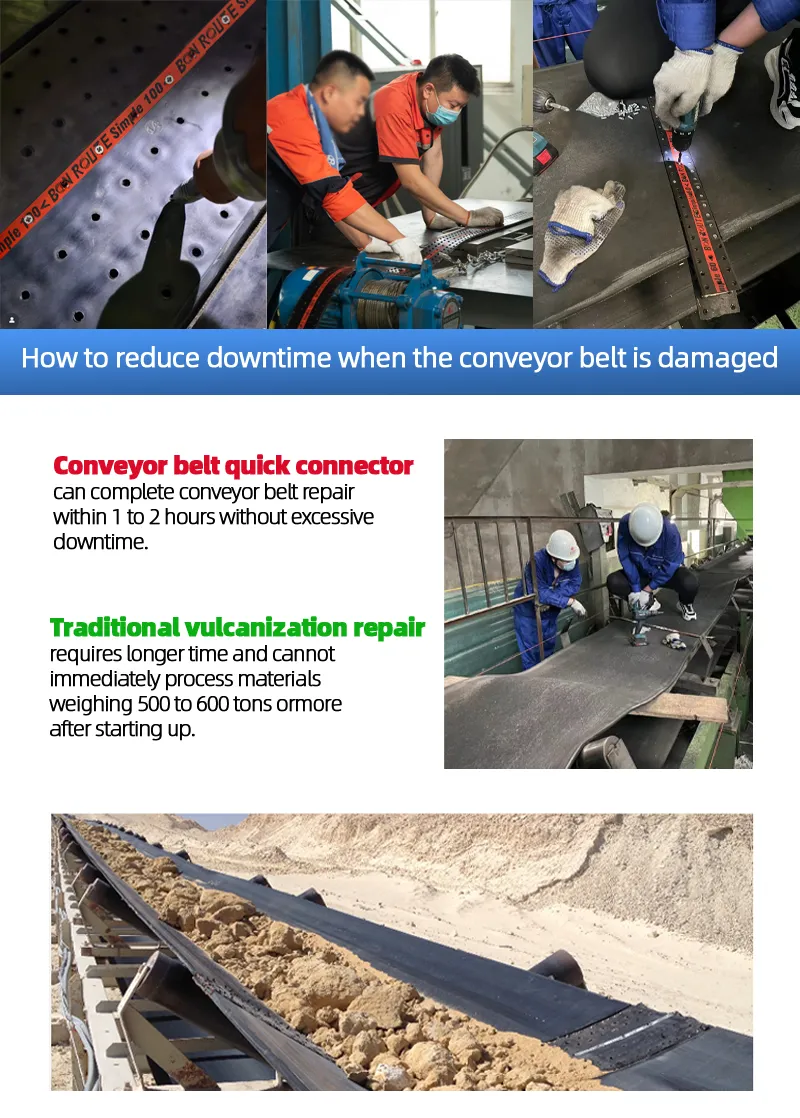
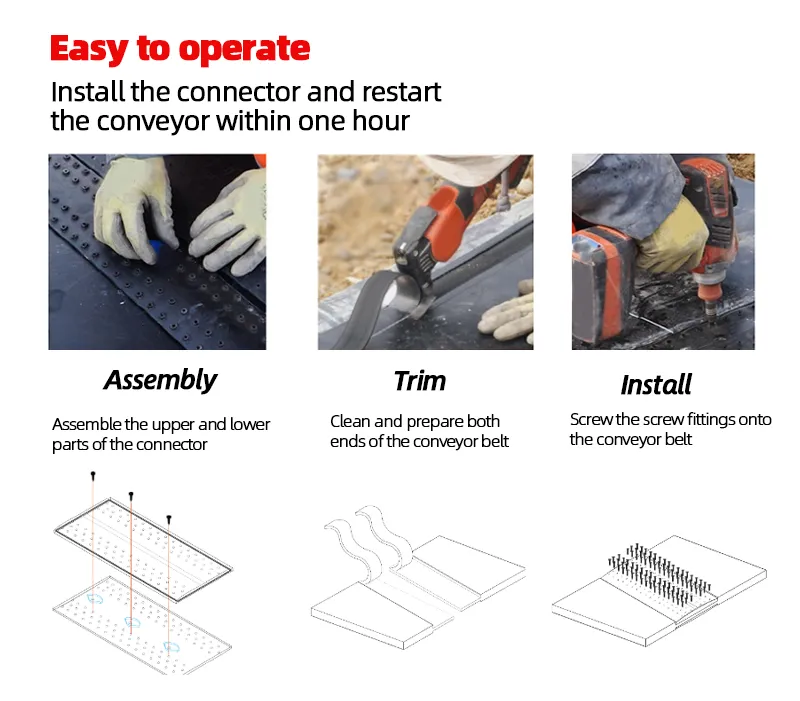
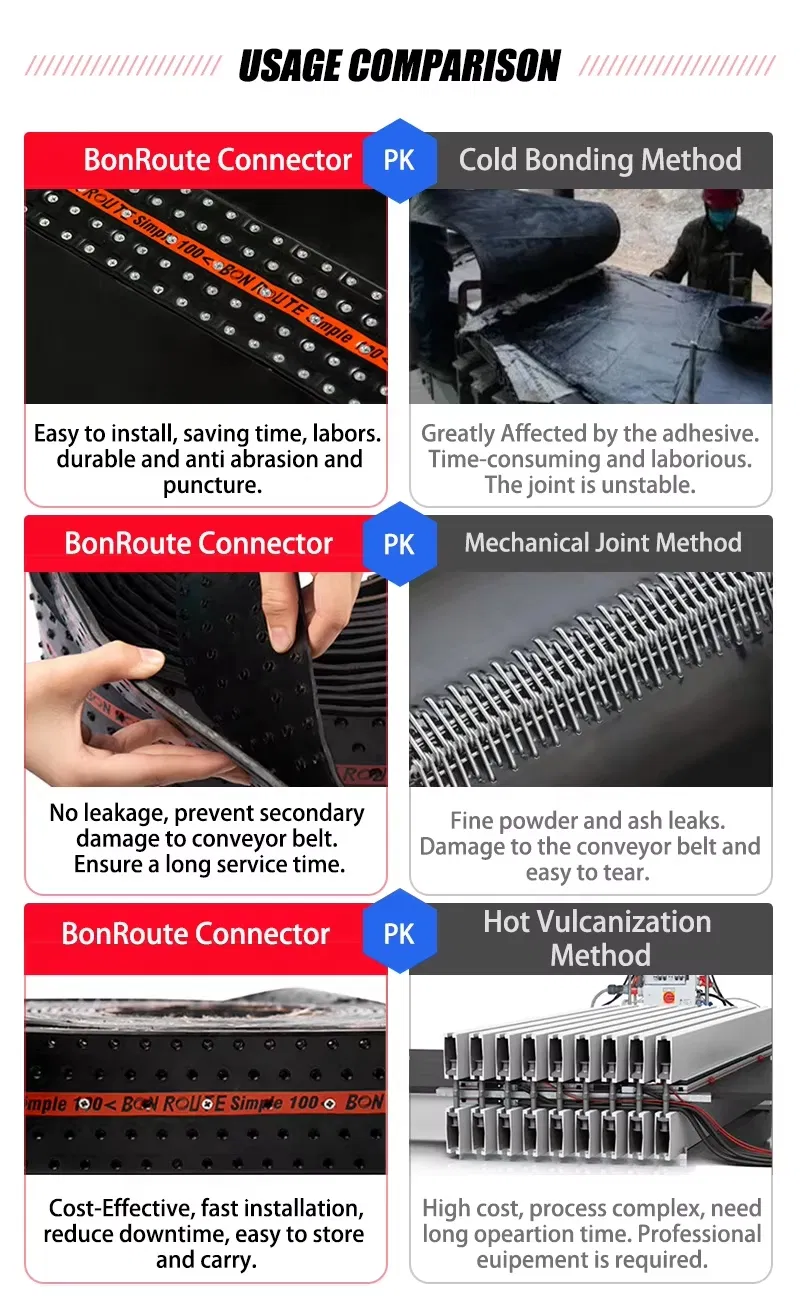
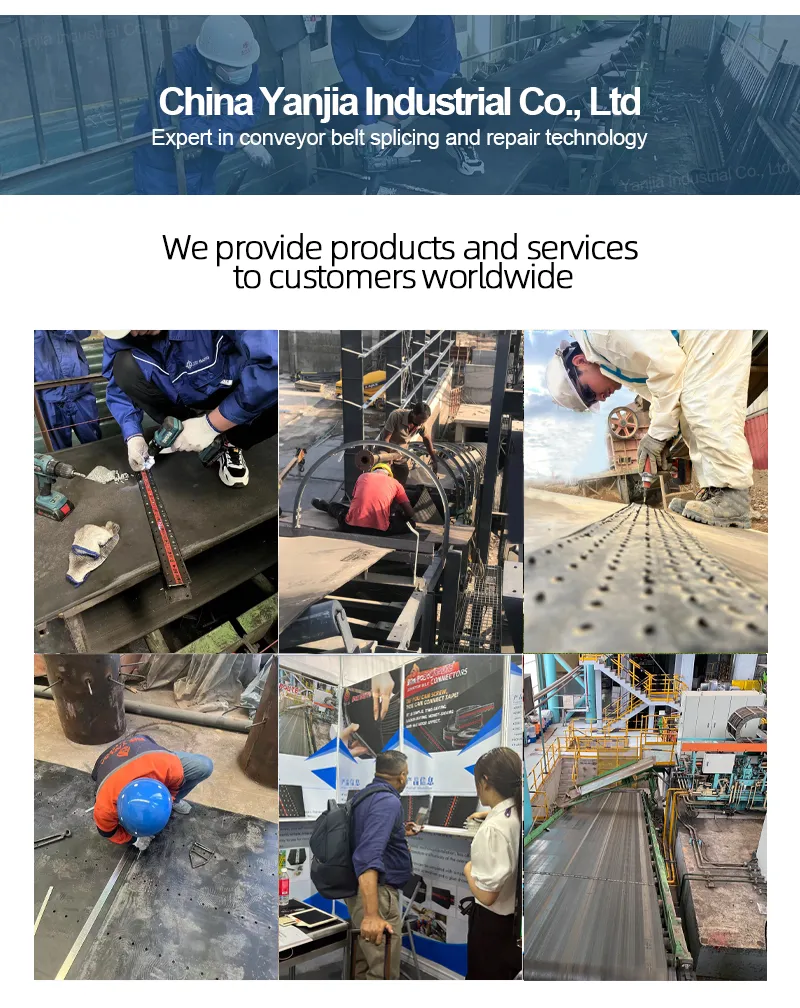
There are four primary methods: 1. Traditional vulcanization repair; 2. Using metal fasteners; 3. Cold adhesive repair; 4. Quick connector connection repair.
What are the advantages of quick connector repair technology?
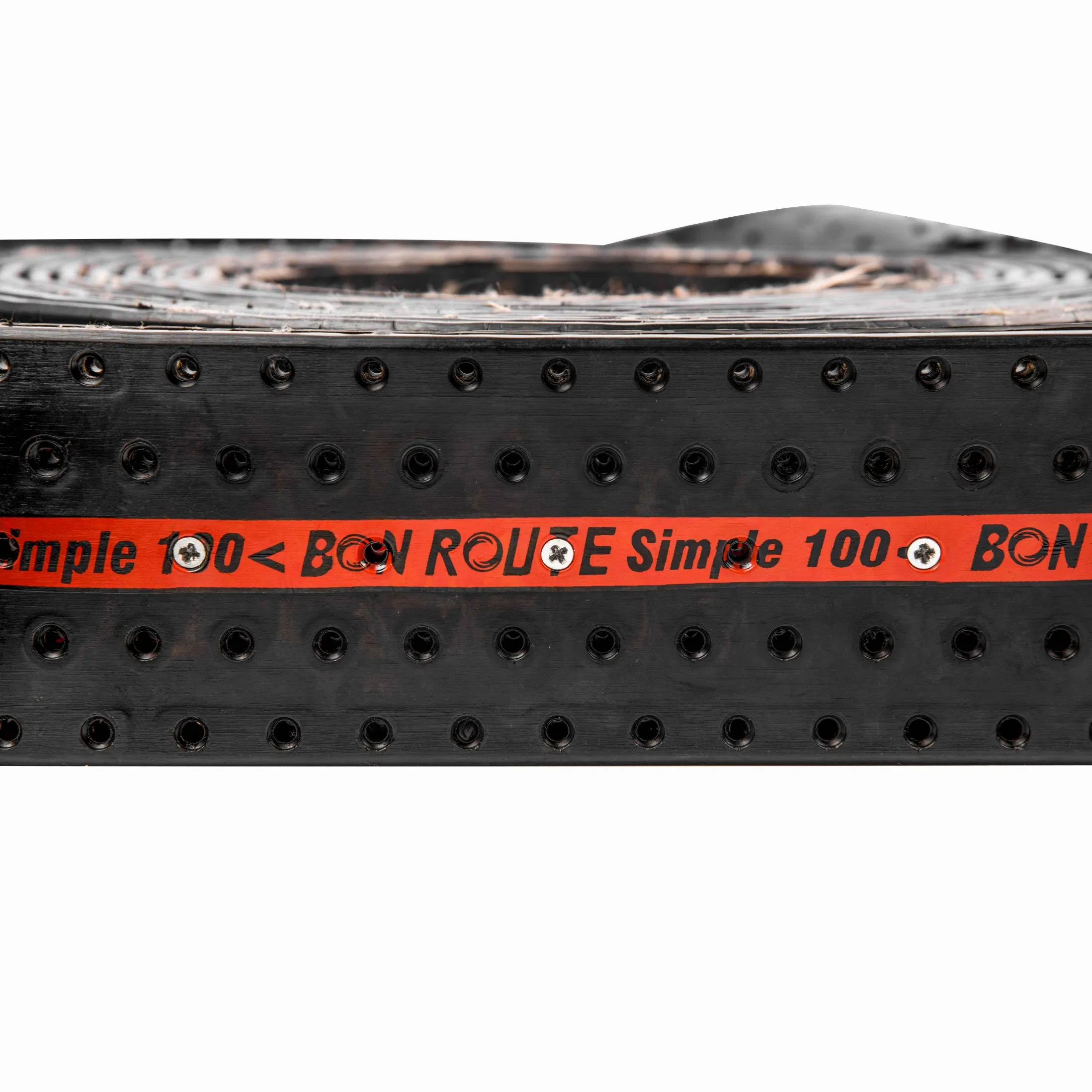
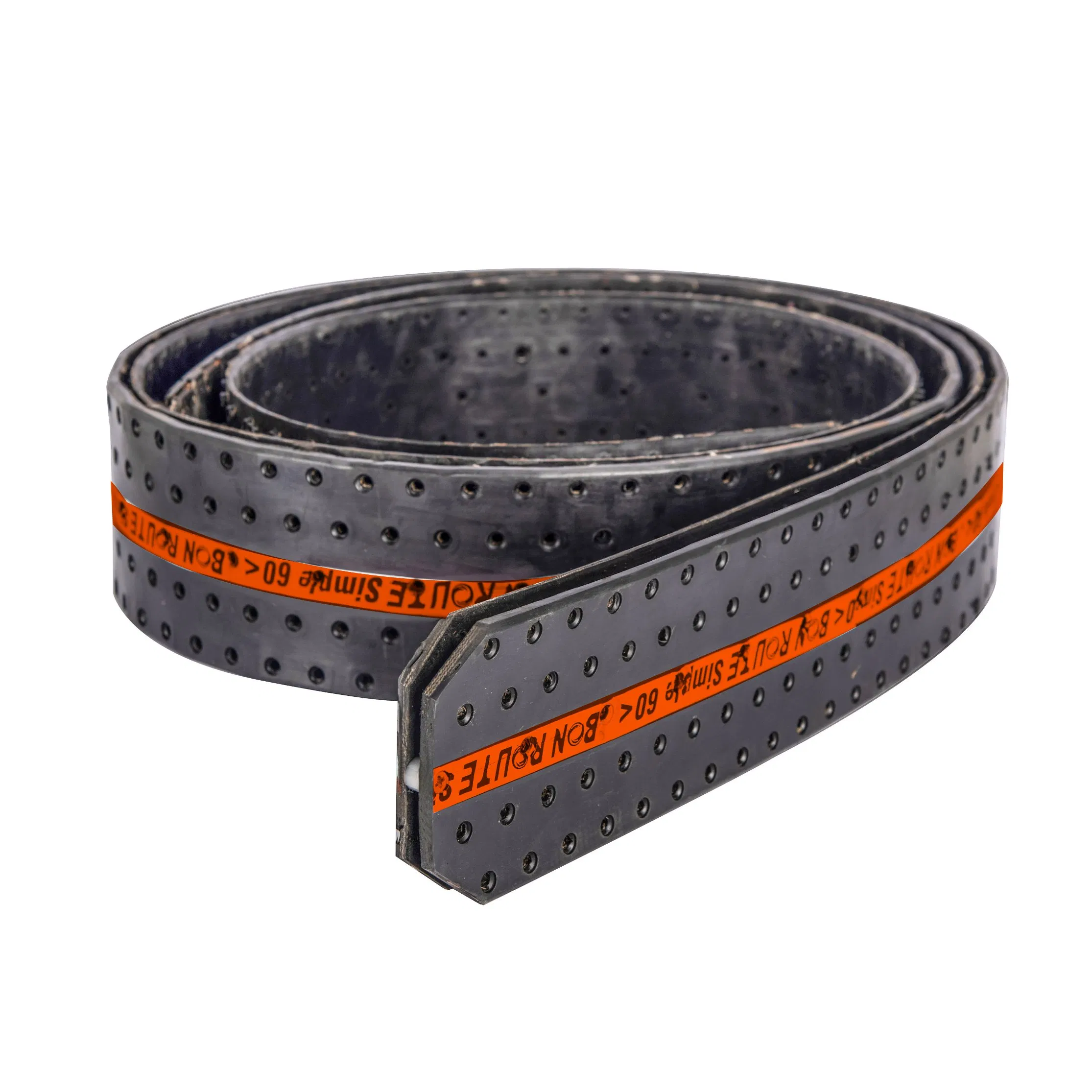
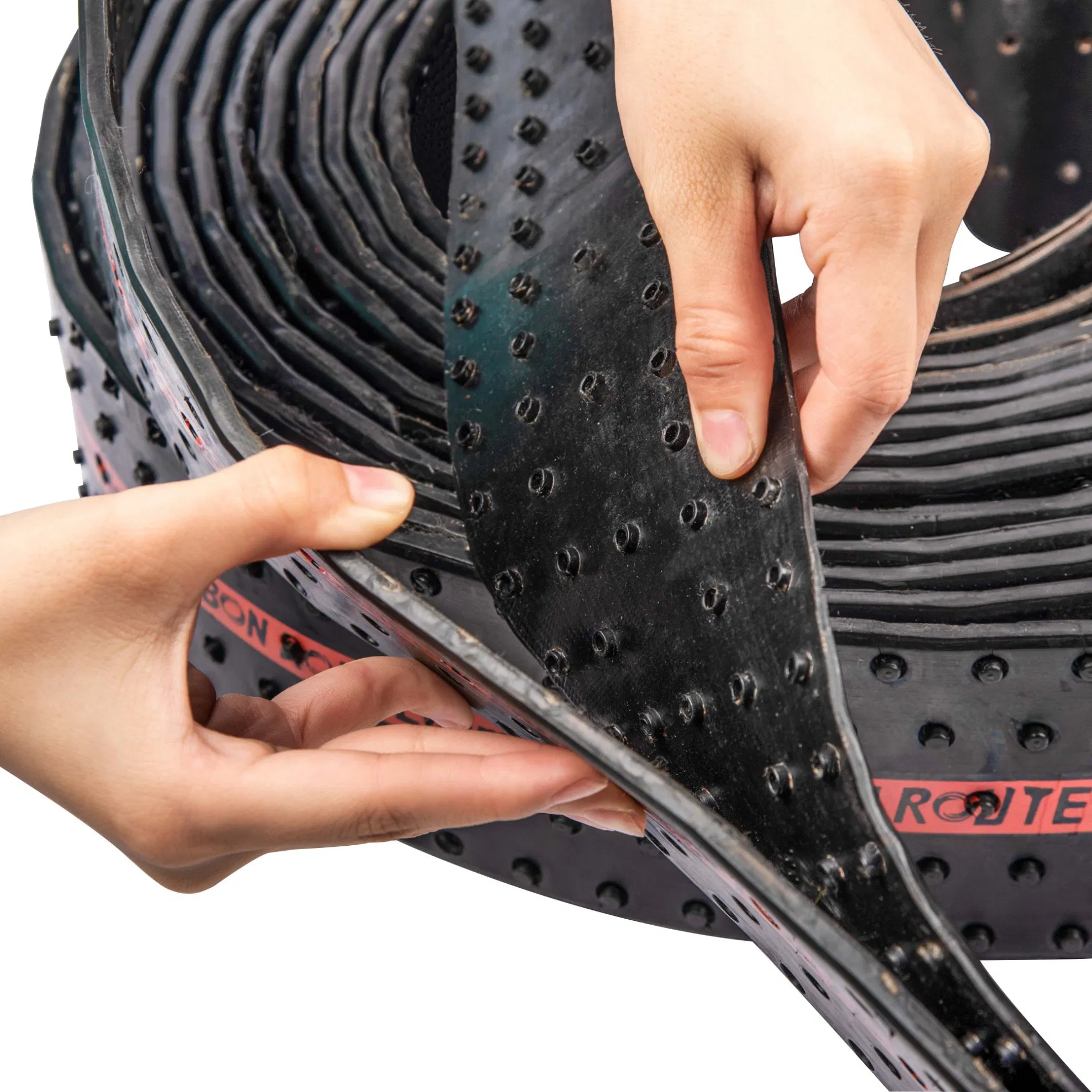
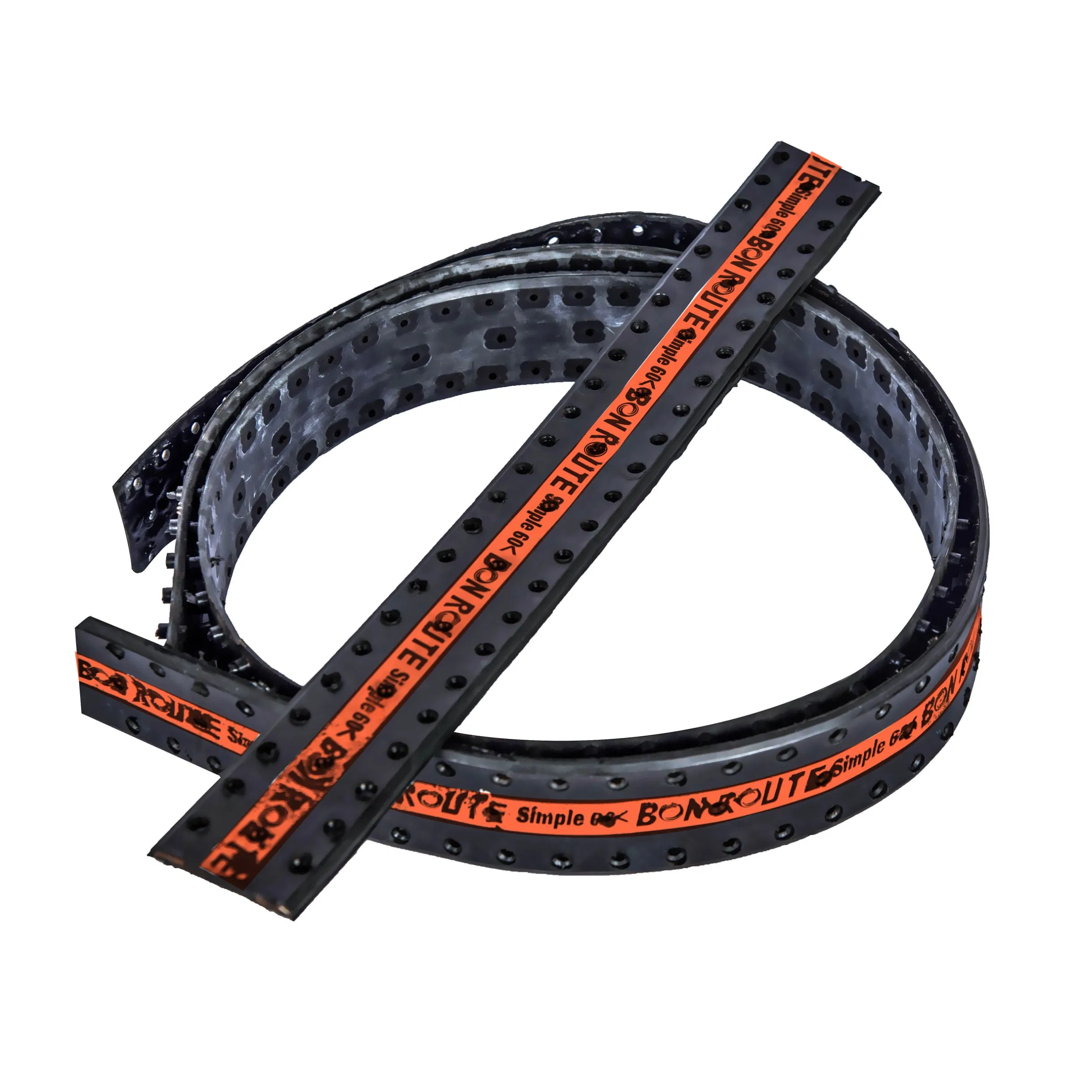
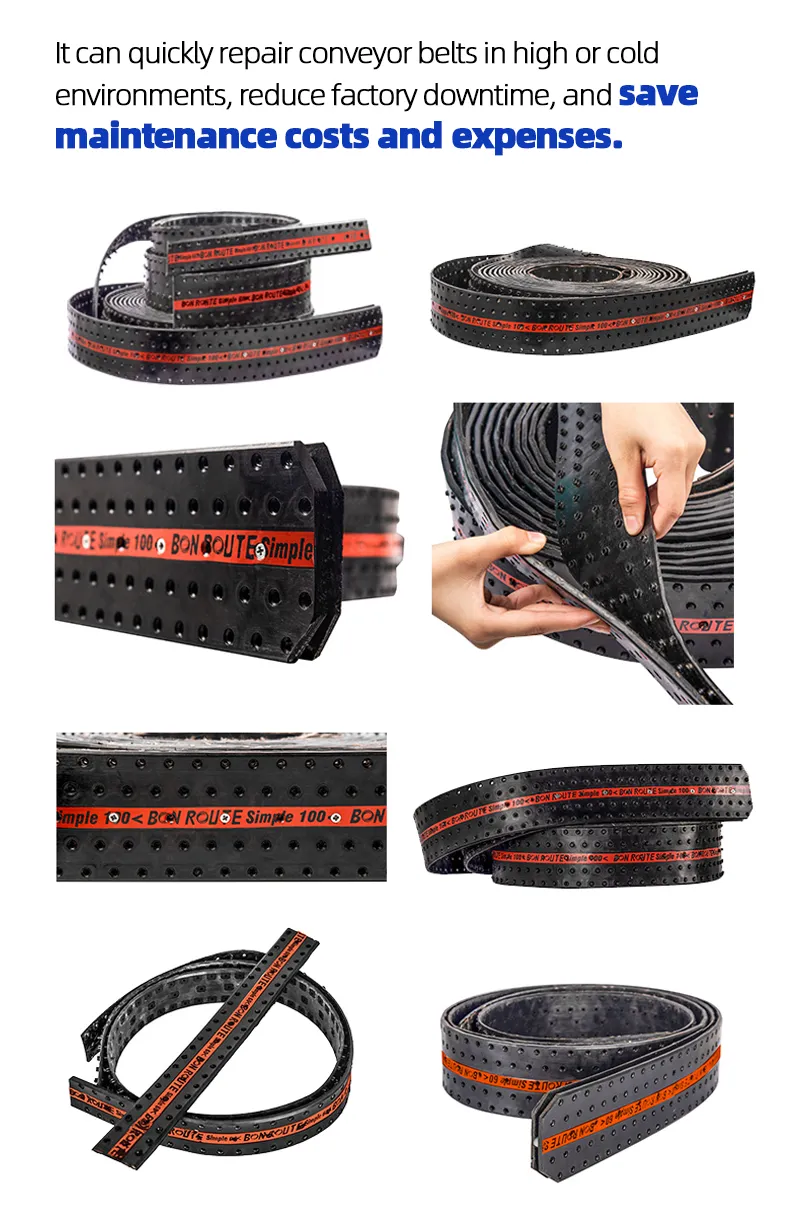
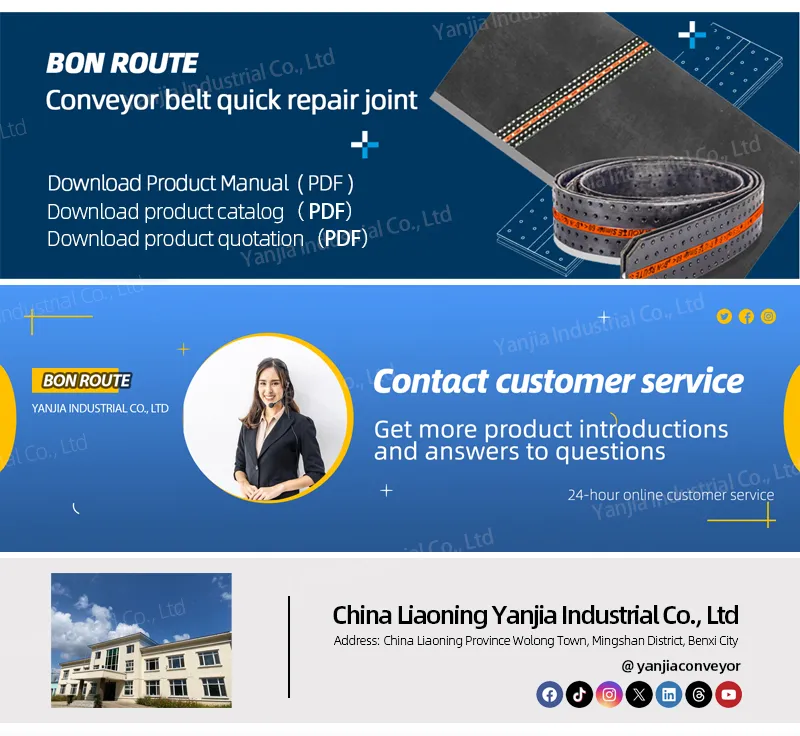
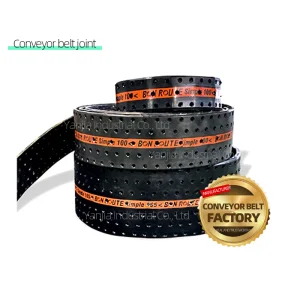
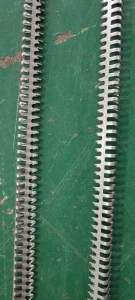
This solution offers low cost and short repair times, allowing for permanent repairs in one go. Made of reinforced rubber with high tensile strength, it ensures long-lasting performance while minimizing factory downtime and production interruptions.
What factors influence the cost of repairing a conveyor belt?
Costs are divided into Direct costs (repair type: vulcanization is durable but expensive; fasteners are cost-effective but shorter-lived; quick connectors are the modern balanced solution) and Indirect costs (operational downtime during maintenance).
What are the common types of conveyor belt damage?
Common issues include surface wear, longitudinal or transverse tearing, belt slippage due to misalignment, joint failure, edge damage from lateral loads, and thermal injuries or burns from high temperatures.
How do I choose the correct repair method?
The correct method depends on the specific type of damage, operating conditions (like temperature or magnetism), and budget constraints. Proper maintenance and timely intervention are crucial for maintaining efficiency.
Can these connectors handle harsh environments?
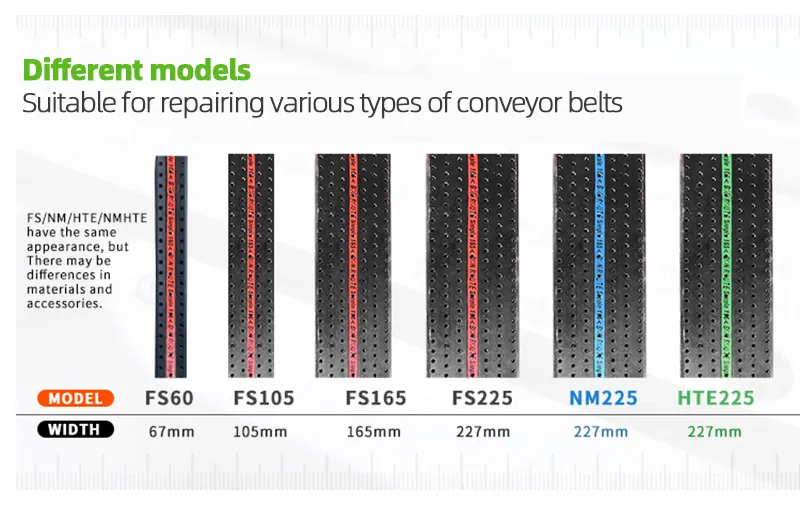
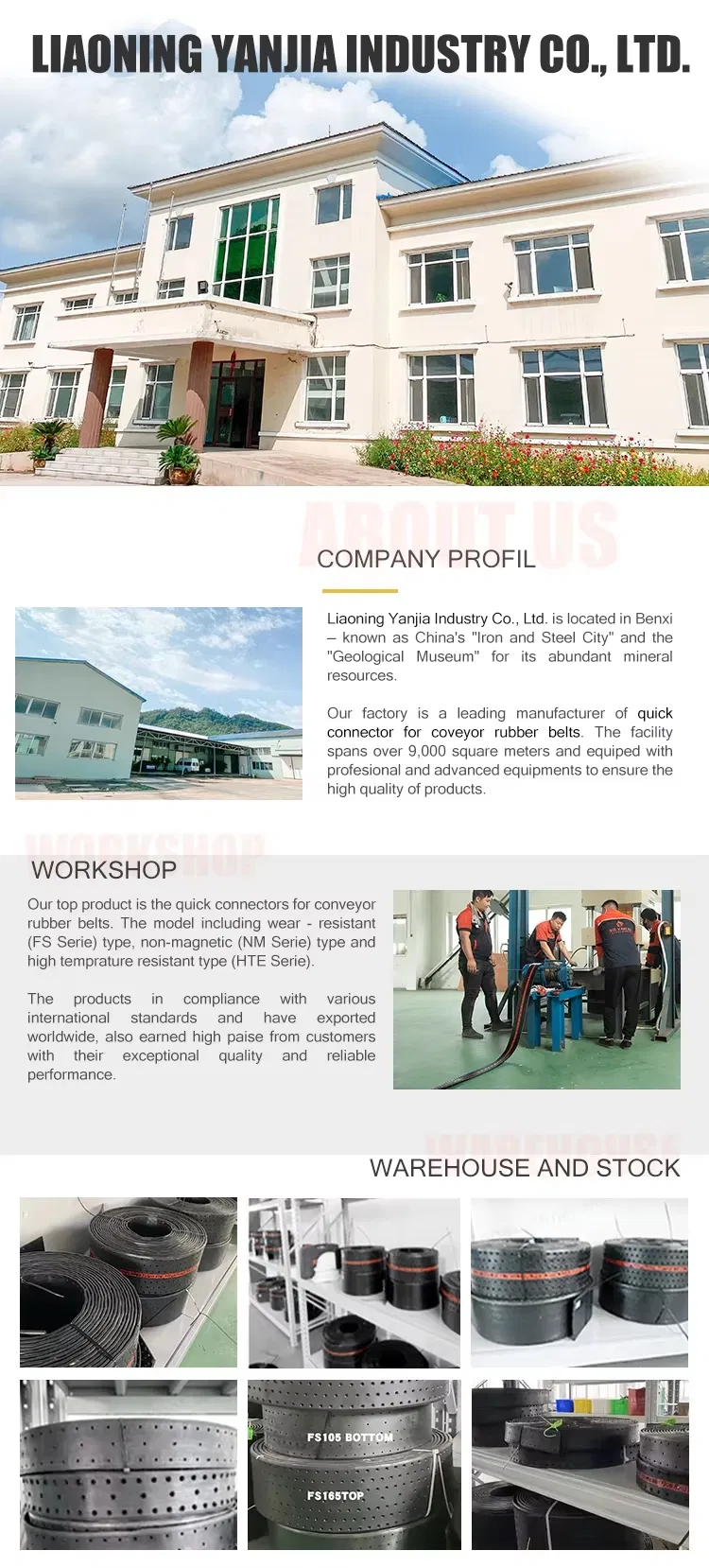
Yes, specifically designed models like the HTE (High Temperature Resistant) and NM (Anti Magnetic) models are built to provide reliable performance even in challenging industrial environments.
 VLC Part