Explore our elite collection of engineering-grade bolts, screws, and fasteners, built to comply with global testing criteria.
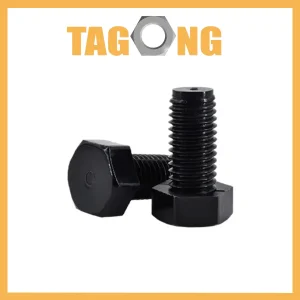
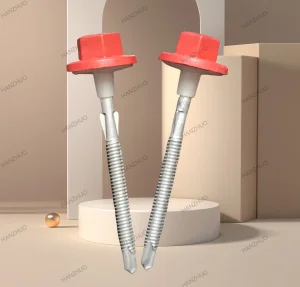
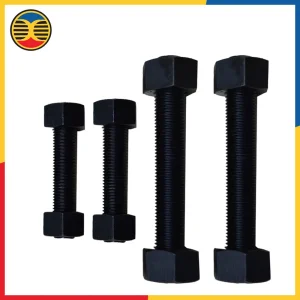
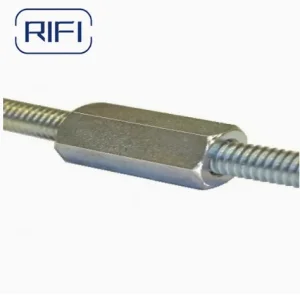
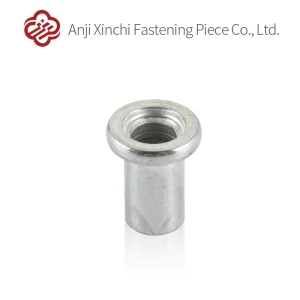
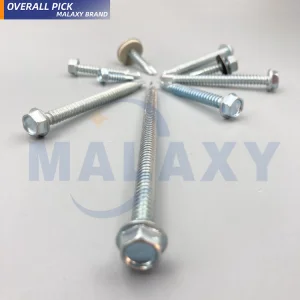
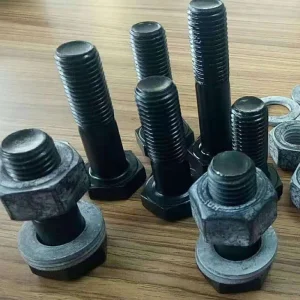
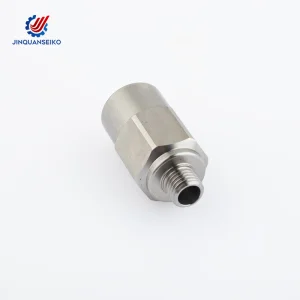
In heavy-duty industrial assembly, engineering reliability relies heavily on the performance of compression fasteners. These critical components transform dynamic torsional forces into clamping pressure, securing the structural integrity of machinery across automotive, aerospace, oil and gas, solar energy, and chemical infrastructure.
As global manufacturing shifts toward high-precision automated assembly lines, standard generic fastening solutions are no longer sufficient. Modern applications demand exact metallurgy, optimized thread profiles, and corrosion-resistant coatings. Purchasing teams must look beyond unit price, evaluating partners on material traceability, precision manufacturing capability, and long-term joint integrity. This white paper highlights how advanced production techniques and strategic sourcing can prevent joint failure, optimize production cycles, and reduce total cost of ownership (TCO) for international buyers.
Established in 2006, VLC has developed into a premier manufacturer of high-precision bolts, screws, and custom fastener hardware in China. Built on a foundation of engineering expertise, VLC combines modern metal-forming technology with strict quality control systems.
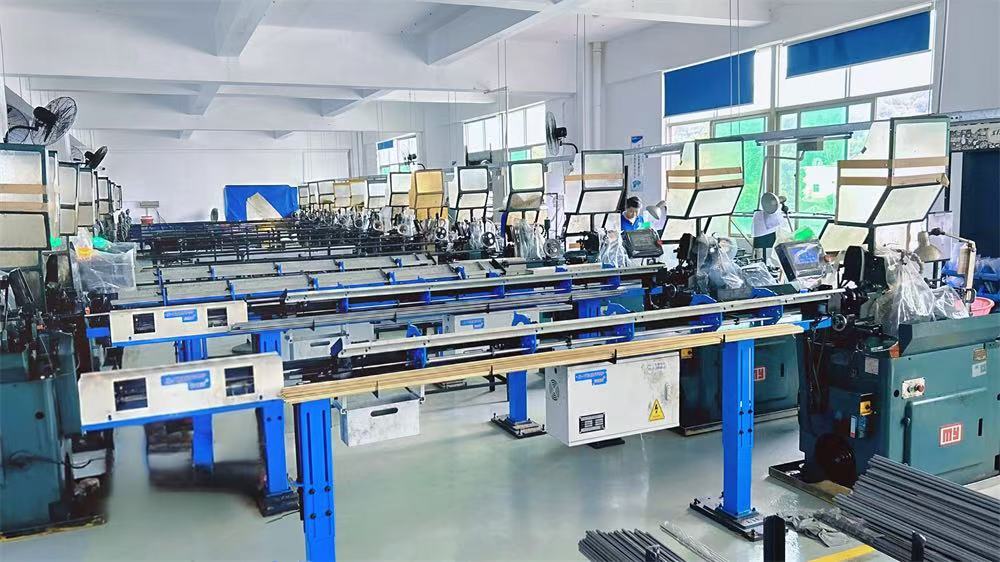
Our production facility generates an annual output of over 10,000 tons of bolts, studs, and custom screws. Specializing in high-strength carbon steel structural hex bolts, petrochemical-grade alloy studs, and custom non-standard CNC lathe components, VLC provides reliable performance under extreme mechanical loads.
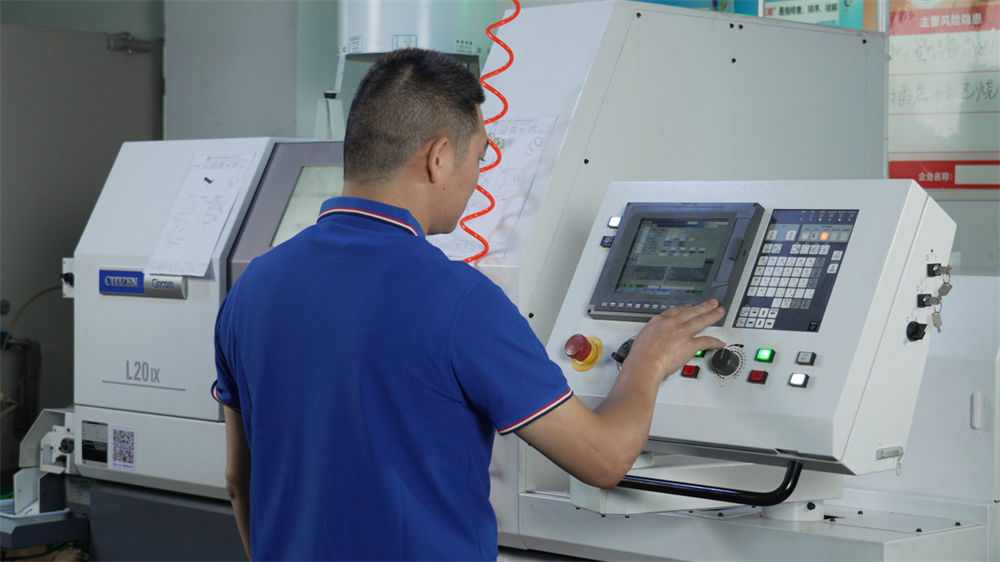
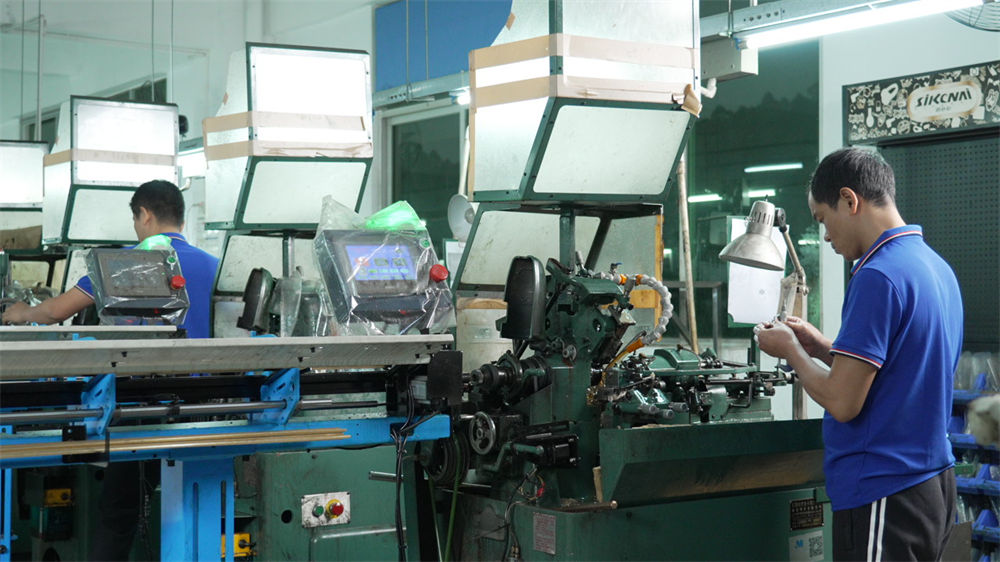
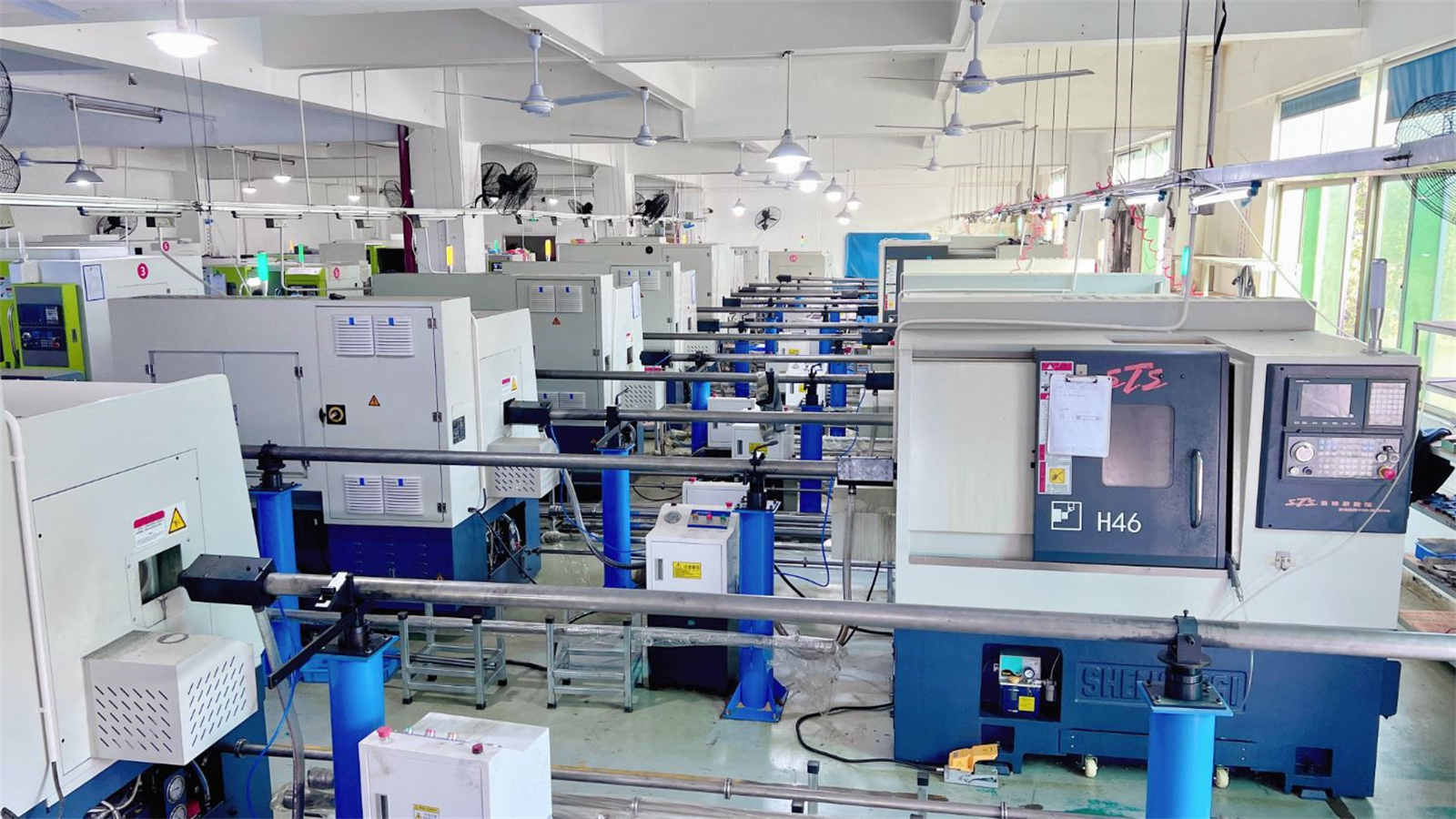
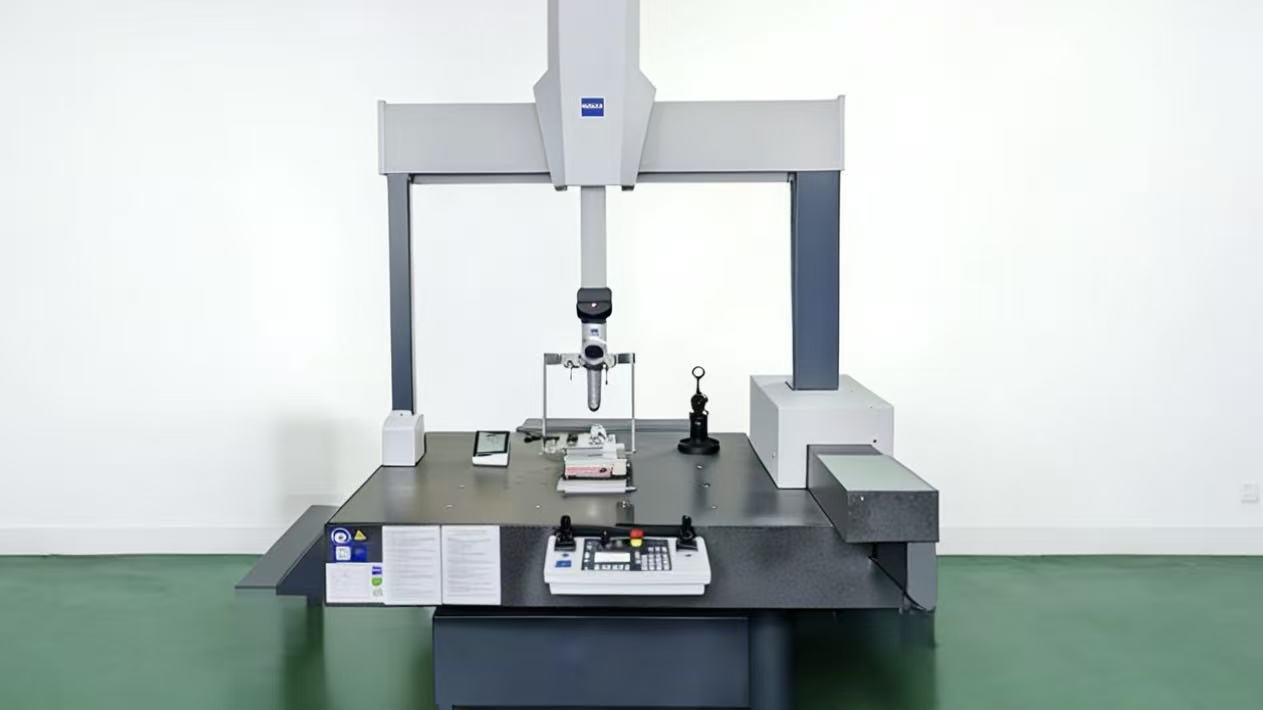
By implementing lean production frameworks and high-precision testing protocols, VLC ensures that every shipment meets key international quality standards (including ISO, DIN, ANSI, JIS, and BS). Over the past 20 years, we have transitioned from a localized workshop into a global industrial supplier, helping infrastructure project managers and procurement officers optimize their fastening systems.
A fastener’s performance depends on its material selection and manufacturing process. VLC utilizes cold heading, hot forging, and high-precision CNC machining to tailor mechanical performance to specific application requirements.
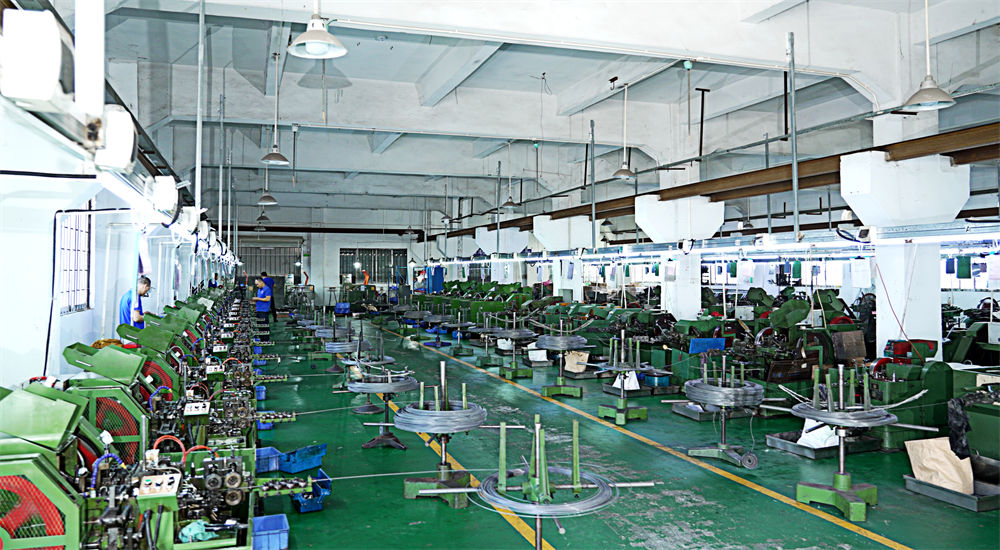
We work with a wide range of industrial materials, selected to match the operating environment of the final application:
The industrial fastening sector is evolving rapidly, driven by two key trends: the integration of smart systems and the development of advanced protective coatings.
Advanced Surface Treatments: To extend service life in harsh environments, fasteners now use specialized multi-layer coatings. Beyond traditional hot-dip galvanizing, electro-zinc, and yellow chromate plating, modern applications benefit from zinc-flake coatings, Teflon (PTFE) finishes, and chemical passivation. These advanced barrier layers help prevent galvanic corrosion and hydrogen embrittlement.
Automated and Smart Assembly: As assembly processes become more automated, there is growing demand for tight dimensional tolerances to prevent jamming in automated feed lines. VLC addresses this by manufacturing fasteners with high geometric precision, ensuring compatibility with automated systems.
Key considerations for international buyers managing large-scale fastener supply chains.
Inconsistent raw material batches can lead to premature thread stripping or structural failure. VLC ensures reliability through material verification, testing chemical composition, yield strength, and impact resistance for every production run.
With fluctuations in global shipping and material costs, on-time delivery is essential. VLC maintains strategic material reserves and runs automated logistics systems to ensure predictable lead times and reliable shipping schedules.
Exporters must comply with environmental and hazardous materials standards, including RoHS and REACH. Our manufacturing processes utilize non-hazardous finishes, supporting your corporate sustainability goals.
The reliability of a bolted joint depends on its initial preload—the tension created in the bolt when it is tightened. If the preload is too low, cyclic external loads can cause the joint to slip, leading to shear fatigue or loosening under vibration. If the preload is too high, the bolt may deform permanently or fail during installation.
VLC's engineering support helps clients calculate the correct torque-tension relationships for their projects, taking into account friction coefficients, thread pitch, and plating types. By optimizing joint design, buyers can improve performance safety margins without unnecessarily increasing fastener sizes.
VLC operates a quality assurance system to monitor performance metrics across all stages of production:
VLC is investing in new manufacturing technologies and capabilities to meet future industry demands:
Technical answers to common questions about industrial fasteners and global procurement.
Explore additional specialized components designed for challenging industrial and outdoor applications.
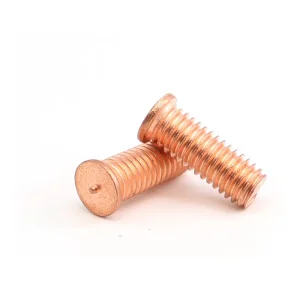
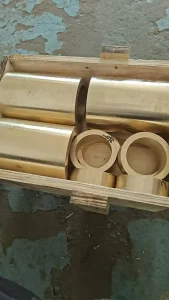
 VLC Part