Engineered to withstand high relative humidity, airborne saline particles, and rigorous chemical exposure typical of West African coastal installations.
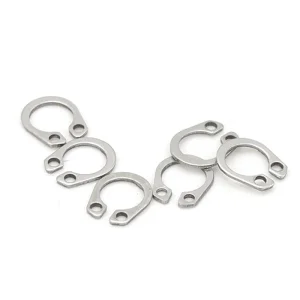
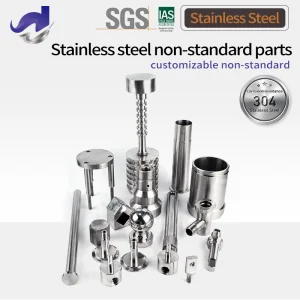
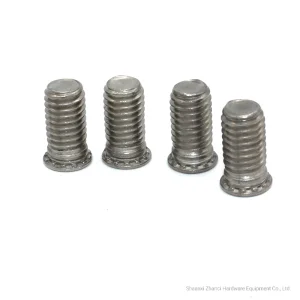
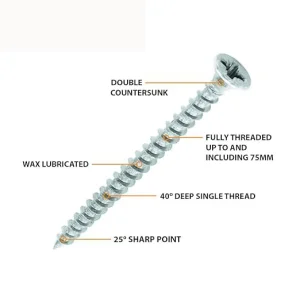
Equatorial Guinea, located in the heart of Central Africa's maritime zone, is one of the most critical hub markets for oil, gas, and maritime logistics. The nation is split geographically between its mainland region of Rio Muni (with the major economic hub of Bata) and the volcanic Bioko Island (home to the capital Malabo). The geographical dynamics of this region create a uniquely challenging atmosphere characterized by extremely high levels of relative humidity, consistent tropical rain, and persistent airborne salinity from the Gulf of Guinea.
Within this context, industrial infrastructure, including offshore drilling rigs, refinery pipelines, port crane structures, and coastal transport systems, requires fastening materials of the highest metallurgy. Conventional steel fasteners, even those protected by thin zinc coatings, succumb rapidly to galvanic and pitting corrosion in this climate. The consequence of structural failure in critical pipeline joints, mooring lines, or refinery valves goes far beyond maintenance costs; it poses severe environmental risks and operational downtime that can cost operators millions of dollars per day.
"Selecting high-performance alloys and premium-grade stainless steels is not a cost center; it is an essential insurance policy against systemic material failure under severe marine atmospheric conditions."
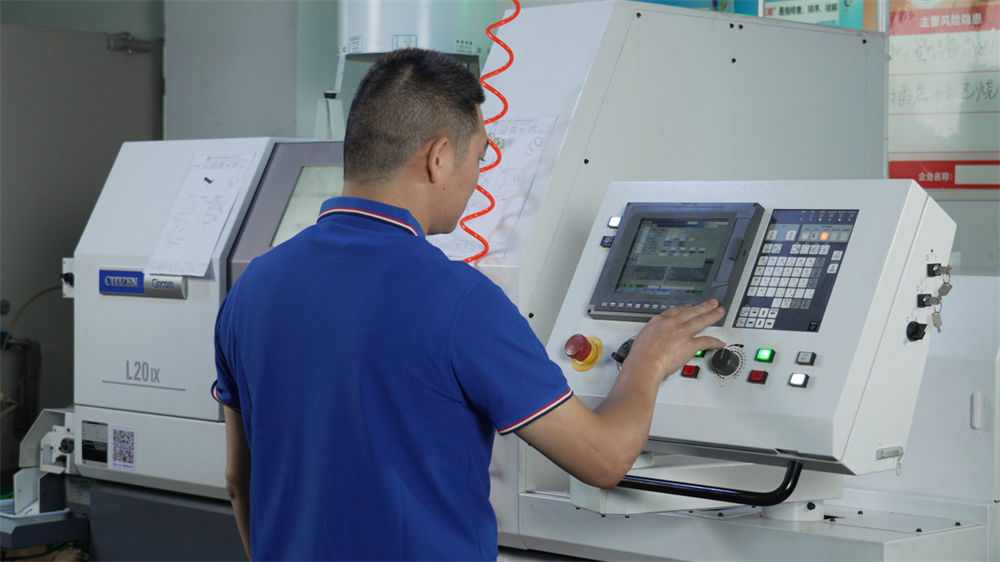
VLC China Manufacturing Center: Serving Global Industrial Demands Since 2006
Specially engineered for deepwater drilling setups, high-stress load bearings, and specialized petrochemical pipeline connections in the Malabo Luba Freeport Zone.
In the modern global supply chain landscape, procurement teams face a complex set of priorities. They must balancing mechanical integrity and fast lead times while ensuring cost-efficiency. This is especially true for oil operators in Equatorial Guinea, where parts must arrive in port systems on schedule to match drilling timelines. As a premier Chinese manufacturer with almost two decades of targeted development, VLC bridge the gap between heavy-duty engineering specifications and global supply chain realities.
Historically, generic Grade 304 and 316 stainless steels were considered sufficient for general industrial application. However, as deepwater exploration extends into high-pressure, high-temperature (HPHT) zones, the industry has transitioned to specialized high-nickel alloys and modified austenitic steels. These advanced products deliver elevated yield strengths and superior resistance to Stress Corrosion Cracking (SCC) and Hydrogen Embrittlement.
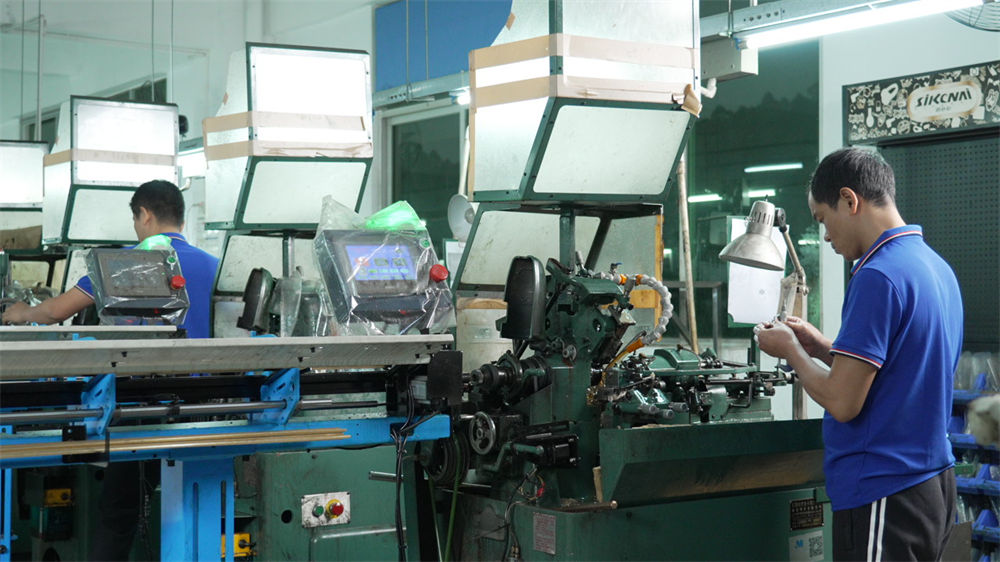
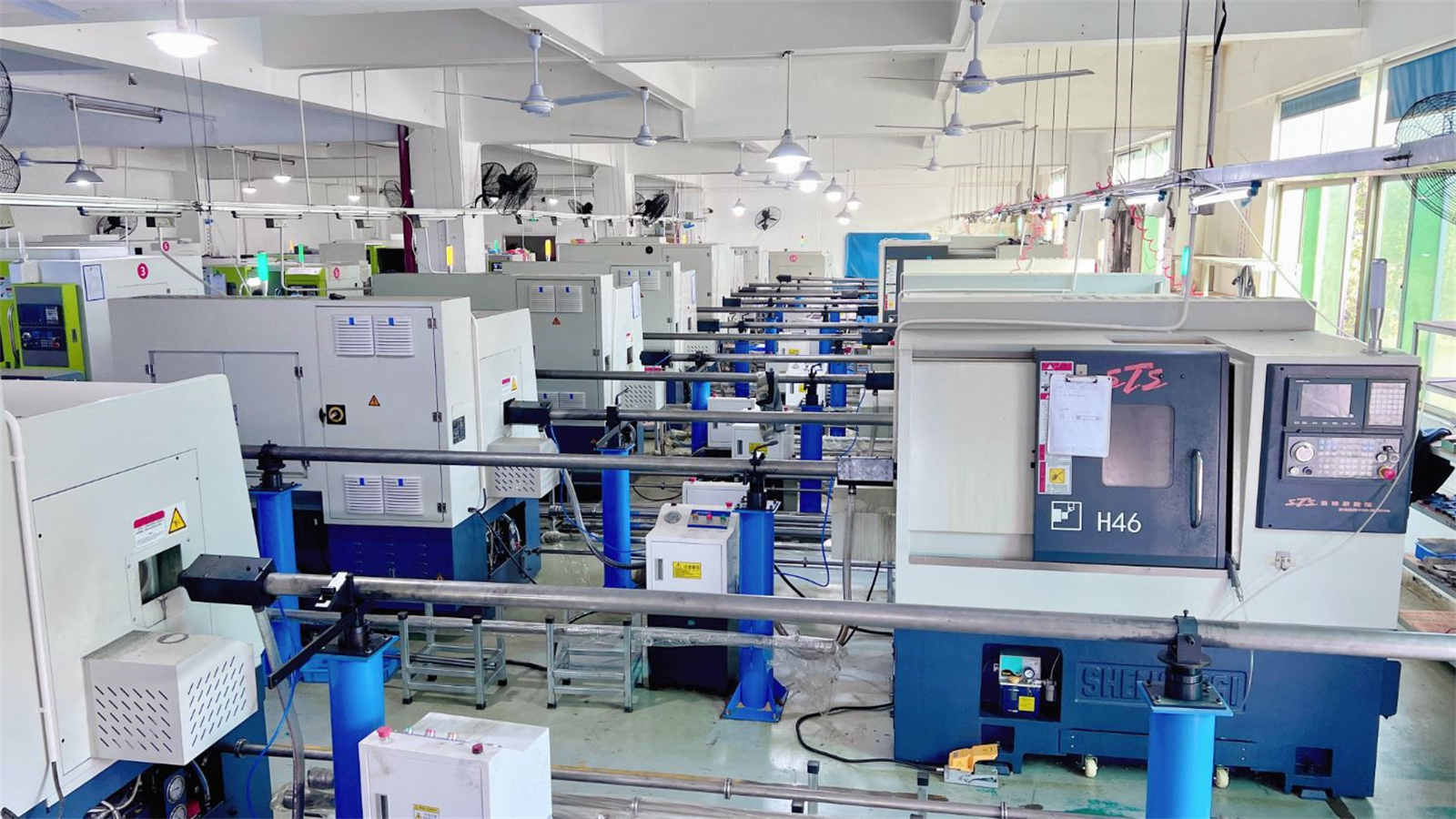
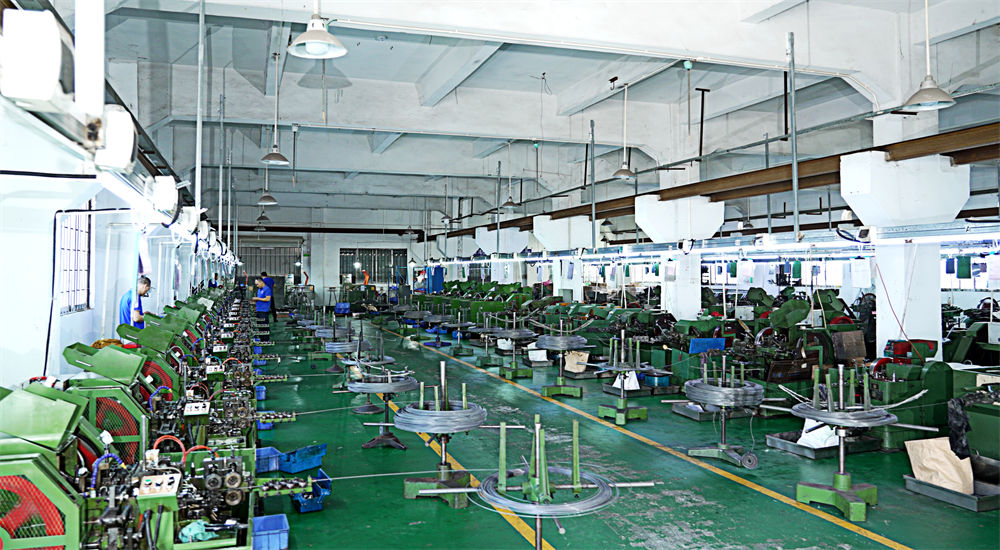
Operating a 10,000-ton annual output facility in China, VLC has mastered the economies of scale and strict precision manufacturing techniques that global clients require. While Western sourcing routes are often constrained by prolonged manufacturing timelines and steep overhead costs, VLC combines advanced cold-forging and multi-axis CNC machining centers to slash lead times by up to 45%.
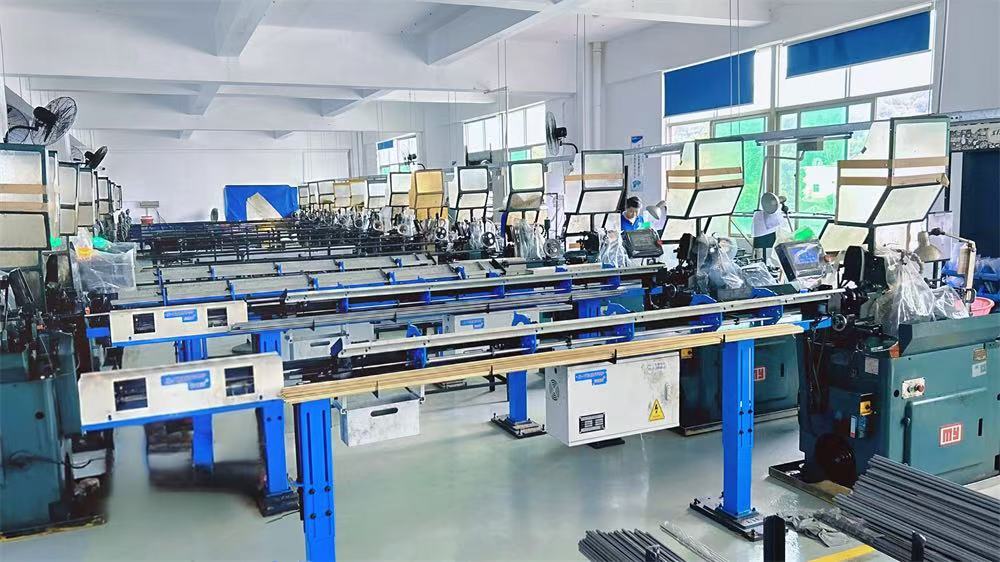
Choosing the right chemical composition is crucial for preventing galvanic corrosion, chloride stress-corrosion cracking, and localized pitting in tropical climates.
Grade 304 provides basic atmospheric resistance, while 316 contains 2-3% Molybdenum. This addition enhances its resistance to pitting and crevice corrosion in seawater and saline environments.
UNS S30430 (Grade 302HQ) features high copper content to minimize work hardening during cold forging. This alloy is ideal for producing complex fasteners without risking micro-fractures.
For extreme environments, Nickel-Copper Monel 400 offers high resistance to rapidly flowing seawater, sour gas environments, and stress corrosion cracking in splash zones.
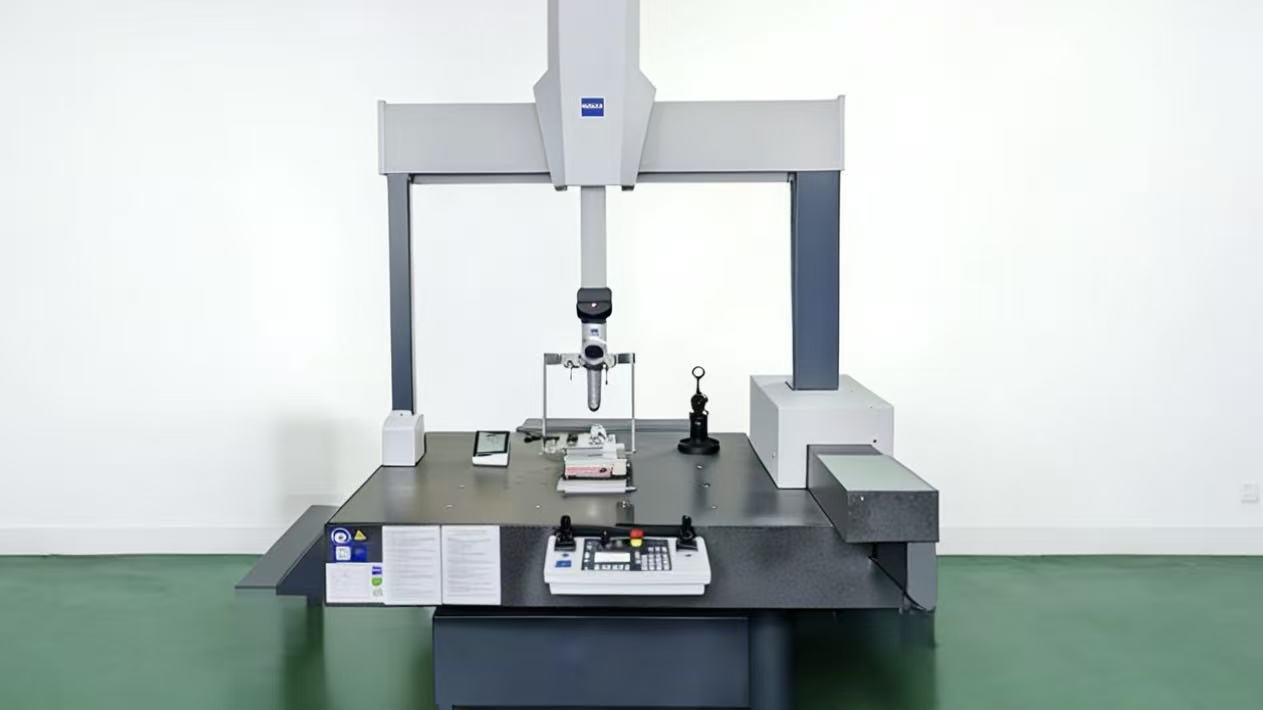
VLC subjects every batch of fasteners to a rigorous QA framework before dispatching to ports like Malabo and Bata. Our advanced testing lab ensures every shipment meets international standards (ISO, DIN, ANSI, ASTM):
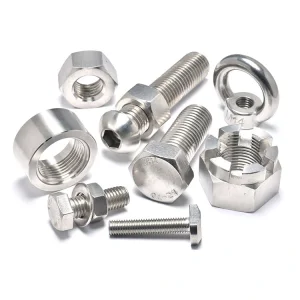
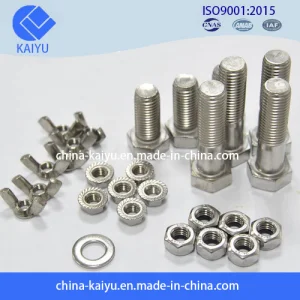
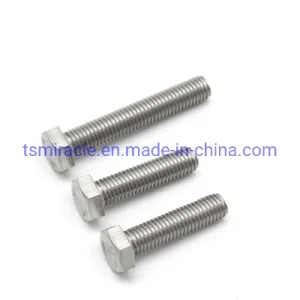
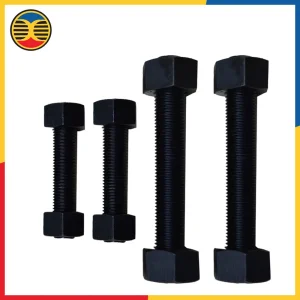
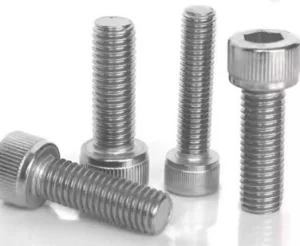
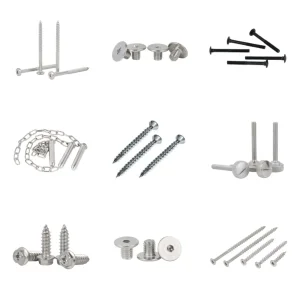
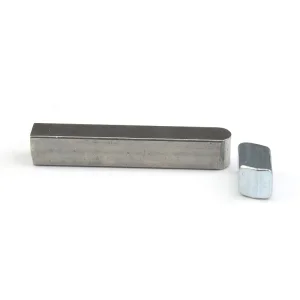
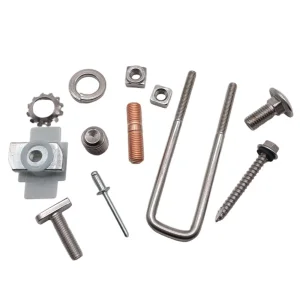
Our core product line is engineered for high performance, ease of installation, and long service life in industrial applications.
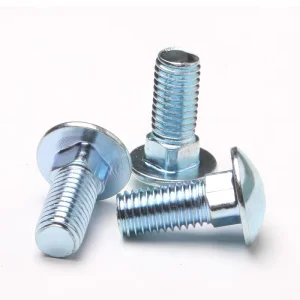
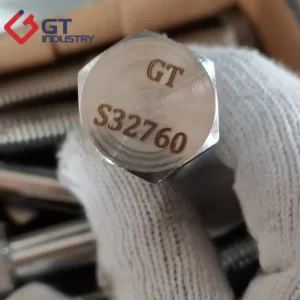
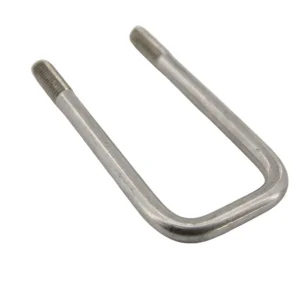
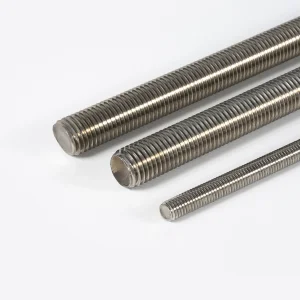
Purchasing industrial fasteners from a Chinese supplier requires more than checking unit prices. Procurement managers must evaluate shipping routes, export compliance, and cargo protection strategies to ensure hassle-free delivery.
Most industrial shipments leave major Chinese ports like Ningbo, Shanghai, or Shenzhen. The cargo travels via West Africa routes, calling at Malabo (Bioko Island) or Bata (mainland). Choosing direct shipping routes minimizes transshipment delays and lowers the risk of handling damage during transit.
Because the sea voyage crosses the humid equator, steel components are vulnerable to transit rust. VLC addresses this by packing all export products in heavy-duty plastic bags inside wooden crates. These crates are lined with rust-inhibiting paper to protect the fasteners throughout their journey.
Equatorial Guinea's customs clearance requires accurate declarations. VLC provides full commercial documentation, including certificates of origin, detailed packing lists, and certified material test reports (MTRs) to simplify the clearance process.
Get answers to common technical, shipping, and customization questions about sourcing stainless steel fasteners for Equatorial Guinea.
For offshore platforms in the Gulf of Guinea, Grade 316 (A4) stainless steel is the standard requirement due to its molybdenum content. For high-stress or extreme splash-zone applications, we recommend duplex stainless steel or high-nickel alloys like Monel 400, which offer superior resistance to pitting and stress corrosion cracking.
Yes. With our advanced CNC machining centers, automated lathes, and cold-forging production lines, we manufacture custom fasteners to your exact specifications. Send your CAD drawings or technical data sheets to our engineering team for a feasibility assessment and quote.
Production lead times depend on order complexity and volume, typically ranging from 15 to 30 days. Sea transit from major Chinese ports (like Shanghai or Ningbo) to Malabo or Bata ports takes about 35 to 45 days. We also offer air freight options for urgent replacement orders.
We test all raw materials using optical emission spectrometers before production begins. During manufacturing, we perform mechanical, hardness, thread tolerance, and salt spray testing. We provide complete EN 10204 3.1 material test certificates with every shipment.
Thread galling is common with stainless steel fasteners under high friction. We minimize this risk by maintaining precise thread tolerances during manufacturing. We also offer surface treatments, such as specialized lubricants or solid-film coatings, to reduce friction during assembly.
For standard fasteners in stock, we offer flexible MOQs to support your needs. For custom-machined or cold-forged parts, MOQs depend on dimensions and material grades. Contact our sales team to discuss your project requirements.
 VLC Part