High-performance engineering fasteners designed for dynamic loads, high tensile strength, and severe corrosion resistance.
The core challenge in heavy machinery, automotive assembly, and structural steel works is resisting the phenomenon of transverse vibration. Standard fasteners fail under continuous dynamic loads. According to the Junker Vibration Test (DIN 65151), transverse joint movement creates friction displacement, leading to a complete loss of clamping force. High-performance locking fasteners use physical mechanisms (prevailing torque, wedge-locking, or serrated profiles) to maintain tension, ensuring structural integrity and preventing catastrophic failures.
Modern engineering demands three major mechanisms to mitigate preload loss:
Our systematic market intelligence review outlines the leading manufacturers defining standards for high-vibration structural connections. We rank them based on precision engineering, quality management systems (QMS), export footprint, and technological innovation.
| Supplier / Exporter Class | Primary Technology Specialization | Key Testing & Certifications | Target Industries Served |
|---|---|---|---|
| 1. Wedge-Locking Specialists (e.g. Nord-Lock) | Wedge-locking washers and multi-jackbolt tensioners | DIN 25201, DNV GL Certified | Wind energy, heavy rail, mining, offshore |
| 2. Precision CNC Machining & Cold Heading (e.g. VLC Parts) | High-strength hex bolts, structural studs, customized non-standard nuts | ISO 9001, CE, Full Lathe Process | Automotive, steel structures, custom industrial machinery |
| 3. Aerospace-Grade Fastener Suppliers | Self-locking nuts, safety-wire pins, exotic alloy fasteners | AS9100D, NADCAP, NASM Standards | Aerospace, defense, high-altitude systems |
| 4. Chemical Thread-Locking & Patch Coaters | Pre-applied micro-encapsulated anaerobic adhesives | DIN 267-27, OEM Automotive specs | High-volume automotive, electronics manufacturing |
| 5. Heavy-Duty Infrastructure & Structural Bolting | Heavy hex structural bolts with customized locking washers | EN 15048, EN 14399 (Preloaded) | Bridge construction, commercial infrastructure |
| 6. Marine-Grade Corrosion Resistant Manufacturers | Duplex stainless steel and high-nickel alloy fasteners | NACE MR0175, ISO 3506-1 | Marine engineering, shipbuilding, desalination plants |
| 7. Vacuum & Extreme Temperature Fastener Producers | Pure graphite fasteners, molybdenum, and ceramic studs | High-temp vacuum oven compliance | Semiconductor, vacuum furnace manufacturing |
| 8. Automotive Precision Fasteners Exporters | Flanged bolts, prevailing torque nuts, custom multi-point bolts | IATF 16949, VDA 6.3 | EV powertrains, suspension systems, internal combustion engines |
| 9. Micro-Mechanical Locking Exporters | Nylok patch micro-screws, thread-forming fasteners | RoHS, REACH compliance | Consumer electronics, medical devices |
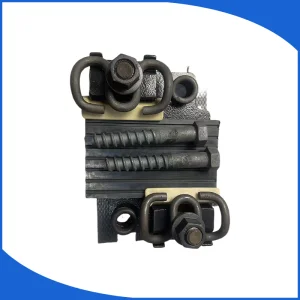
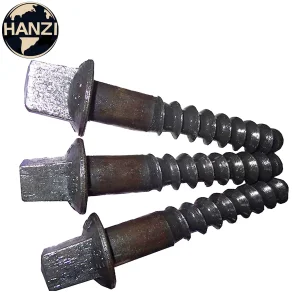
| 10. Heavy Rail & Infrastructure Fastening Systems | Track bolt assemblies, high-tension spike screws | UIC Railway Regulations | Railway infrastructure, track laying, subways |
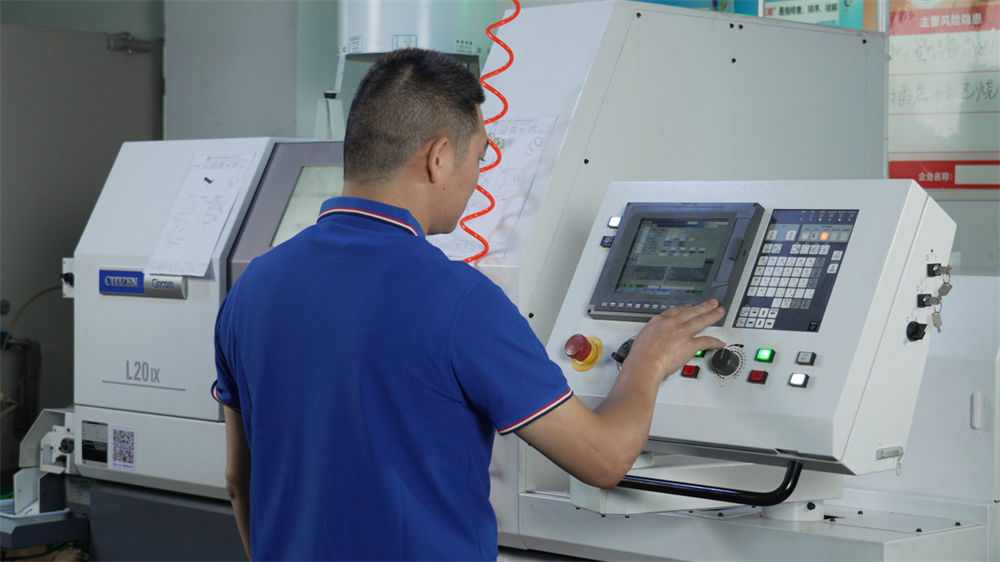
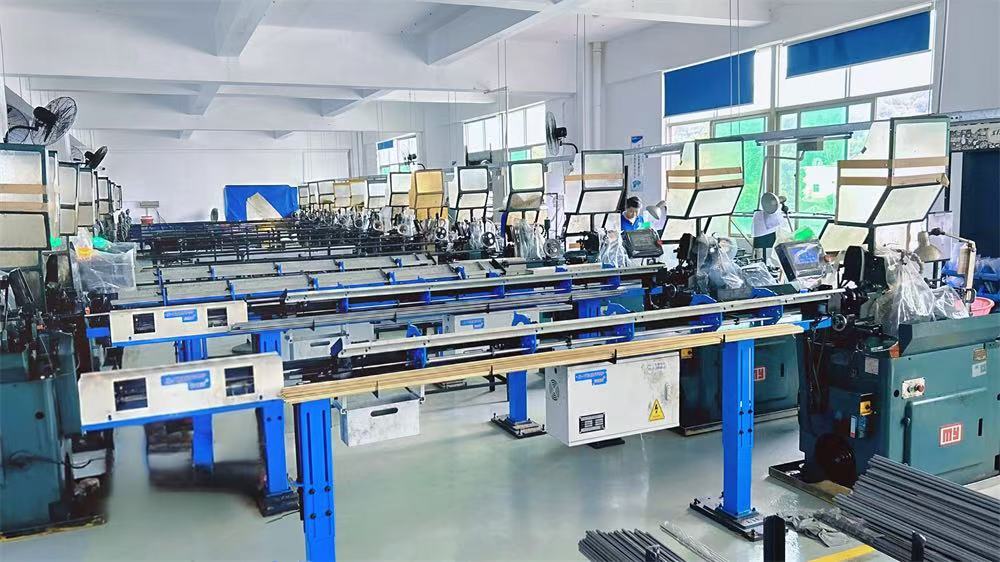
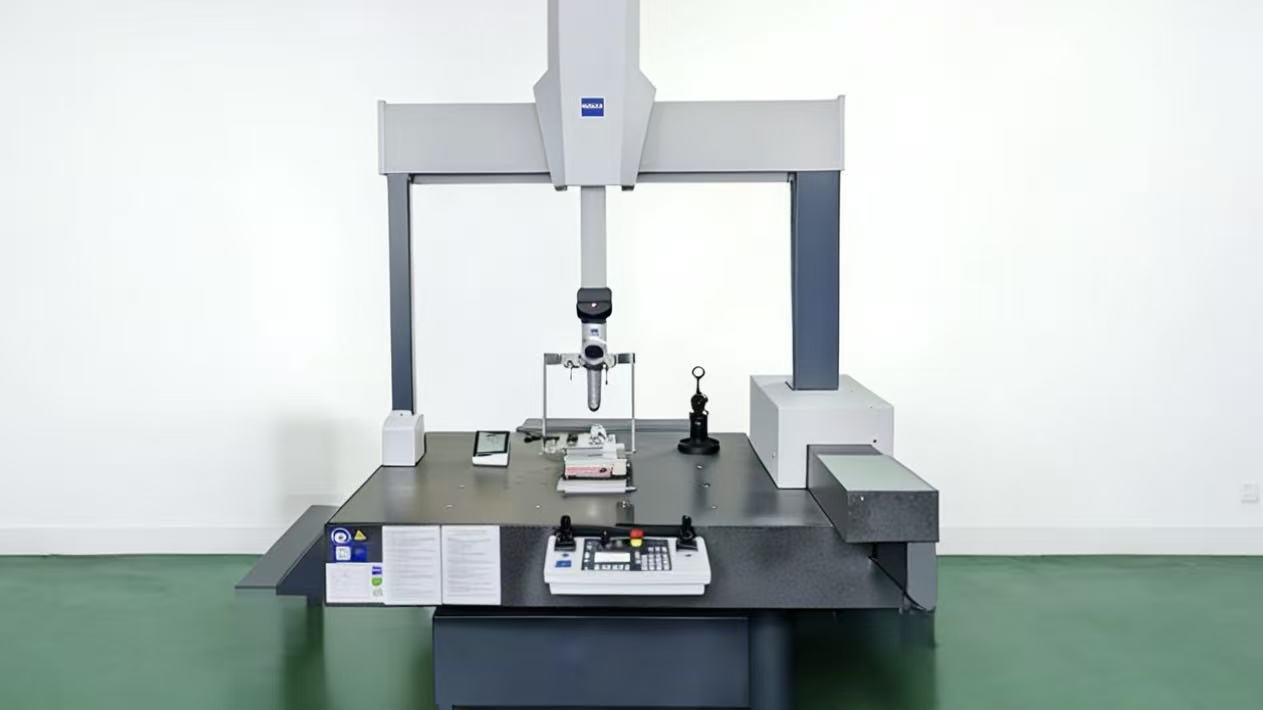
Procurement departments must verify the manufacturer’s testing facilities. A key component of E-E-A-T (Expertise, Experience, Authoritativeness, Trustworthiness) is ensuring the supplier can provide certified Junker test reports, torque-tension relationship data, and metallurgical analysis sheets. China manufacturers like VLC leverage comprehensive inspection lines alongside advanced high-precision lathe and CNC tooling to guarantee that output standards match Western expectations.
Relying on a single manufacturing region introduces supply risks due to geopolitical factors, freight instability, and raw material volatility. Partnering with strong Asian manufacturers who offer deep OEM/ODM service portfolios, such as CNC machining and automated lathes, provides a robust contingency framework, mitigating shipping delays and lowering raw material overheads.
Modern steel structures are evaluated based on their embedded carbon footprint. High-durability fasteners utilizing multi-layer zinc flake finishes provide over 1,000 hours of salt spray protection without utilizing toxic hexavalent chromium coatings. This aligns with global RoHS and REACH initiatives while optimizing structural lifecycle capacity.
Integrating modern CNC precision and high-output manufacturing to deliver structural integrity to global markets.
VLC is a leading bolts and screws manufacturer in China. With about 20 years of expertise in fasteners production and technology, we have an annual output of 10,000 tons of bolts, studs, and screws, specializing in hex bolts, structural bolts, and heavy-duty studs. Our factory leadership launched the first privately-owned business entity in 2006, carrying a strong mission: to become customers' first choice for high-integrity fastener manufacturing in China.
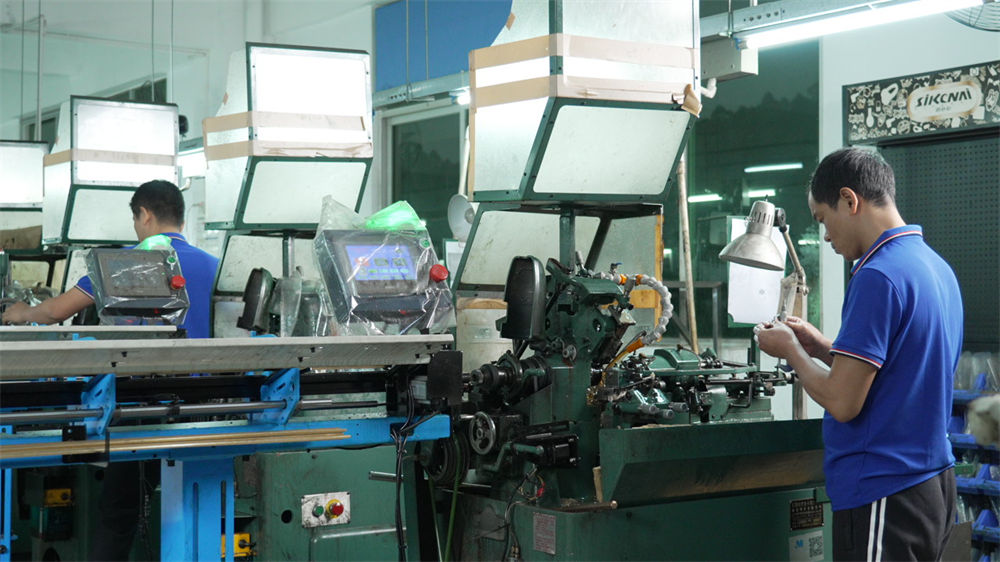
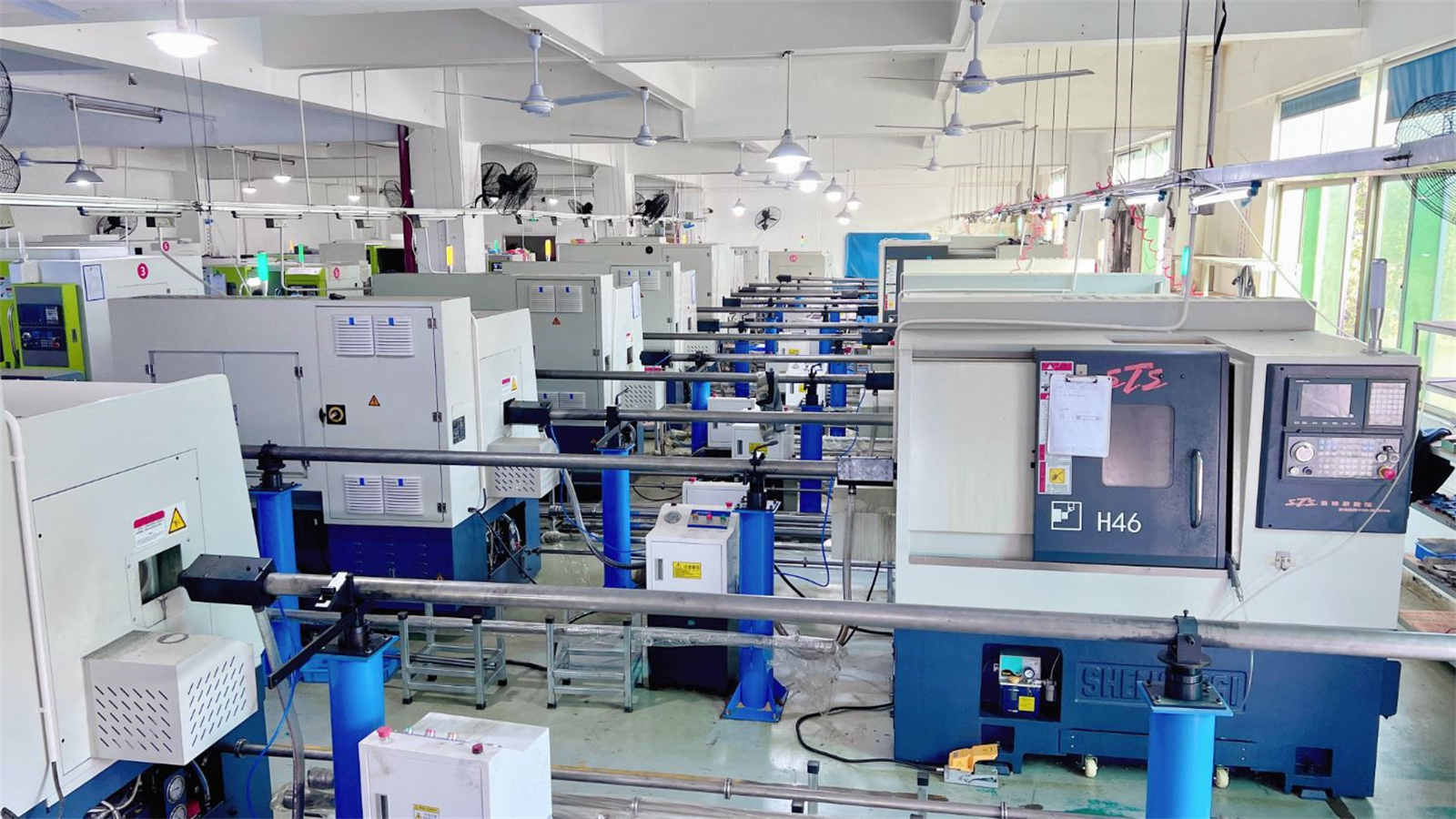
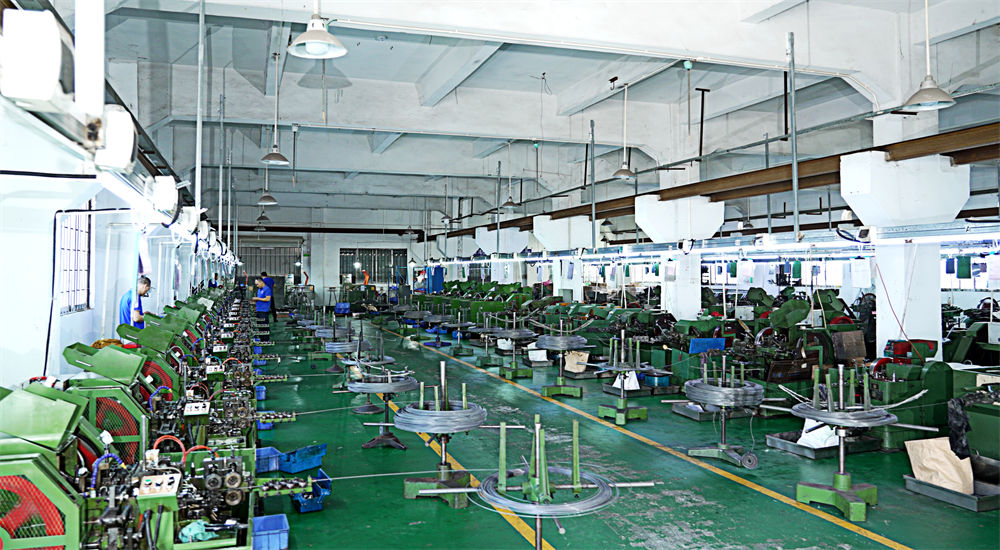
VLC operates a multi-tier production setup designed to support complex custom fasteners. From high-speed automatic lathes handling bulk runs of standardized screws to multi-axis CNC machines producing specialized shapes and precision threaded components, VLC handles both high-volume projects and custom OEM/ODM requests.
The manufacturing facility operates under strict quality control. Material sourcing is fully traceable, verifying chemical composition and physical properties before cold heading, machining, or heat-treating processes begin. Through rigorous adherence to international standards (ISO, DIN, ANSI, JIS, BS), VLC provides structural fasteners for major industrial operations, high-speed rail lines, marine structures, and automotive assembly networks.
For applications exceeding 1000°C, traditional metallic fasteners fail due to rapid thermal expansion and material creep. Advanced processes now utilize isostatic graphite fasteners. These components retain high structural strength, offer excellent electrical conductivity, and maintain thread profile stability inside high-temperature vacuum sintering furnaces, outperforming superalloys under extreme thermal cycling.
Offshore environments present aggressive chloride exposure, inducing pitting and stress corrosion cracking (SCC). Applying marine-grade 316 and 5083 aluminum rivets prevents galvanic corrosion when coupling dissimilar metals. Utilizing precision-rolled threads rather than cut threads keeps grain flow aligned, increasing fatigue life in dynamic offshore and shipbuilding projects.
Standard coarse threads can back off under thermal vibration. Advanced CNC processes machine non-standard modified thread profiles. These profiles redirect the axial load away from the first few threads, distributing the stress evenly across the engagement length. This configuration reduces thread shear failure, improving locking performance without relying on chemical adhesives.
Browse our extended product selection, featuring specialized alloys, CNC-machined non-standard components, and heavy-duty structural anchoring systems.
Our technical application team answers critical inquiries concerning structural load calculations, fastener selection, and installation best practices.
 VLC Part