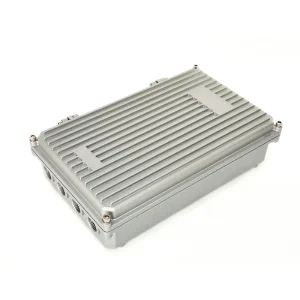
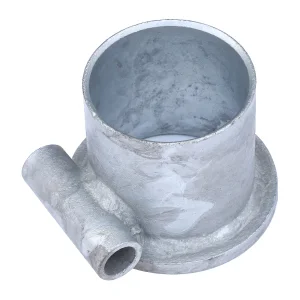
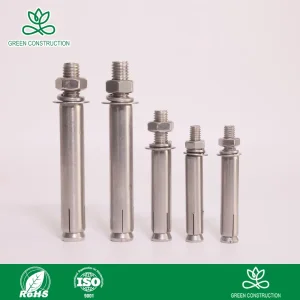
Engineered to exact tolerances and tested under extreme industrial environments.
Analyzing Kigali's economic acceleration, Special Economic Zones, and construction demands.
Rwanda, often recognized as the "Singapore of Africa," has experienced a profound economic metamorphosis driven by the national "Vision 2050" plan and the "Made in Rwanda" initiative. Underpinning this industrial revolution is the rapid transformation of the Kigali Special Economic Zone (KSEZ) and surrounding regional industrial parks. High-performance infrastructure and automated manufacturing demands have catalyzed an unprecedented local requirement for high-precision metal parts and industrial fasteners. No longer can regional projects rely on low-grade, non-certified bolts and nuts that fail under the humid climatic conditions of Central Africa or yield under structural loads.
As Rwandan industries transition from basic assembly to complex manufacturing, including automotive components, agricultural processing machinery, and solar energy installations, the need for precision fasteners with strict dimensional tolerances and metallurgical certifications is paramount. High-tensile fasteners (Class 8.8, 10.9, and 12.9) form the literal backbone of these operations. Precision engineering ensures that structural steel buildings, beverage processing plants, and telecommunications towers can withstand long-term operational stress, mitigating costly breakdowns and safety liabilities.
Furthermore, Rwanda's geographic positioning as a landlocked trading hub in the East African Community (EAC) requires that any imported manufacturing component meets rigid durability guidelines. Fasteners utilized in Rwandan projects must withstand transportation vibrations across the Central and Northern trade corridors, and perform optimally in local microclimates—ranging from the high humidity of the Lake Kivu region to the urban expansion zones of Kigali. Local operations demand direct-from-factory suppliers that offer technical compliance, high-volume consistency, and direct logistics support.
Rwandan construction and steel frameworks require fasteners with 640 MPa to 1080 MPa yield strength to guarantee structural safety and prevent shear failures.
All precision fasteners shipped to Rwanda conform to Rwanda Standards Board (RSB) regulations and matching East African regional quality standards.
Every shipment comes with EN 10204 3.1 Material Test Reports (MTR) detailing exact chemical composition, tensile testing, and hardness profiles.
VLC is a leading bolts and screws manufacturer in China. With about 20 years of expertise in fasteners production and technology, we have an annual output of 10,000 tons of bolts, studs, and screws, specializing in hex bolts, structural bolts, and studs. Our factory leadership launched the first privately-owned production facility in 2006 with a clear mission: to become the premier global choice for high-precision fasteners.
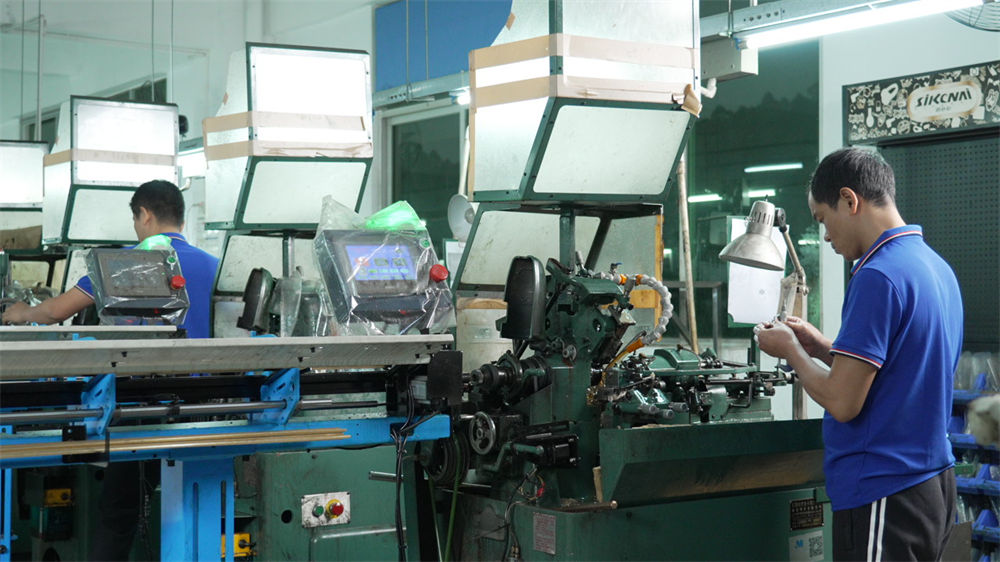
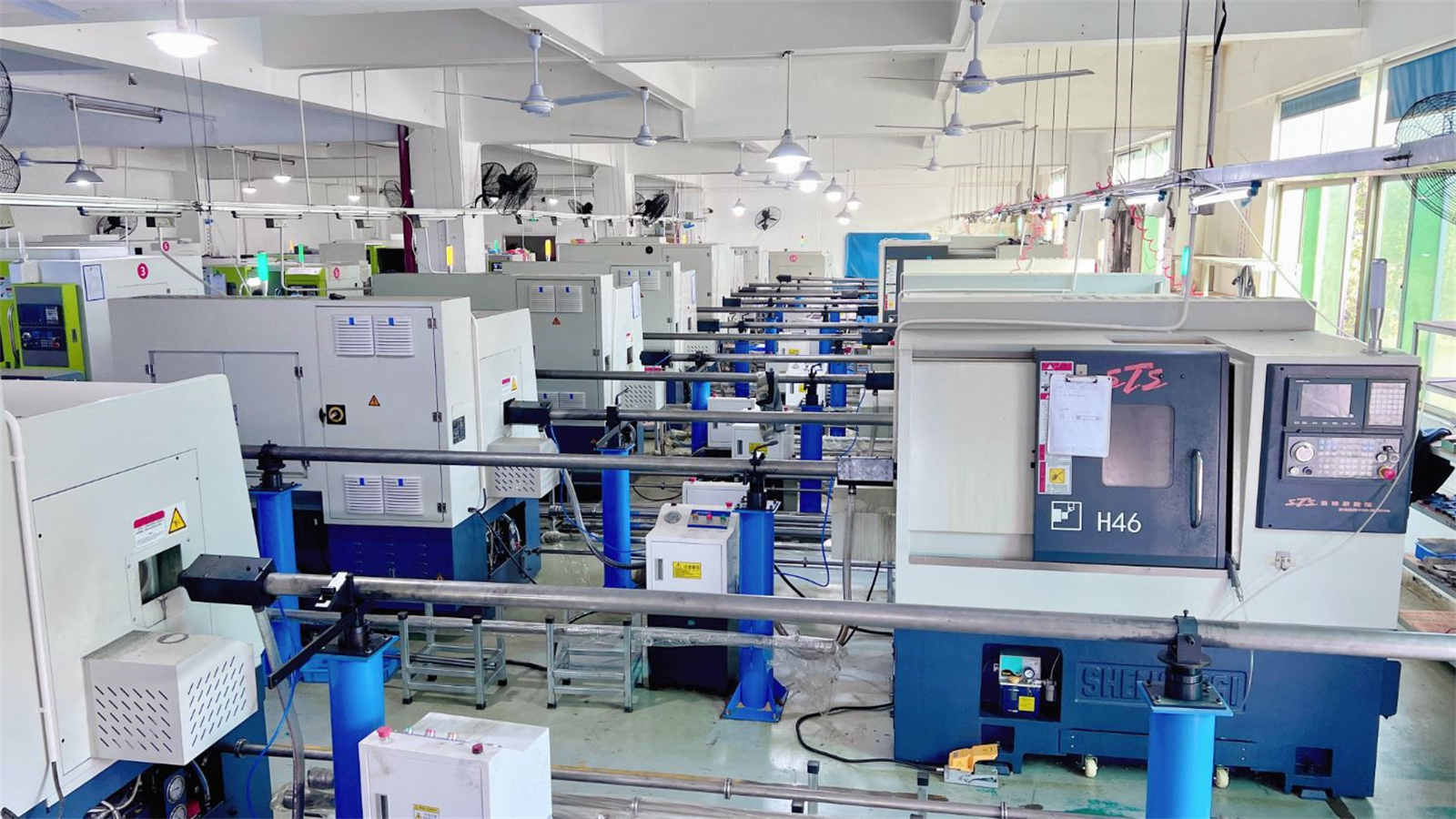
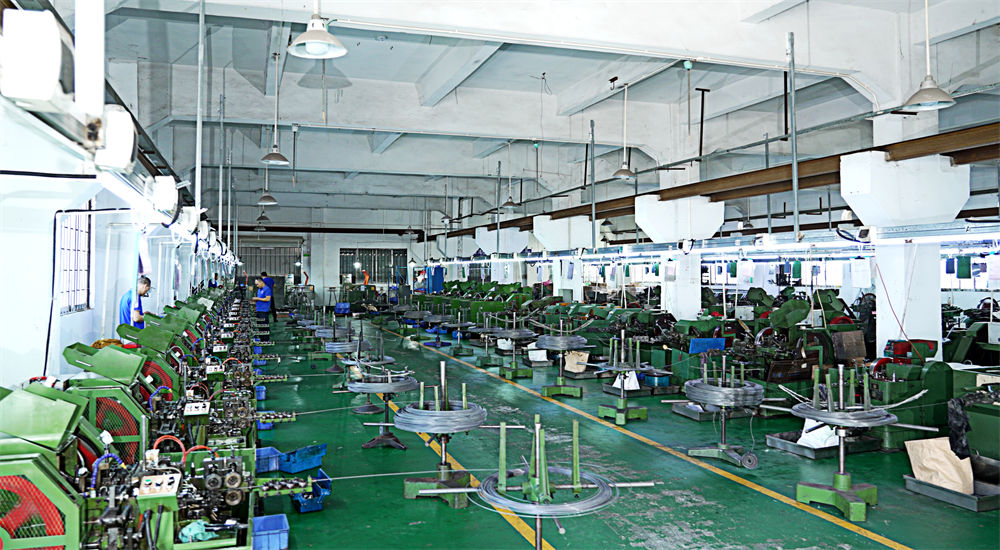
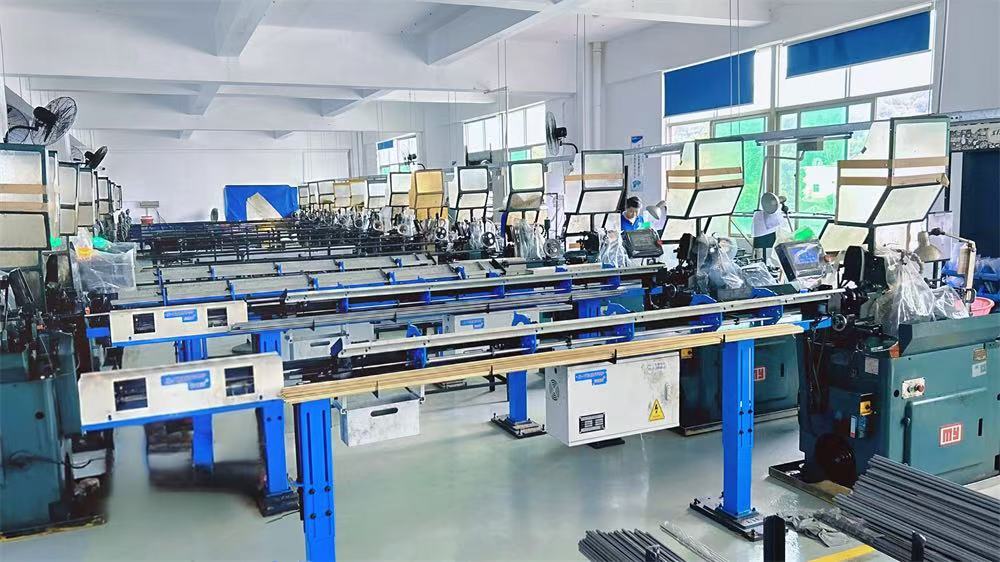
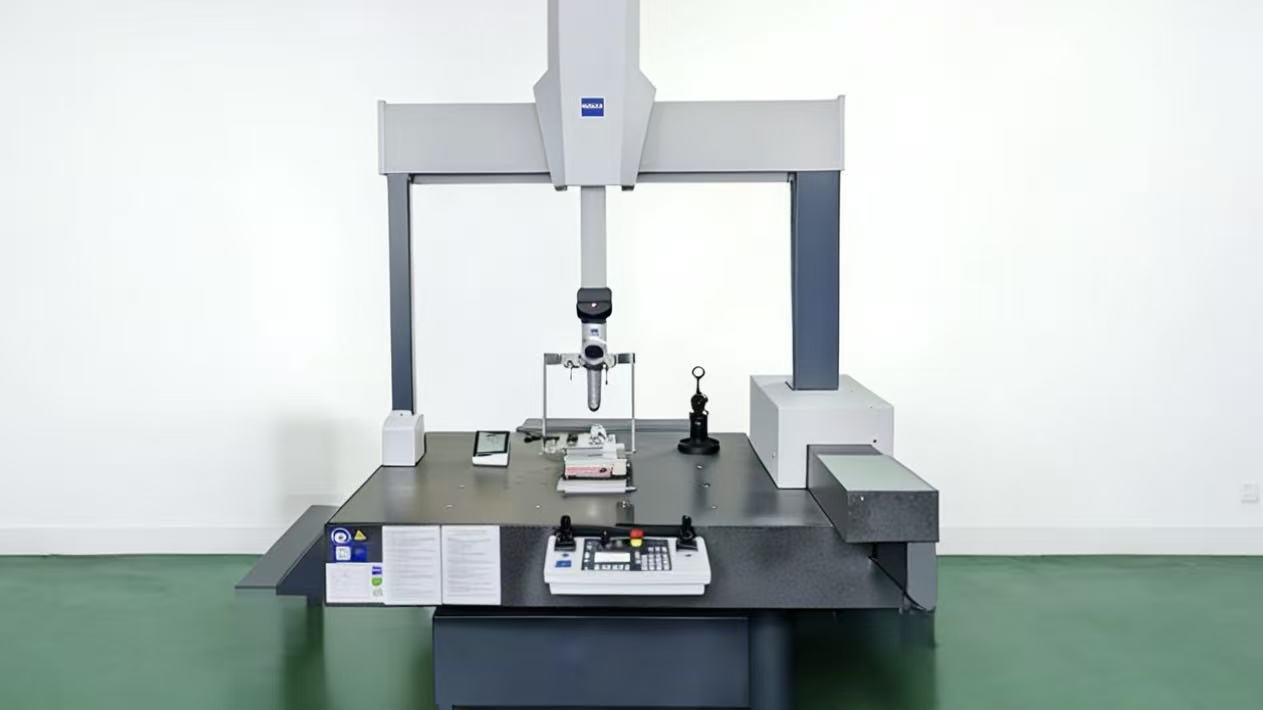
Our state-of-the-art manufacturing infrastructure features integrated cold-heading lines, precision multi-station forming machines, and automated heat-treatment chambers. This enables us to maintain absolute quality control over every batch, meeting international standards including DIN, ASTM, ANSI, ISO, and JIS. By combining China's raw material supply chain efficiencies with strict European quality controls, we supply Rwandan distributors and industrial end-users with unbeatable value, high durability, and certified performance.
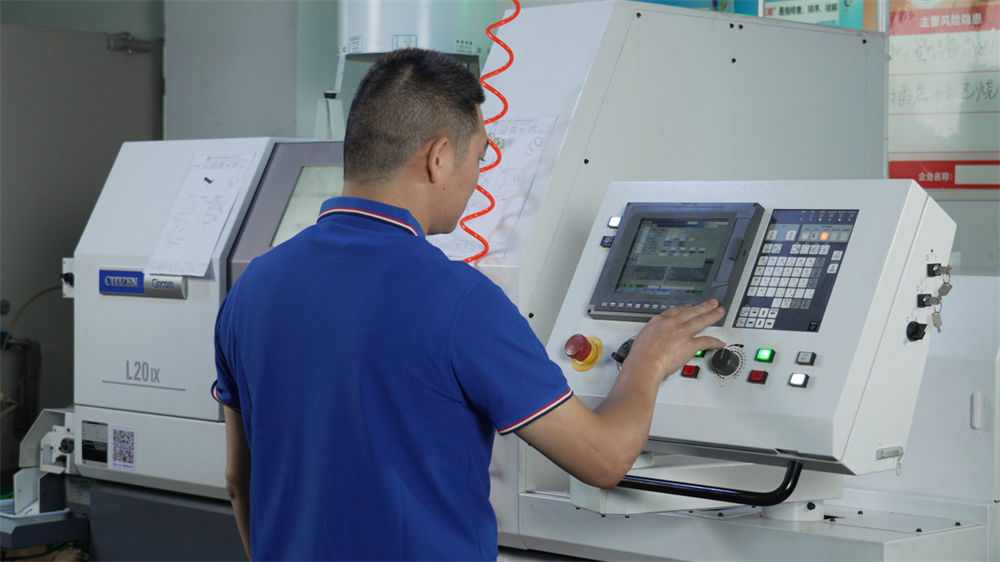
Inside our high-precision processing facilities: from raw steel bars to micro-tolerance components.
How environmental profiling dictates fastener material selection for Eastern Africa.
Designing structures or assembling products in Rwanda requires a strict understanding of the local climate. Rwanda features a tropical highland climate, which means consistent moderate temperatures but significant precipitation and relative humidity, particularly in the northern and western provinces. Fasteners exposed to these environmental conditions must be coated with high-performance anti-corrosion barriers to prevent premature rust and failure.
VLC manufactures fasteners across a diverse metallurgical spectrum. We supply Rwanda with Stainless Steel 304 (A2-70) and 316 (A4-80), which are highly recommended for municipal water works, medical diagnostic units, and chemical processing facilities due to their innate resistance to acids and chloride-induced pitting. For structural components, our carbon steels are heat-treated to exact specifications to meet ISO Class 8.8, 10.9, and 12.9 tensile profiles, ensuring that safety-critical applications are never compromised.
Where our high-precision fasteners drive productivity and safety across Rwanda.
Providing custom double-end studs, flange bolts, and anodized aluminum clamps to secure solar PV mounting frameworks and hydro-electric turbines, supporting Rwanda’s clean energy transition goals.
High-tensile structural bolts (A325/A490 equivalents) utilized in steel-framed office buildings, manufacturing warehouses, and municipal transit bridges across Kigali and nearby hub cities.
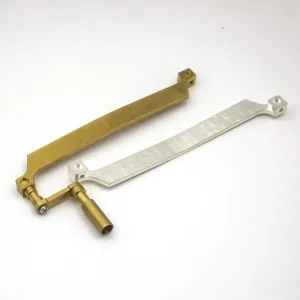
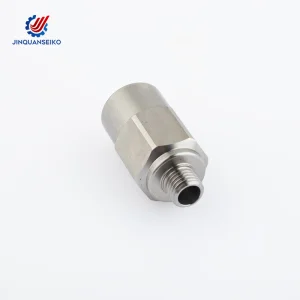
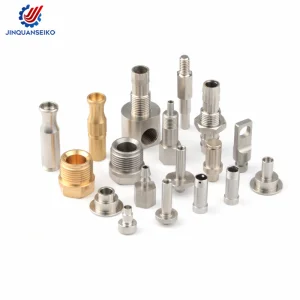
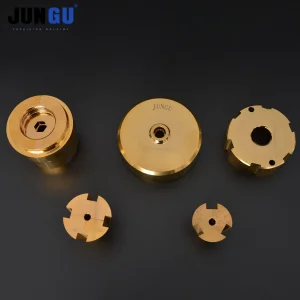
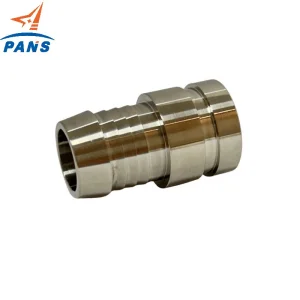
Providing precision brass components, micro-screws, and non-standard CNC lathe parts for high-tech medical devices, laboratory apparatus, and telecommunications network hardware.
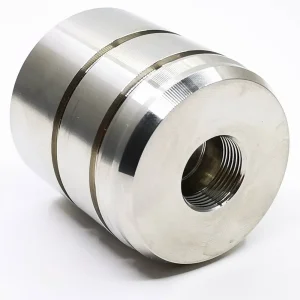
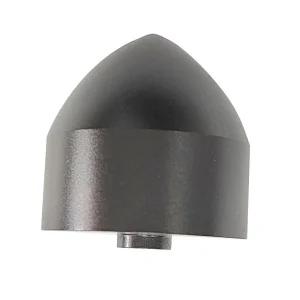
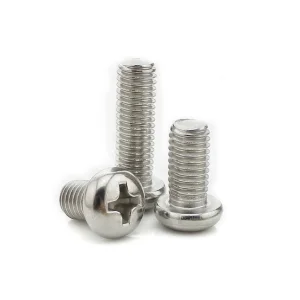
Explore our full line of custom and standard structural fasteners, CNC turned components, and heavy-duty hardware.
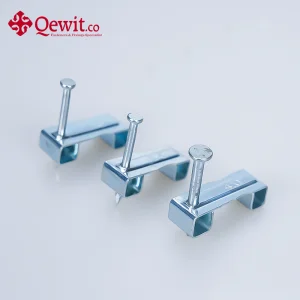
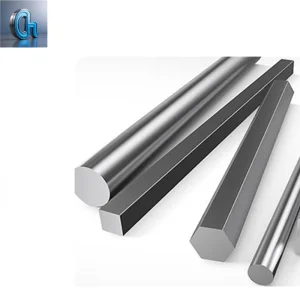
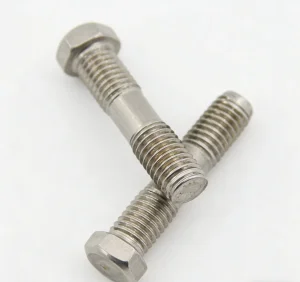
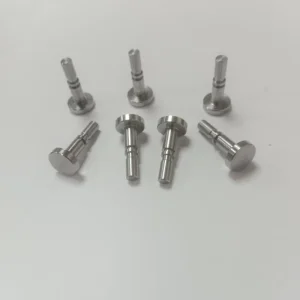
Navigating import tariffs, ocean-to-land logistics, and quality assurance checkpoints.
Procuring fasteners from China to Rwanda involves managing supply chain steps carefully. Since Rwanda is landlocked, freight logistics typically follow two primary transit networks: the Northern Corridor (shipping via sea to Mombasa, Kenya, followed by road transit through Uganda) or the Central Corridor (shipping to Dar es Salaam, Tanzania, and then overland by truck to Kigali). A typical shipment from our manufacturing hub in China to the Kigali Inland Port (Kigali Logistics Platform in Masaka) takes between 35 to 45 days. To avoid supply bottlenecks, we assist our partners with strict production scheduling and customs documentation preparation.
Working directly with VLC offers significant cost-containment opportunities. By eliminating middlemen and trading agents, Rwandan procurement departments save an estimated 15% to 30% on unit costs. We provide optimized shipping packing configurations to maximize container space, reducing per-ton freight rates. Furthermore, under the African Continental Free Trade Area (AfCFTA) and East African Community customs regulations, importing high-tensile components for manufacturing assembly can qualify for duty reductions. We supply all required certificate of origin documentation to assist our clients in claiming these regional benefits.
Technical answers, logistics configurations, and order procedures for buyers in Rwanda.
 VLC Part