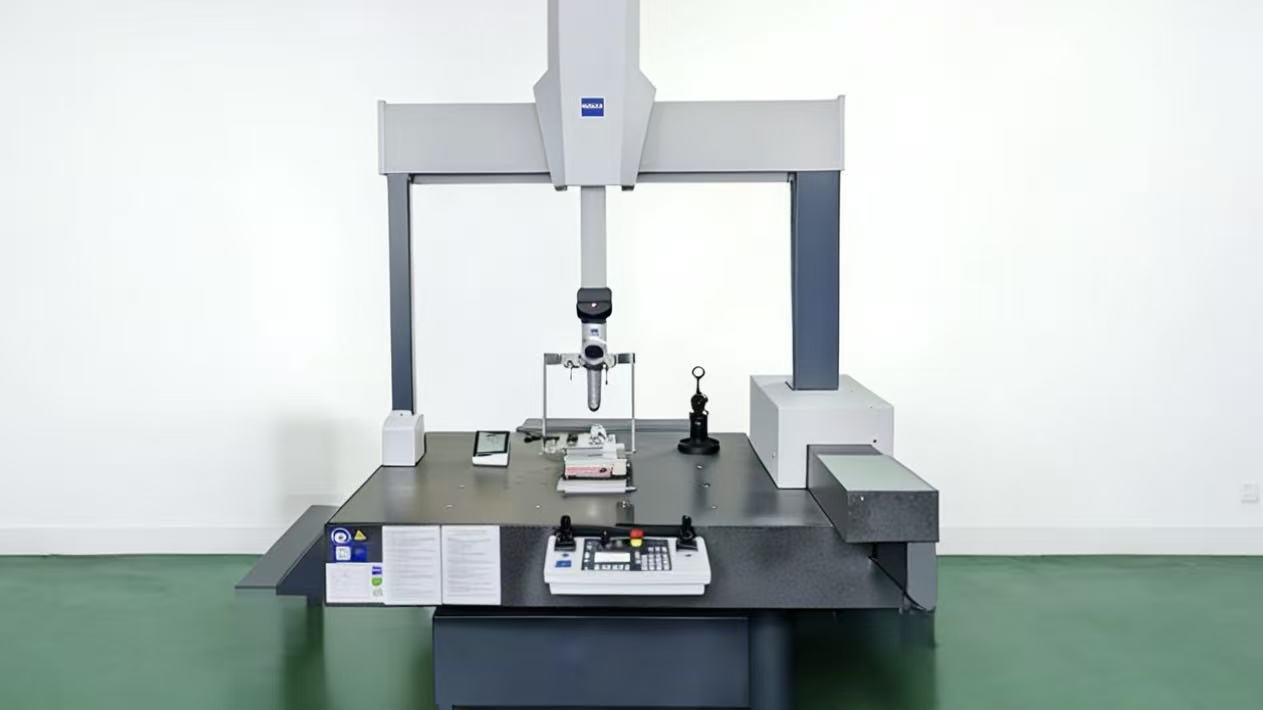
Engineered for extreme structural fatigue resistance, salt-spray durability, and high-vibration operational stability.
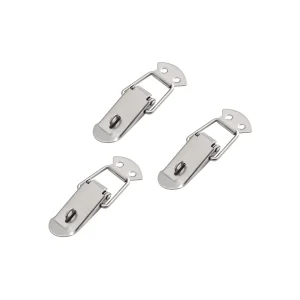
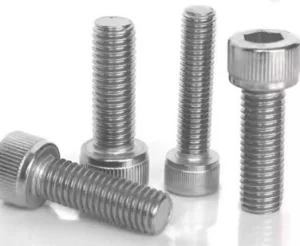
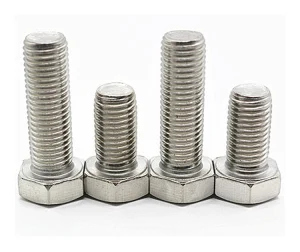
How advanced grip fasteners are enabling next-generation infrastructure, marine systems, and automotive engineering under extreme physical dynamics.
In modern structural engineering and industrial manufacturing, the joint is frequently the most critical point of mechanical performance. Grip fasteners—encompassing specialized hex bolts, tension studs, serrated compression locks, and custom threaded rods—serve as the fundamental mechanical anchors across global supply chains. As industrial applications scale in operational intensity, the demand for fasteners capable of maintaining clamp force under cyclic dynamic loading, thermal expansion, and aggressive corrosive environments has reached an unprecedented peak.
Historically, fastener procurement focused heavily on basic unit costs. However, modern engineering paradigms prioritize Total Cost of Ownership (TCO), zero-defect installation rates, and long-term joint integrity. According to international structural reliability frameworks, over 65% of mechanical assembly failures stem not from primary material breakage, but from fastener loosening, stress corrosion cracking (SCC), or improper torque-tension transfer. This shift has placed high-tech Chinese manufacturing facilities at the forefront of the global industrial supply ecosystem.
The primary physics governing grip fasteners revolves around the precise conversion of applied installation torque into residual elastic tensile preload. When a grip bolt is tightened, it operates as a stiff mechanical spring. The stability of the clamped joint relies on maintaining a clamping force ($F_c$) that exceeds external operational shear and tensile forces ($F_l$).
Advanced engineering designs utilize specialized thread pitch geometries, cold-rolled grain structures, and friction-controlled micro-coatings. For instance, cold-rolled threading maintains continuous metallic grain flow lines along the thread profile, enhancing fatigue resistance by up to 30% compared to cut-threaded alternatives. Furthermore, serrated edge designs create micro-wedge locking actions against mating surfaces, effectively suppressing self-loosening induced by lateral transverse vibrations.
Combining 20 years of precision engineering, state-of-the-art CNC machining, and automated cold forging.
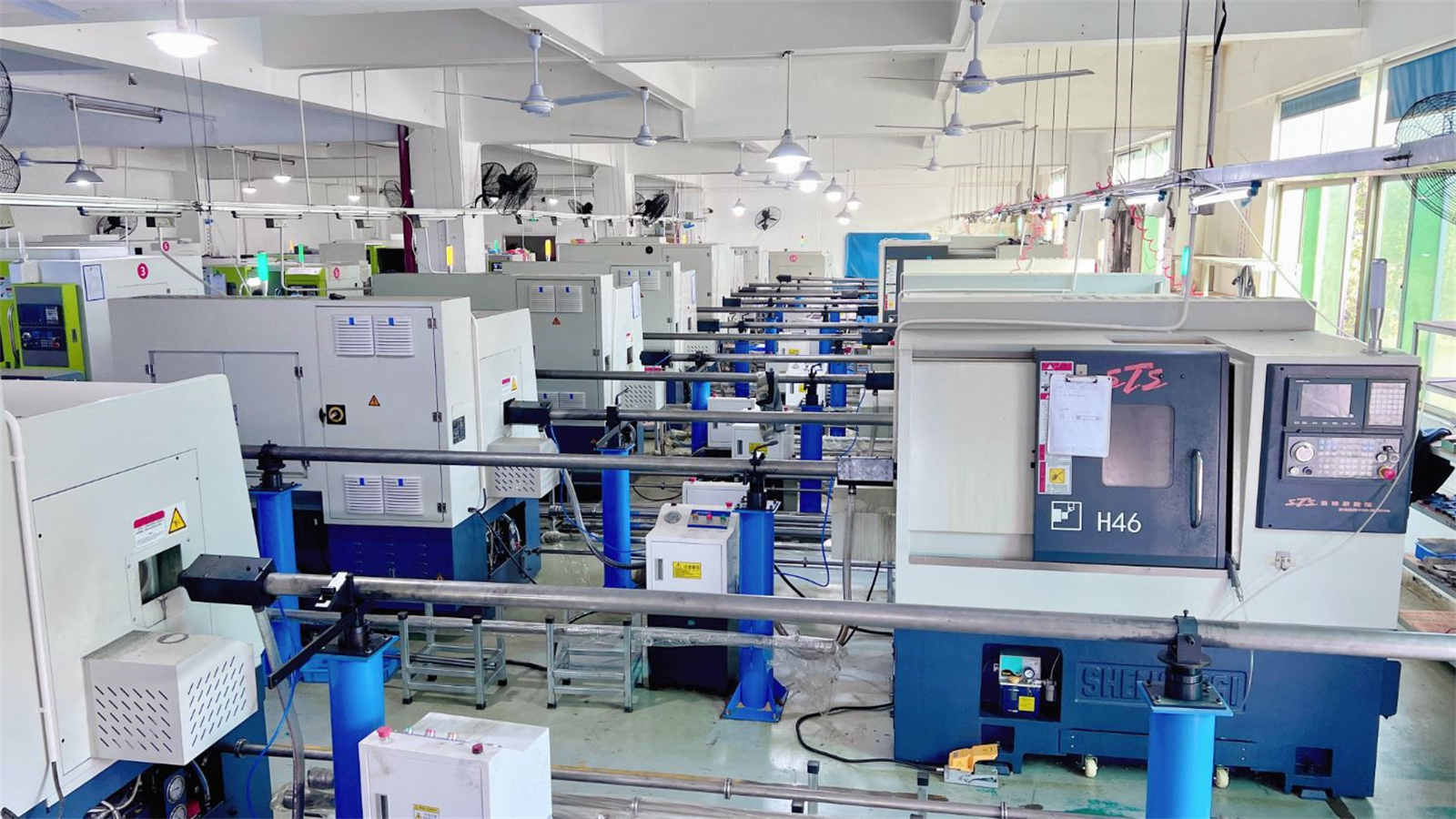
VLC stands as a premier bolts and screws manufacturer in China, delivering engineering-grade fastening solutions to demanding international markets. With nearly 20 years of expertise in fastener production, process engineering, and metallurgy, VLC operates an ultra-modern manufacturing footprint capable of delivering an annual output exceeding 10,000 metric tons of specialized bolts, double-end studs, heavy hex screws, and custom precision components.
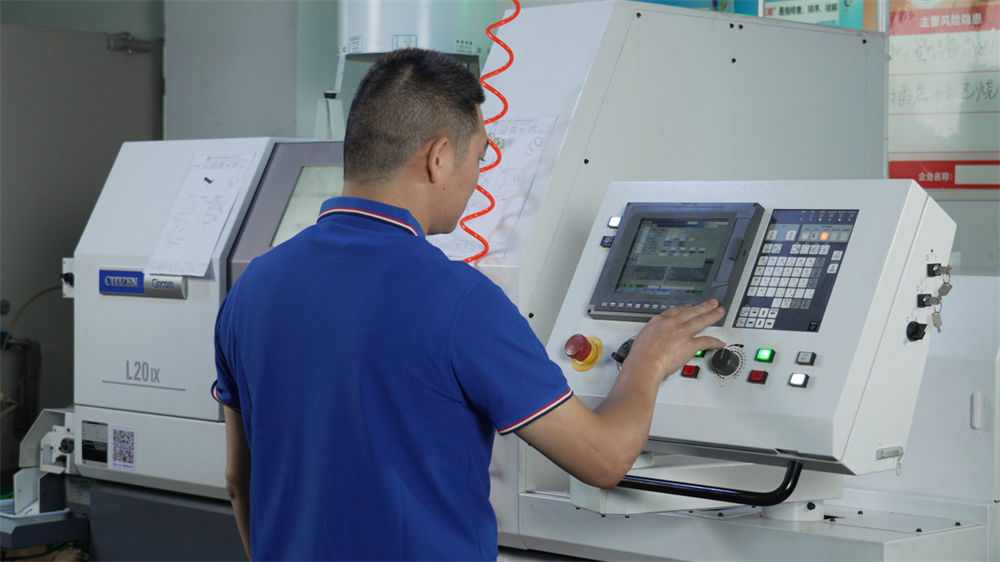
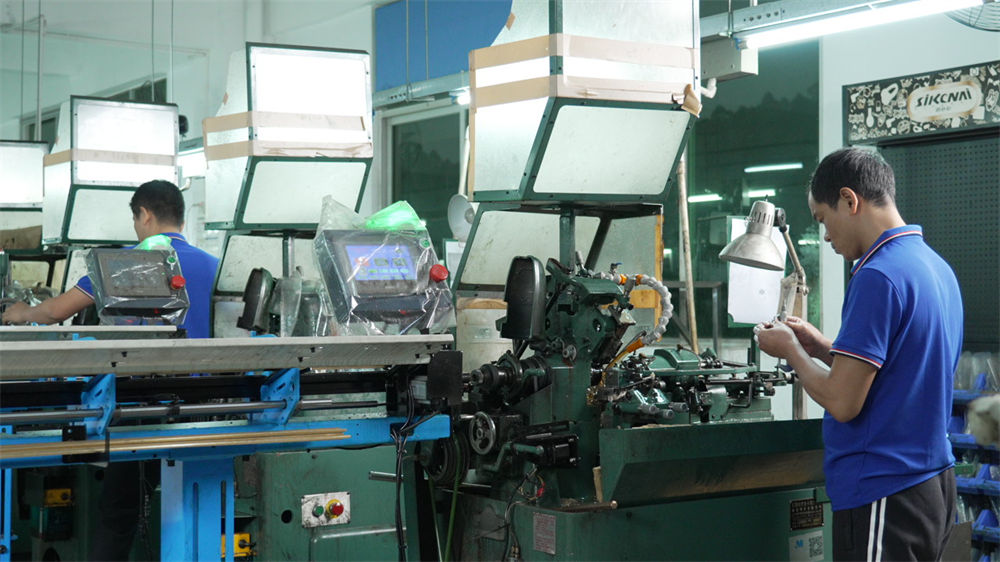
Founded on a vision of absolute manufacturing reliability, the leadership of VLC established its first independent enterprise in 2006. Driven by the mission of becoming the global customer’s primary choice among China fastener manufacturers, VLC has continuously reinvested in high-speed multi-station cold headers, computer-controlled heat treatment lines, and advanced CNC lathe processing hubs.
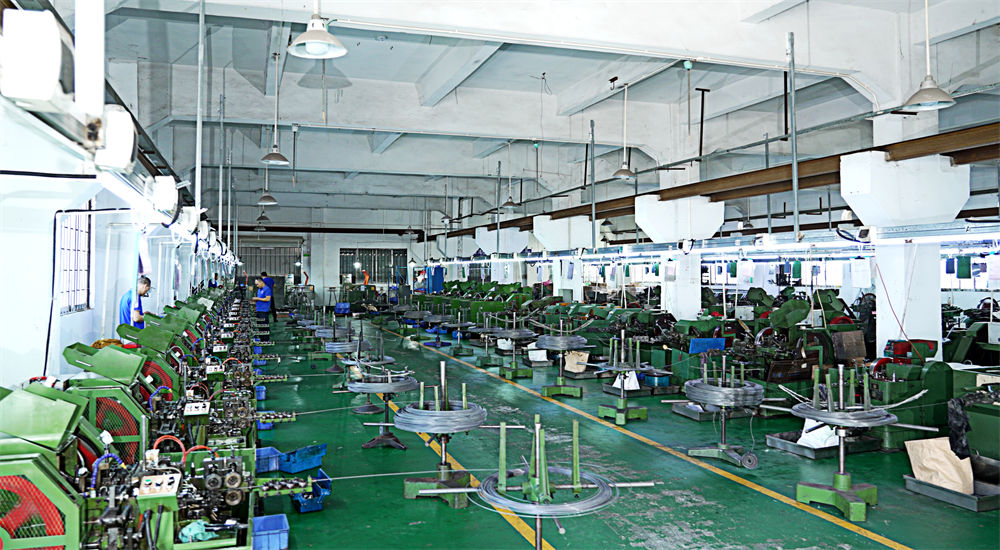
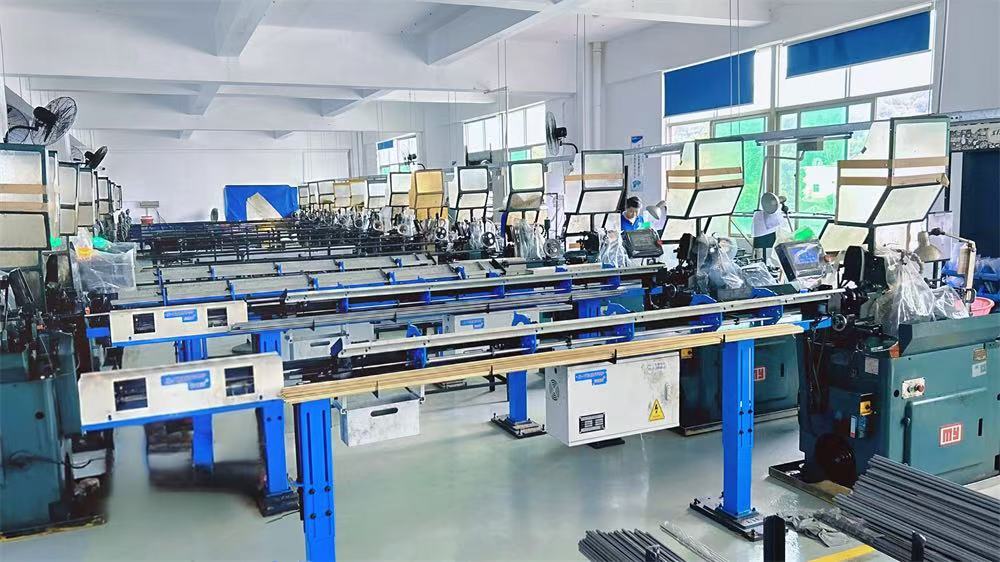
Comparative analysis of mechanical properties, thermal thresholds, and environmental anti-corrosion ratings.
| Material Designation | Tensile Strength (MPa) | Yield Strength (MPa) | Corrosion Resistance | Primary Industrial Application |
|---|---|---|---|---|
| AISI 316 / A4 Stainless Steel | 600 - 800 | ≥ 240 | Exceptional (Salt Spray > 1500 hrs) | Marine electrical control boxes, offshore equipment, chemical plants |
| Alloy Steel Grade 10.9 / 12.9 | 1040 - 1220 | ≥ 940 | Moderate (Requires Dacromet/Geomet) | Heavy industrial machinery, structural steel bridging, automotive engines |
| ASTM F594 Stainless Steel | 700 - 1000 | ≥ 450 | High (Submerged Saltwater) | Subsea flanges, marine propulsion joints, coastal infrastructure |
| Carbon-Carbon Composite Matrix | Custom Thermal Grade | Ultra-High Rigidity | Extreme Heat & Chemical Inertness | High-temperature automotive manufacturing, aerospace heat shields |
| Zinc Alloy / Galvanized Carbon Steel | 400 - 600 | ≥ 240 | Good (Standard Atmosphere) | Electrical cabinet pressure latches, commercial furniture assembly |
The operational longevity of a grip fastener is intrinsically bound to its surface chemistry. In aggressive environments—such as splash zones in marine installations or high-humidity chemical processing facilities—unprotected alloy steels suffer rapid oxidation and galvanic corrosion. VLC utilizes state-of-the-art surface engineering procedures:
Non-electrolytic applied zinc and aluminum flakes providing micro-layered sacrificial protection without hydrogen embrittlement risks for high-tensile 10.9 and 12.9 grade fasteners.
Chemical nitric/citric acid passivation treatment removing free iron contamination from the surface, enhancing the self-healing chromium oxide ($\text{Cr}_2\text{O}_3$) passive film.
Integrated PTFE or MoS2 solid lubricant coatings applied directly to stainless steel threads, stabilizing friction coefficients ($\mu = 0.10 - 0.14$) and eliminating cold-welding during torqueing.
In-depth technical breakdown of how specialized fasteners perform in real-world critical installations.
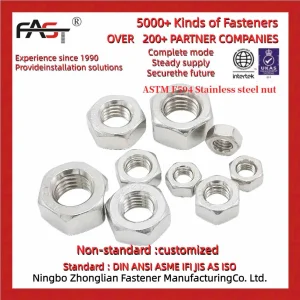
Electrical control boxes installed on offshore oil platforms and naval vessels are subject to continuous salt fog exposure and structural thermal flexing. Stainless Steel Compression Fasteners and ASTM F594 Nuts provide elastic compression force against silicone gaskets, maintaining IP68 ingress protection while completely suppressing galvanic corrosion over decades of exposure.
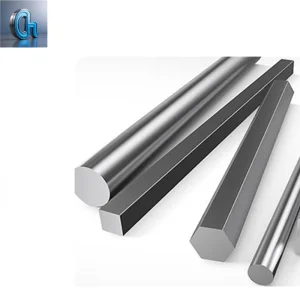
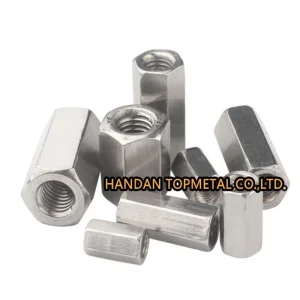
Civil infrastructure projects demand high-fatigue post-tensioning anchors. Nut/Fasteners for Solid Threaded Bars are engineered to transmit massive tension loads across bridge girders. Precision thread contours eliminate localized stress concentrations, guaranteeing structural safety under dynamic heavy-traffic conditions.
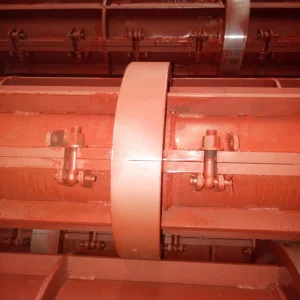
Vibration-intensive concrete spun pile molds and heavy hydraulic equipment require High Strength Mold Fastener Bolts. Manufactured from heat-treated alloy steel, these components resist shear slip and thread stripping even when subjected to thousands of high-frequency vibrational cycles per hour.
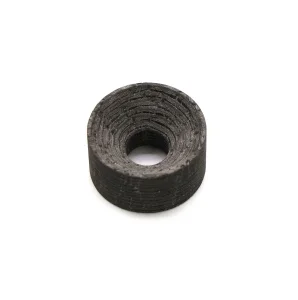
High-temperature automotive manufacturing utilizes Dimension-Stable Carbon-Carbon Washers. Unlike conventional metallic washers that suffer thermal creep and elasticity loss at temperatures exceeding 400°C, carbon-carbon matrix elements retain dimensional tolerances and clamp force coefficient stability.
How AI-integrated smart manufacturing, digital twin metallurgy, and IoT-enabled fasteners are shaping the future of global assembly.
The next frontier in industrial fastening involves transition from passive structural elements to active data-collecting nodes. Future grip fasteners will integrate micro-piezoelectric sensors capable of continuously measuring clamping tension, axial elongation, and structural vibration frequency in real-time. This dynamic telemetry is broadcasted via low-power wireless protocols to industrial IoT dashboards, enabling predictive maintenance before catastrophic joint separation occurs.
As tolerance windows narrow to micro-inch levels for aerospace and medical applications, traditional manual or semi-automated inspection methods are insufficient. Vanguard factories like VLC are fully deploying multi-camera AI optical sorting systems. Utilizing convolutional neural networks (CNNs), these systems inspect 100% of fastener output at speeds exceeding 600 pieces per minute—detecting thread pitch anomalies, surface micro-cracks, and dimensional deviations under 5 microns.
Global environmental mandates (such as the EU Carbon Border Adjustment Mechanism) require supply chain transparency. The roadmap for Chinese fastener exports involves transitioning to green hydrogen-reduced steel wire rods, eco-friendly cold-heading lubricants, and zero-discharge electroplating processes. This ensures that high-performance grip fasteners maintain a minimal carbon footprint across their lifecycle.
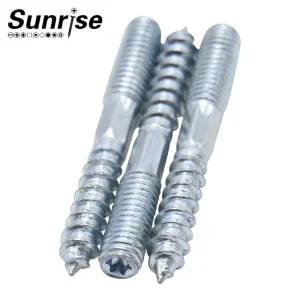
Explore our full spectrum of specialized studs, non-standard bolts, standoffs, and construction anchors.
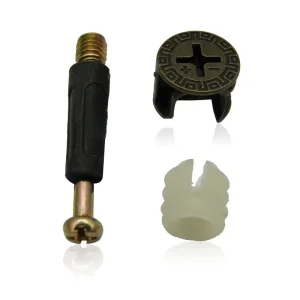
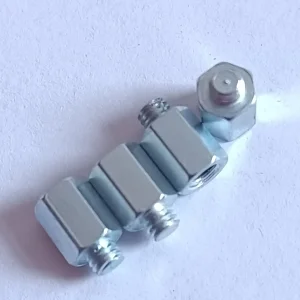
Meeting and exceeding global mechanical, chemical, and dimensional compliance standards.
Global industrial procurement requires absolute adherence to standardized international frameworks. Fasteners exported by top-tier Chinese manufacturers undergo rigorous testing routines to ensure seamless substitution and compatibility with existing European, American, and Asian engineering designs.
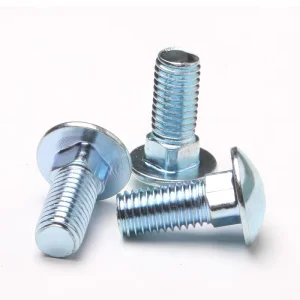
Full manufacturing alignment with DIN 912 (Hexagon socket head cap screws), DIN 933/931 (Full and partial thread hex bolts), and DIN 6921 (Flange bolts with serration).
Strict structural adherence to ASTM A193/A194 (High-temperature pressure vessel bolting), ASTM F594 (Stainless steel nuts), and ASME B18.2.1 heavy structural fasteners.
All surface coatings (including zinc plating, passivations, and organic coatings) are certified 100% hexavalent chromium ($\text{Cr}^{6+}$) free, fully compliant with EU REACH regulation 1907/2006.
Expert answers to common engineering, procurement, and manufacturing inquiries.
 VLC Part