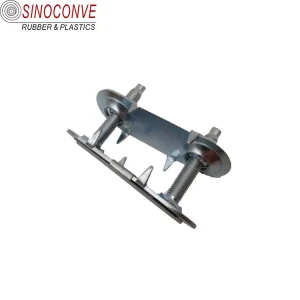
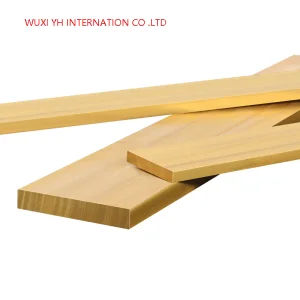
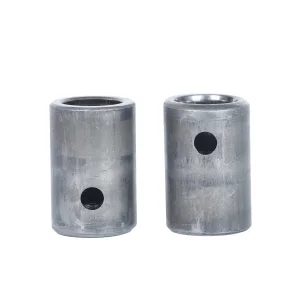
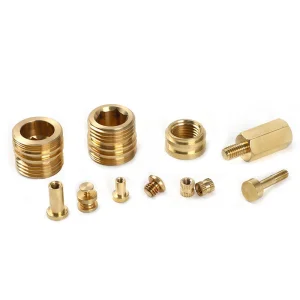
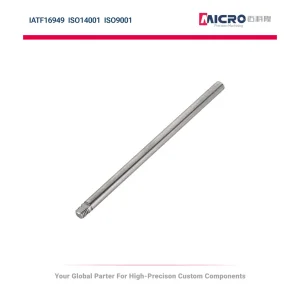
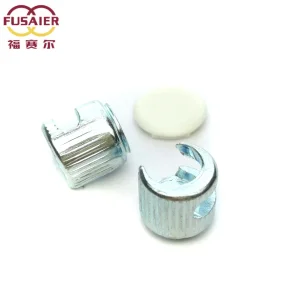
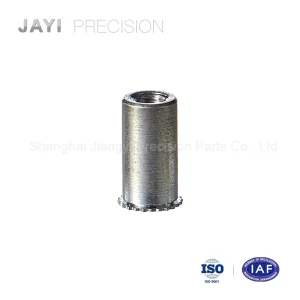
Explore high-precision solutions designed for structural integration, heavy duty construction, and specific load-bearing operations.
In high-tolerance mechanical design, misalignment of mounting holes is one of the most persistent bottlenecks during assembly. This is where floating fasteners (such as self-clinching floating nuts and floating panel screws) play an indispensable role. Engineered to float within a specific range (typically 0.4mm to 0.8mm or more, radially), these fasteners compensate for standard cumulative tolerance stack-up, significantly reducing assembly time and preventing stress fatigue on critical components.
Whether in server racks, automotive chassis, medical equipment, or aerospace engineering, floating fasteners eliminate the need for manual alignment and expensive post-machining processes. Under Google's E-E-A-T framework, finding a reliable supplier means evaluating technical expertise, raw material certifications, and precise mechanical engineering standards rather than just low prices.
Compensates for mating hole misalignments up to 0.030 inches (0.76mm), allowing smooth thread engagement even when tolerances stack up.
Specially engineered ribs and locking collars provide excellent push-out and torque-out resistance, ensuring secure hold in thin sheet metals.
Installs easily using standard squeeze forces, compatible with automated insertion equipment for optimized industrial assembly lines.
Leveraging two decades of manufacturing prowess and a robust annual production capacity of 10,000 tons.
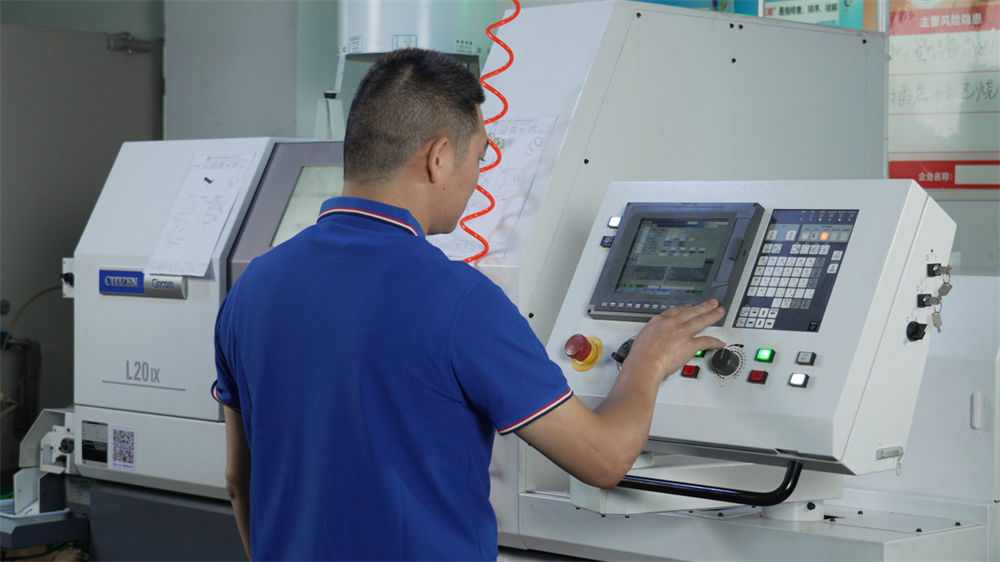
VLC is a leading bolts, studs, and screws manufacturer in China. With about 20 years of expertise in fasteners production and technology, we boast an annual output of 10,000 tons of high-grade bolts, studs, and screws, specializing in hex bolts, structural bolts, and studs. Our leadership established our first privately-owned business back in 2006 with a singular mission: to become the ultimate choice for global buyers seeking fasteners manufacturers in China.
Operating at the intersection of traditional metallurgy and advanced manufacturing, VLC continuously updates its production lines. By integrating state-of-the-art cold forging machines with high-end CNC machining centers, we provide custom tolerance matches that satisfy global aerospace, electronics, and construction demands.
A detailed view inside our state-of-the-art manufacturing plants, showcasing advanced automation and quality assurance lines.
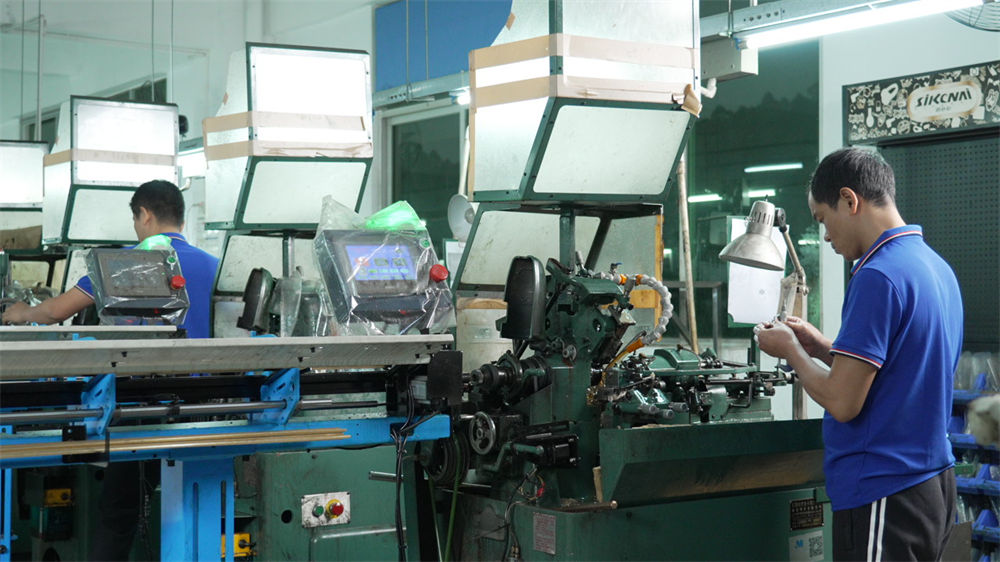
Multi-axis tooling ensuring sub-micron dimensional tolerance on complex customized threads.
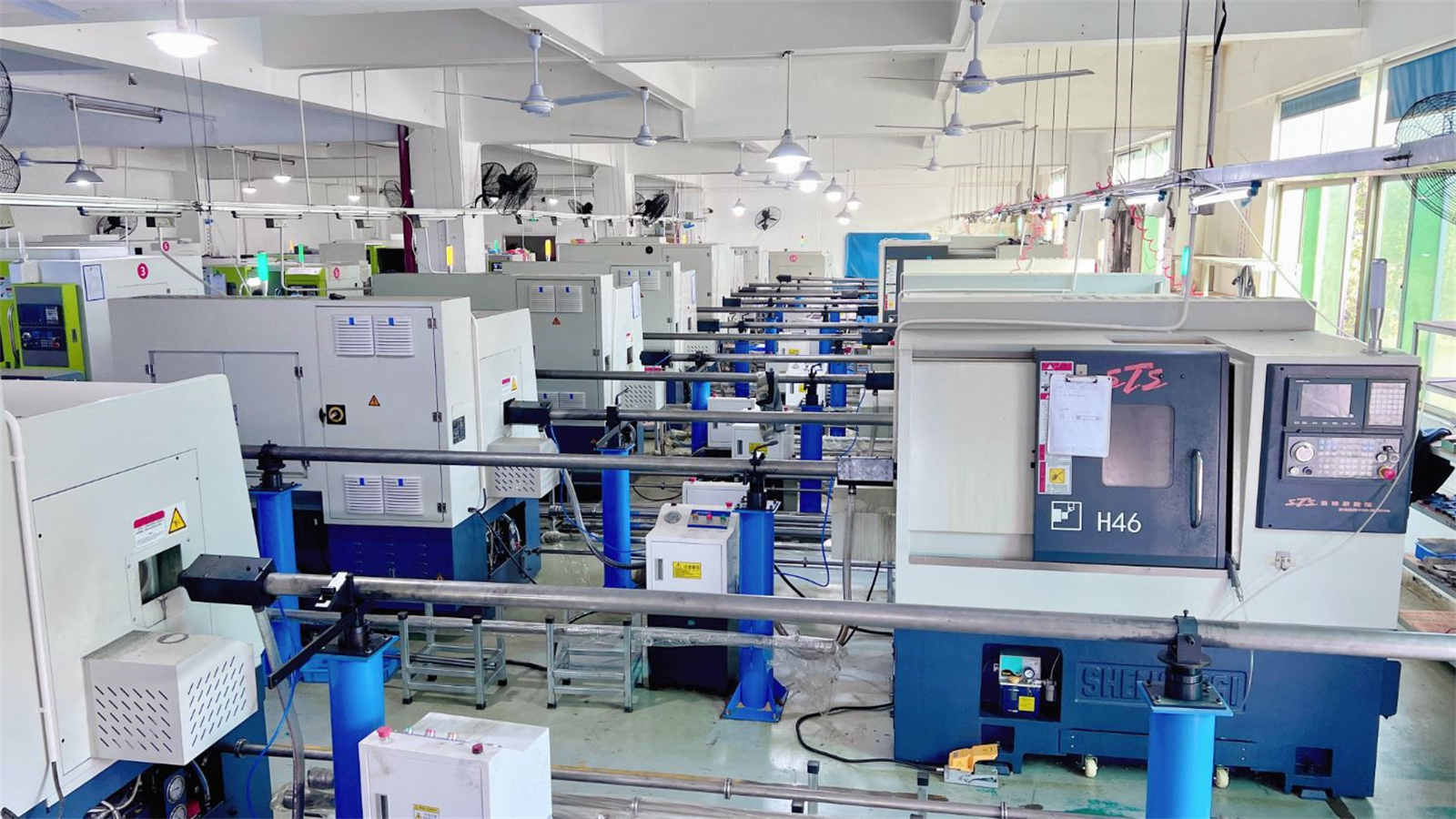
Optimized for high-speed repeatability, producing high-tensile components with zero failure rates.
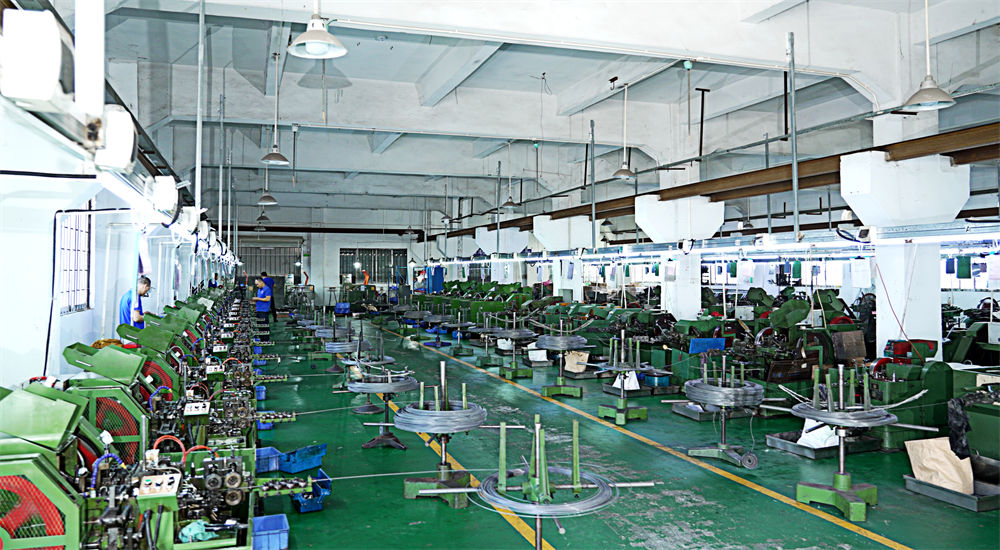
Automated screw machine lines configured for high-volume, reliable batch production.
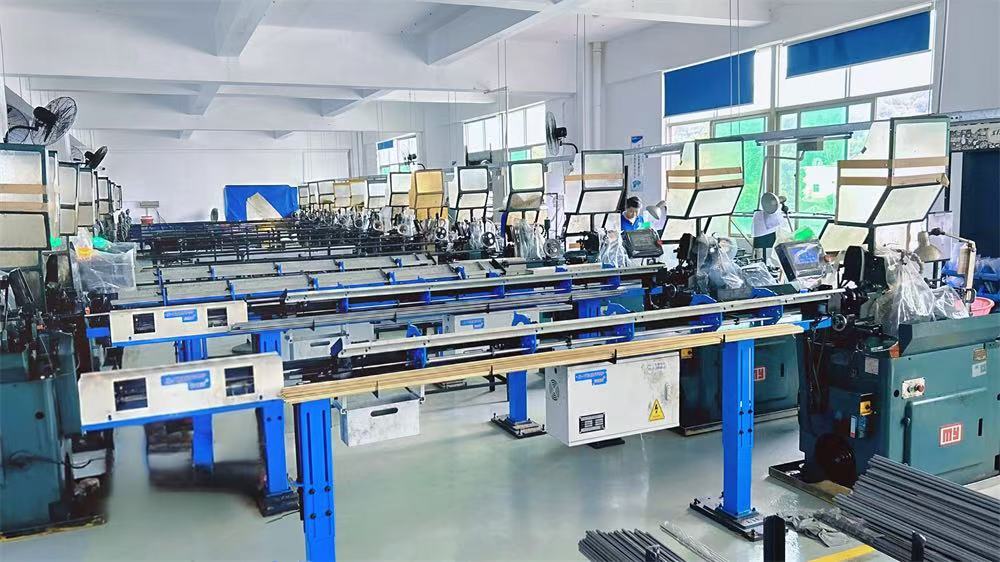
Continuous feed mechanism optimized for standard brass and carbon steel nut manufacturing.
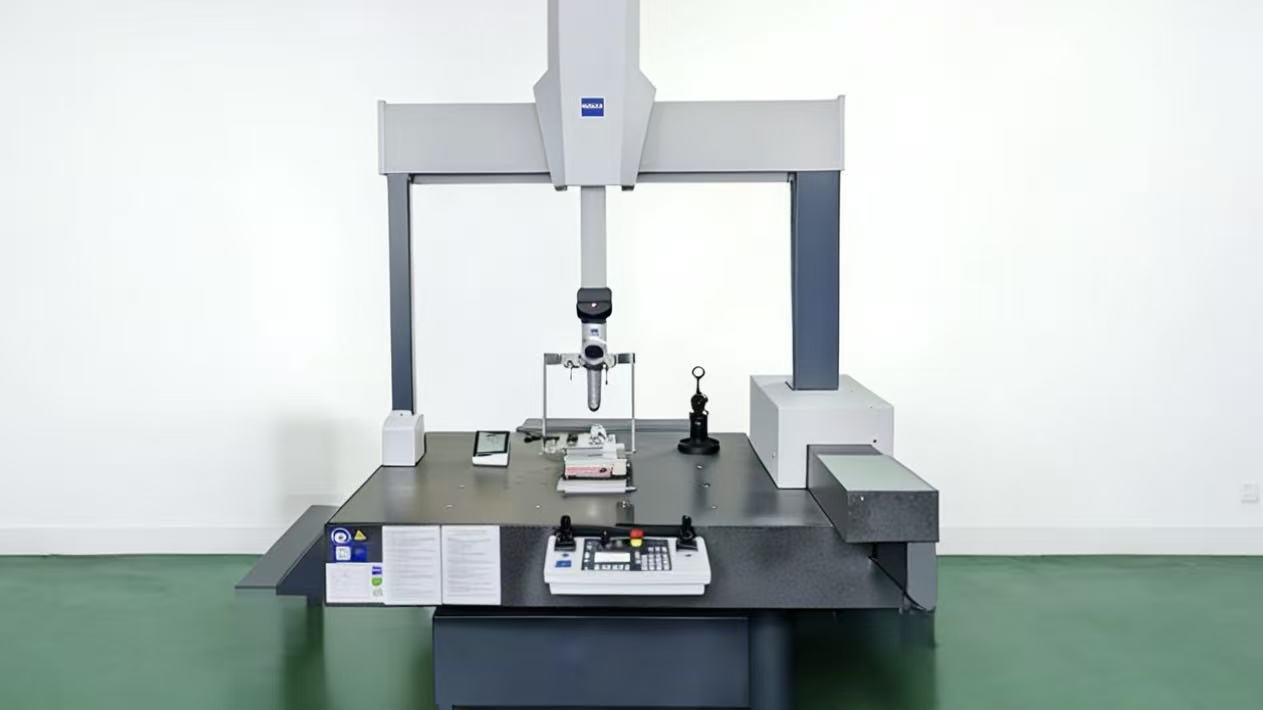
Secondary machining processing unit focusing on tight-tolerance finishing
As industrial automation grows, global enterprises demand floating fasteners that combine metallurgical structural integrity with stable pricing. This is where Chinese factories, such as VLC, offer unmatched geographic and logistical advantages.
Chinese fastener production is concentrated in specialized clusters (such as Zhejiang and Hebei). This proximity to top-tier steel mills and surface treatment facilities reduces raw material transportation costs and speeds up design-to-prototype cycles. In addition, localized heat treatment capabilities ensure parts achieve exact hardness ratings (e.g., HRB 70 or lower for aluminum installations, and HRB 80 or lower for carbon steel sheets).
By shifting from manual lathe processing to fully automated CNC machinery and multi-blow cold forming headers, Chinese factories minimize unit costs while achieving high consistency. The integration of optical sorting machines ensures sorting accuracy up to 50 PPM (Parts Per Million) for critical dimensions, satisfying stringent automotive and aerospace assembly standards.
Global procurement teams must balance unit costs with compliance requirements. A qualified supplier must navigate complex regulations like RoHS, REACH, and Conflict Minerals, and provide detailed mechanical testing reports, such as:
Key technical parameters to consider when designing and procuring floating fasteners for thin sheet metal fabrications.
| Fastener Type | Material Options | Float Radial (Range) | Sheet Hardness Limit | Primary Industrial Applications |
|---|---|---|---|---|
| Self-Clinching Floating Nuts | Carbon Steel, Stainless Steel | 0.76 mm (0.030") | HRB 80 / HRB 70 | Server racks, telecom enclosures, cleanrooms |
| Floating Panel Screws | Steel, Aluminum, Brass | 0.85 mm (0.033") | HRB 70 max | Avionics displays, modular medical consoles |
| Blind Threaded Standoffs | Stainless Steel, Carbon Steel | 0.50 mm (0.020") | HRB 90 max | Multi-layer PCB assemblies, ruggedized instrumentation |
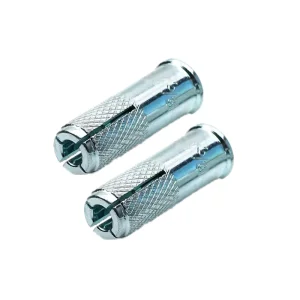
| Heavy-Duty Anchors | Carbon Steel (Zinc Plated) | Variable based on sleeve | N/A (Concrete install) | Infrastructure, railway structures, metro lines |
As sectors like electric vehicles (EV) and lightweight aerospace engineering scale up, the floating fastener market is evolving along three main technological lines:
Increased demand for recyclable, lead-free alloys (like lead-free brass C36000 and recycled grade aluminum) to align with global environmental mandates.
Using IoT-enabled sensors in installation presses to monitor squeeze force in real-time, preventing cracking or incomplete clinching.
As consumer electronics shrink, demand is growing for micro-floating fasteners (M2 and below) with excellent retention capabilities.
Answers to crucial engineering and logistics questions from professional procurement teams and structural engineers.
Explore heavy-duty marine-grade options, self-tapping anchors, non-standard brass hardware, and self-clinching panel standoffs.
 VLC Part