In modern structural engineering, anchoring solutions act as the critical link between structural concrete foundations and load-bearing steel components. Across global markets, from European heavy machinery foundations to high-velocity hurricane zones (HVHZ) in the Americas, structural mechanical anchors must meet strict tensile and shear load capacities. As skyscrapers climb higher and bridge spans grow longer, standard fasteners no longer suffice. Industry professionals require heavy-duty anchors manufactured to strict chemical composition metrics and structural load-bearing standards.
Currently, the global anchoring solutions market is driven by severe environmental challenges, complex geological constraints, and advanced engineering requirements. Today's commercial developments demand high-strength materials (such as grade 8.8, 10.9, and 12.9 carbon steel, alongside A2/A4 stainless steel or aerospace-grade titanium alloy structures) capable of resisting dynamic shear, seismic displacement, and wind load demands. Anchors must maintain their hold in cracked and uncracked concrete, precast slabs, structural masonry, and metal deck configurations, making material traceability a priority for modern EPC (Engineering, Procurement, and Construction) companies.
"True reliability in structural anchoring is not just about tensile strength; it is the science of micro-crystallography, precision machining, and predictable load transfer mechanisms in cracked concrete under severe environmental conditions."
Furthermore, environmental conditions like chemical exposure, seaside humidity, and industrial emissions require advanced anti-corrosion coatings. Zinc electroplating, hot-dip galvanizing (HDG), and fluoropolymer coatings (like PTFE or Xylan) are no longer optional upgrades—they are structural requirements for preventing electrochemical breakdown and mechanical failure.
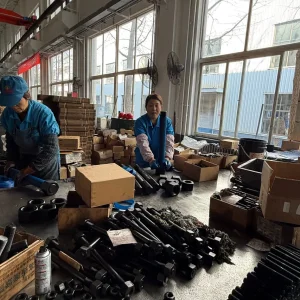
VLC is a leading bolts and screws manufacturer in China. With about 20 years of expertise in fasteners production and technology, we have an annual output of 10,000 tons of bolts, studs, screws, etc., especially hex bolts, structural bolts, and studs. Our factory leader started the first personally owned business in 2006, with a mission of becoming customers' first choice for fasteners manufacturers in China. Our integrated production facilities utilize advanced machinery, ensuring every batch meets international standards for quality, traceability, and high mechanical performance.
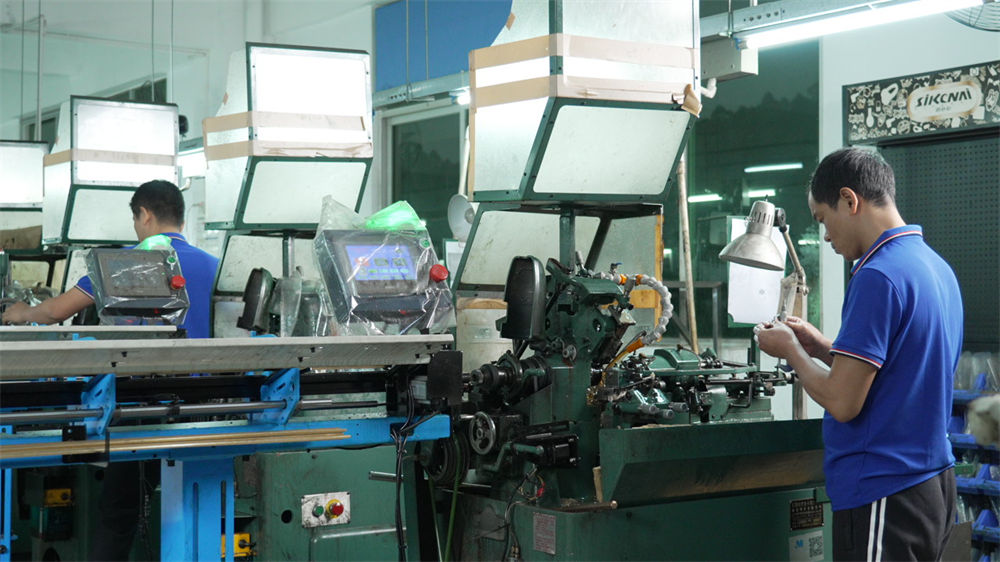
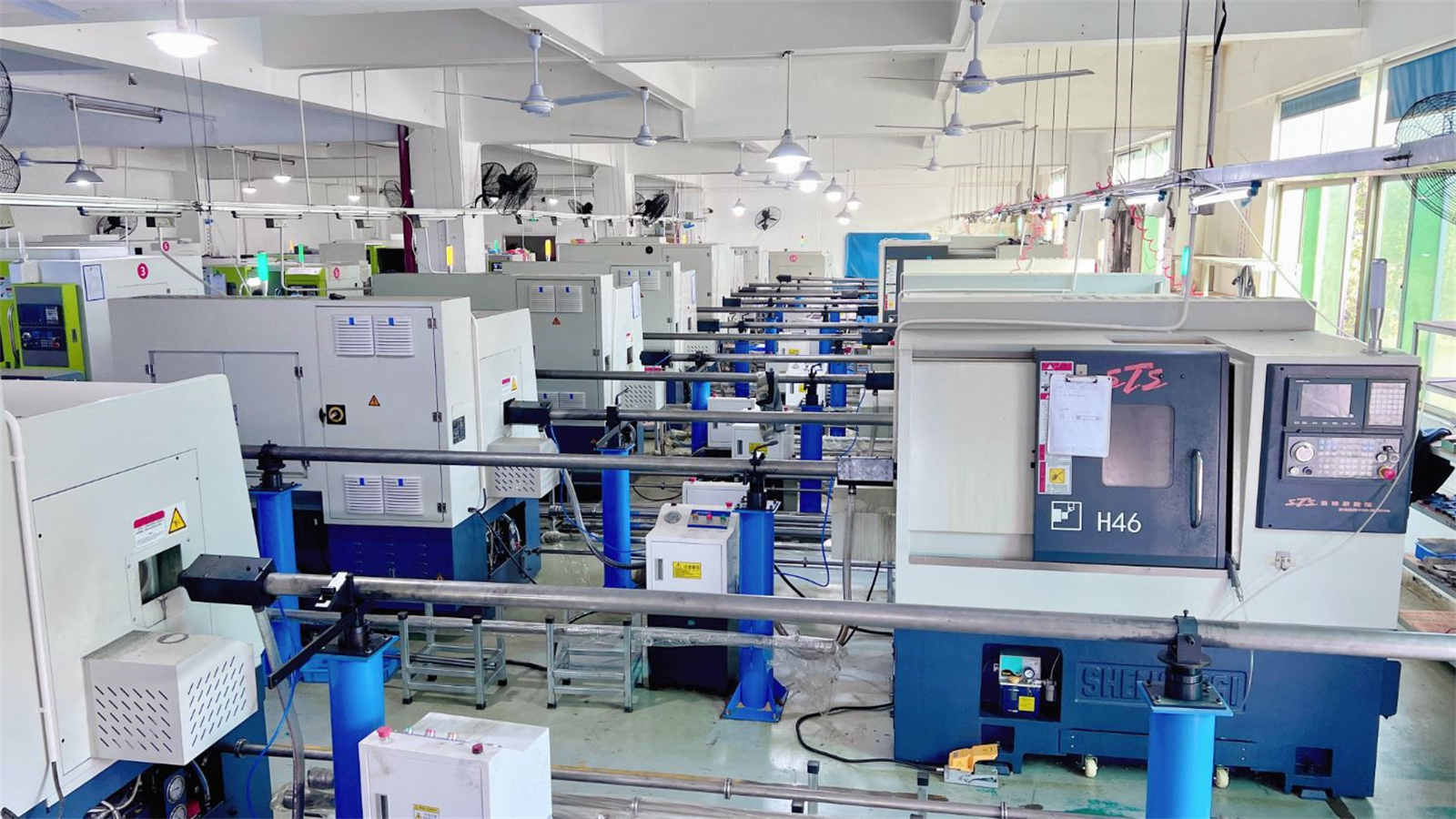
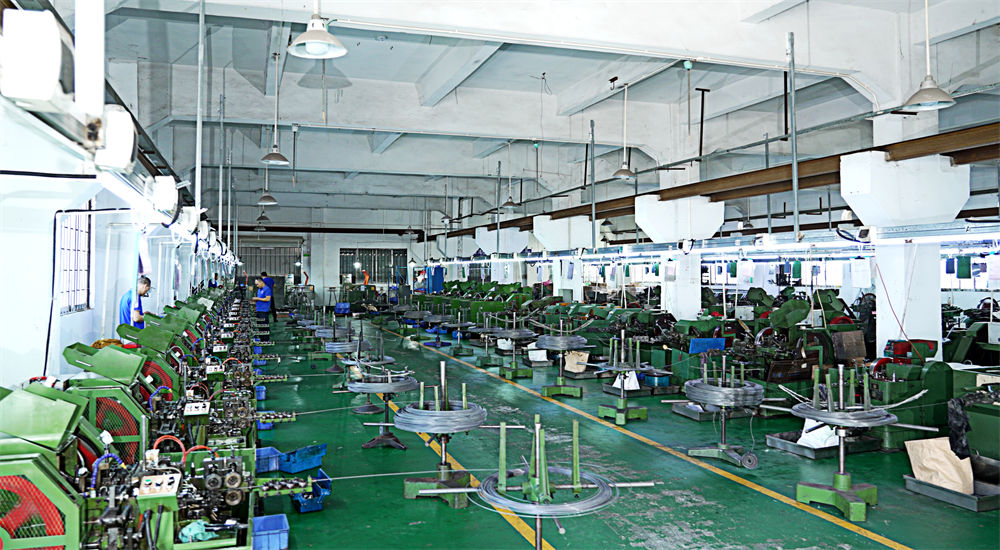
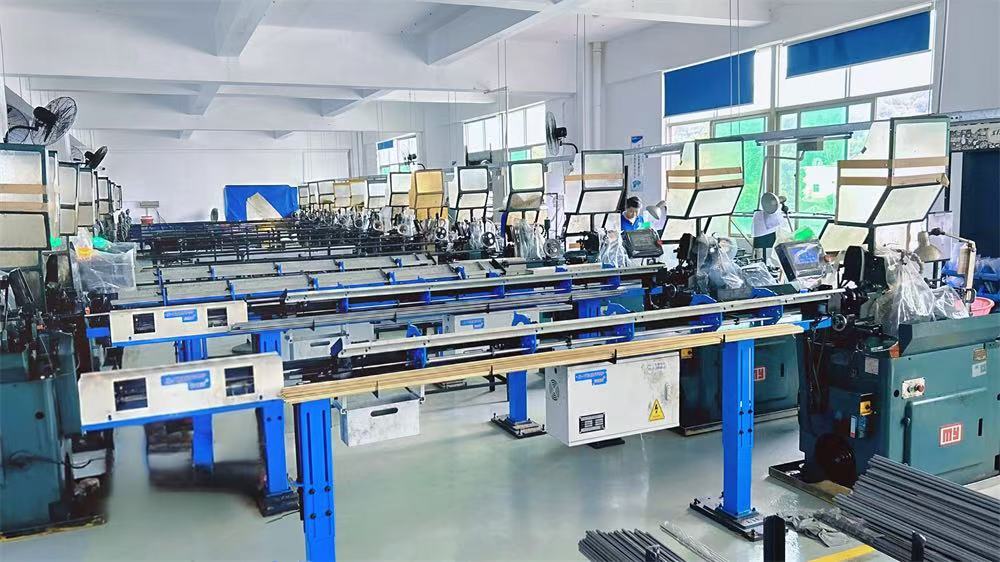
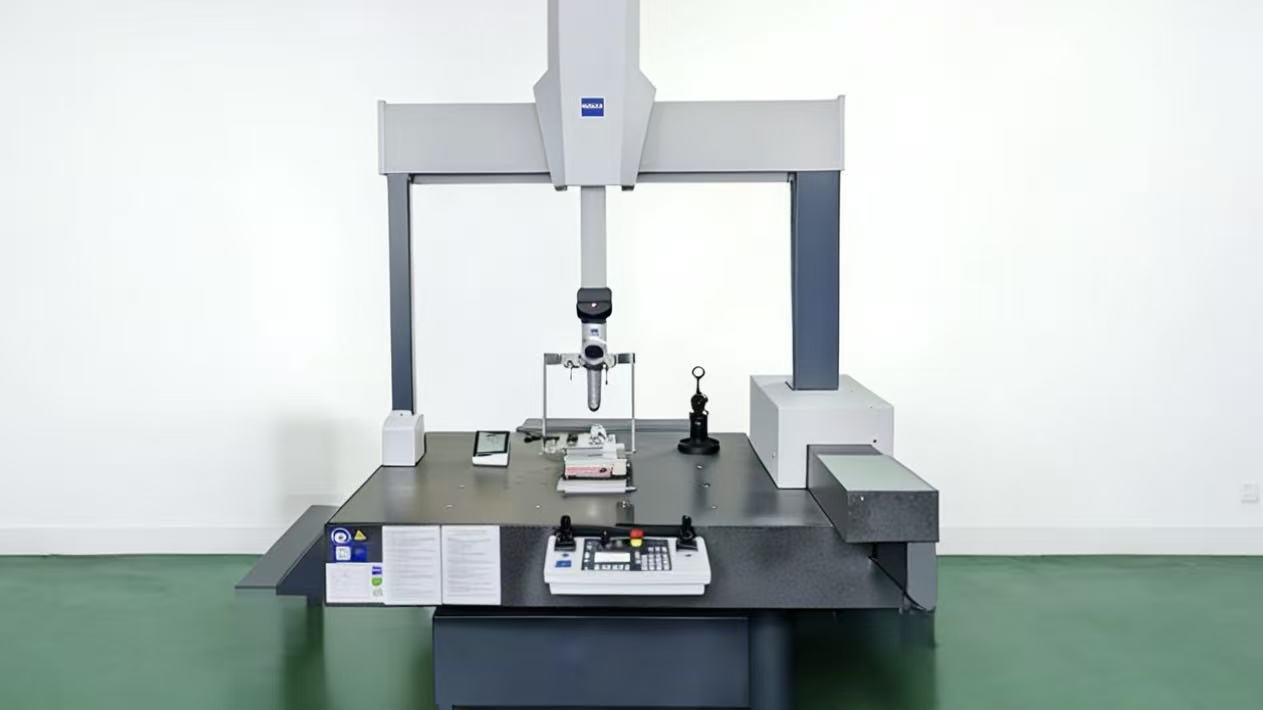
The manufacturing of heavy-duty anchoring systems is moving toward digitizing physical performance metrics and using clean, high-efficiency materials. Our technology roadmap highlights three core engineering trends that are reshaping global infrastructure development:
Integrating micro-electronic stress sensors into anchor bolt shafts to monitor real-time tension levels. This allows operators to track load changes on key support structures using wireless telemetry, enabling predictive maintenance before joint failures occur.
Developing eco-friendly coatings that avoid harmful hexavalent chromium, combined with high-grade titanium and duplex stainless steel alloys. These materials are engineered to withstand extreme corrosion in subsea offshore wind platforms and chemical processing systems.
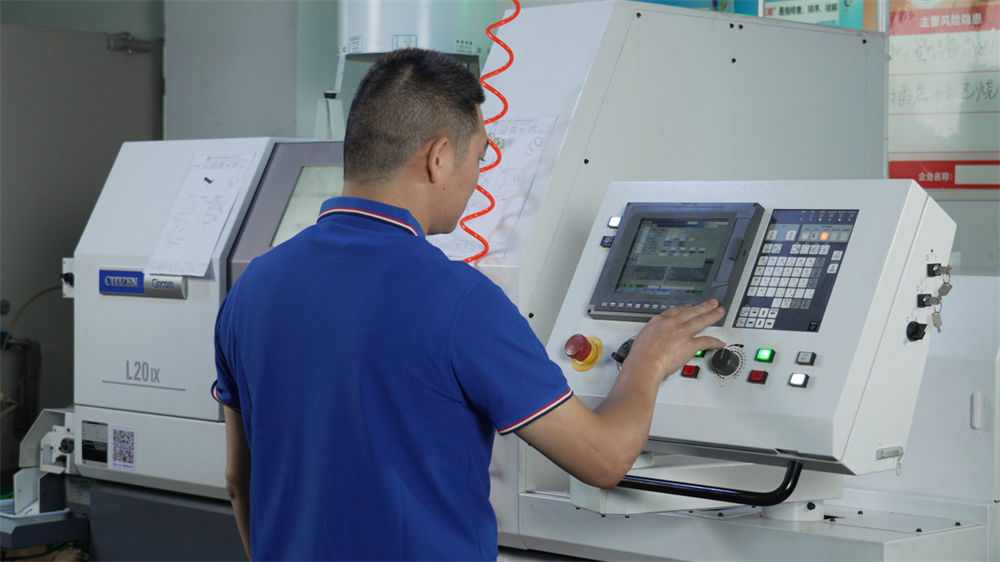
Refining our hot-forging and multi-station cold forming processes. Using heat treatment under precise computer control ensures uniform grain structure throughout the fastener, avoiding microscopic stress points and improving fatigue resistance under dynamic loads.
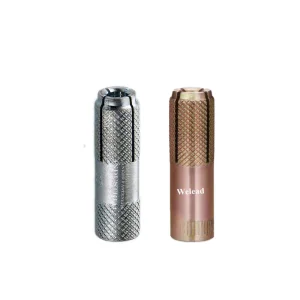
Concrete structures expand and contract over time, creating micro-cracks. Conventional anchor bolts can lose mechanical grip under these conditions. Our latest mechanical drop-in and heavy-duty sleeve anchors are designed to expand reliably into concrete fissures. They meet seismic categories C1 and C2, ensuring stable holding power even during earth tremors or high-vibration industrial events.
Industrial infrastructure project sites require unique fastening parameters depending on their operating environments. Rather than using generic products, engineers must match anchor specifications to the exact demands of their specific application.
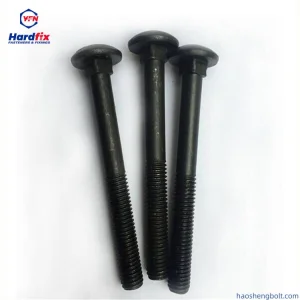
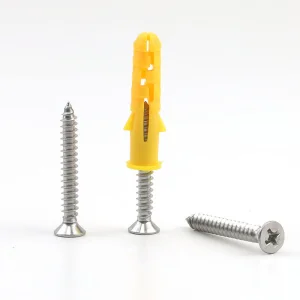
Securing curtain walls, dynamic glass facades, and structural stone panels requires durable, high-strength fasteners. Flat-head carriage bolts and concrete expansion anchors manage the shear forces generated by strong wind gusts against tall buildings.
Industrial machinery, manufacturing mills, and automated production systems generate constant vibration. Standard anchors can loosen under these forces. Our custom carbon steel threaded studs and multi-point sleeve anchors maintain clamp load, keeping machinery aligned and stable.
Saltwater and high moisture create highly corrosive environments. Marine and harbor structures use our marine-grade A4 stainless steel and titanium anchor studs to resist pitting corrosion, preventing failure in splash zones and submerged environments.
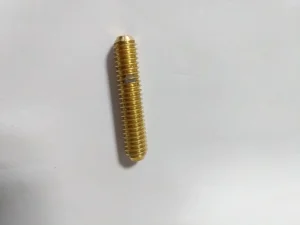
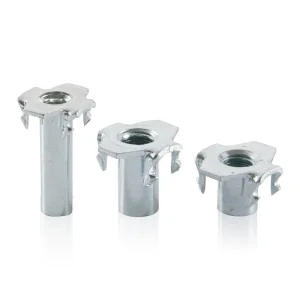
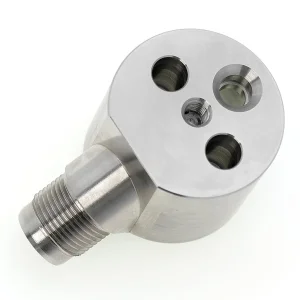
For architectural fittings and high-end consumer products, our CNC-machined brass components and multi-prong T-nuts combine structural integrity with clean aesthetics. This ensures strong joints in woodwork and cabinetry while maintaining a high-quality finish.
 VLC Part