Explore our engineered product portfolio designed to operate under severe stress, temperature extremes, and demanding mechanical profiles.
In high-vibration, high-torque, and structural load-bearing assemblies, mechanical joint integrity is paramount. While standard threaded fasteners rely purely on frictional tension, weld nuts offer a permanent, metallurgical integration with the parent substrate. By fusing the nut directly to the sheet metal component, engineers eliminate the risk of thread stripping, loose connections, and structural failure. As industrial demands transition toward lightweight materials and automation-heavy assembly lines, selecting the right weld nut design (projection vs. pilot, hex vs. square) is no longer a secondary consideration but a core design criteria.
As a primary globally recognized fastener authority, VLC parts leverages two decades of metallurgical, cold-forming, and precision CNC processing expertise to engineer high-integrity weld nuts. Whether it is carbon steel furniture welding nuts, automotive chassis fasteners, or specialty high-temperature alloy connectors, our production methodologies ensure dimensional uniformity, superior weldability, and exceptional resistance to push-out and torque-out forces.
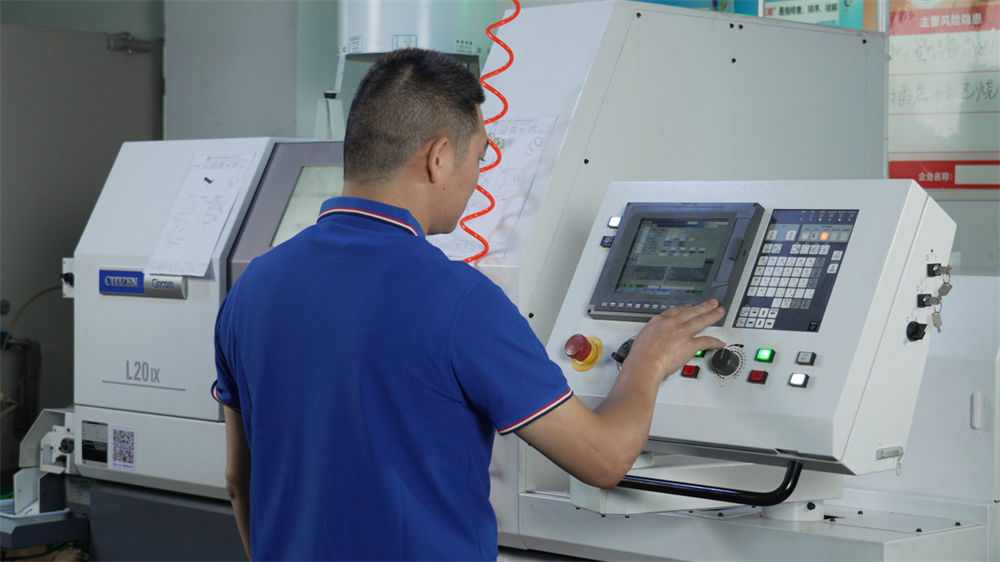
VLC is a leading bolts and screws manufacturer in China. With about 20 years of expertise in fasteners production and technology, we have an annual output of 10,000 tons of bolts, studs, screws, etc., especially hex bolts, structural bolts, and studs. Our factory leader started the first personally owned business in 2006, with a mission of becoming customers' first choice for fasteners manufacturers in China. Today, our advanced facility runs complete cold heading, thread rolling, and CNC machining processes that consistently deliver components meeting ISO, DIN, ANSI, and custom customer drawings.
Different manufacturing sectors face unique structural challenges. VLC manufactures targeted designs optimized for specific industrial stresses.
In modern automotive engineering, crash safety and weight optimization are paramount. Weld nuts are deployed within vehicle frames, seat mounts, chassis linkages, and EV battery enclosures. The projection weld creates a unified joint capable of absorbing severe energy during impacts without dislodgement, protecting sensitive cells and structural integrity.
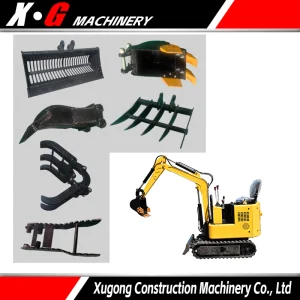
Earthmoving machines, excavators, and agricultural equipment operate in continuous vibration cycles. Through precision heat-affected zone (HAZ) control during projection welding, VLC's weld nuts withstand extensive dynamic loads, preventing joint relaxation and maintenance downtime.
From white goods to large-scale ducting, internal threads must remain accessible even when backing plates are unreachable. Tab weld nuts and square weld nuts provide blind-side thread access in sheet metal cabinets and server racks, simplifying final product assembly.
To maintain reliability under load, weld nuts must be manufactured from materials that exhibit low carbon equivalent values to prevent welding embrittlement, yet possess high core hardness to ensure high load bearing. Carbon steels like 1008, 1010, or 1018, and stainless steel variants (304, 316) represent the industry standard.
Optimized for high-strength projection welding. Usually supplied plain or copper-plated to facilitate optimal electrical conductivity and minimize spatter build-up inside the threads.
Engineered for corrosive environments, such as chemical facilities, maritime structures, and outdoor architectural fixtures. Resists oxidation and scale formation under weld heat.
Designed for specialty applications such as exhaust systems and heavy industrial furnaces where temperatures exceed the thresholds of standard carbon steels.
VLC offers custom sizing, pilots, projection heights, and thread profiles to meet specific customer requirements and match automated feeding systems.
During the welding process, projection design is critical. Projections serve to localize the electrical current, melting the metal at designated contact points to fuse the nut to the panel with minimal heat disruption. If projections are inconsistent, weak welds, spatter, or thread distortion occur. VLC's strict manufacturing control ensures projection geometry is uniform within micrometers across all production batches.
Our capability to produce high-tolerance custom fasteners and weld nuts lies in our diverse manufacturing ecosystem. By using automated cold-heading machines along with precision secondary processing, VLC guarantees consistency and structural performance.
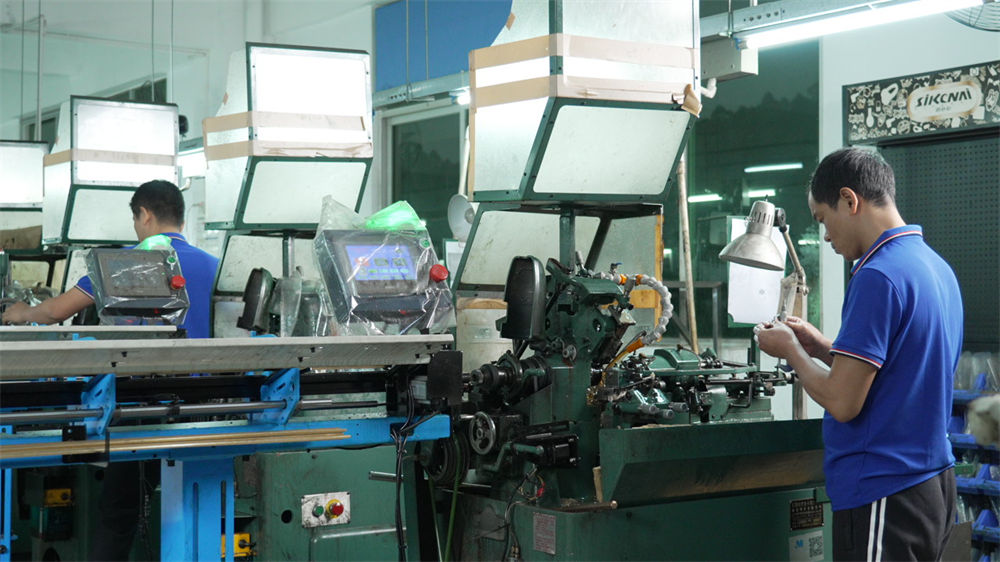
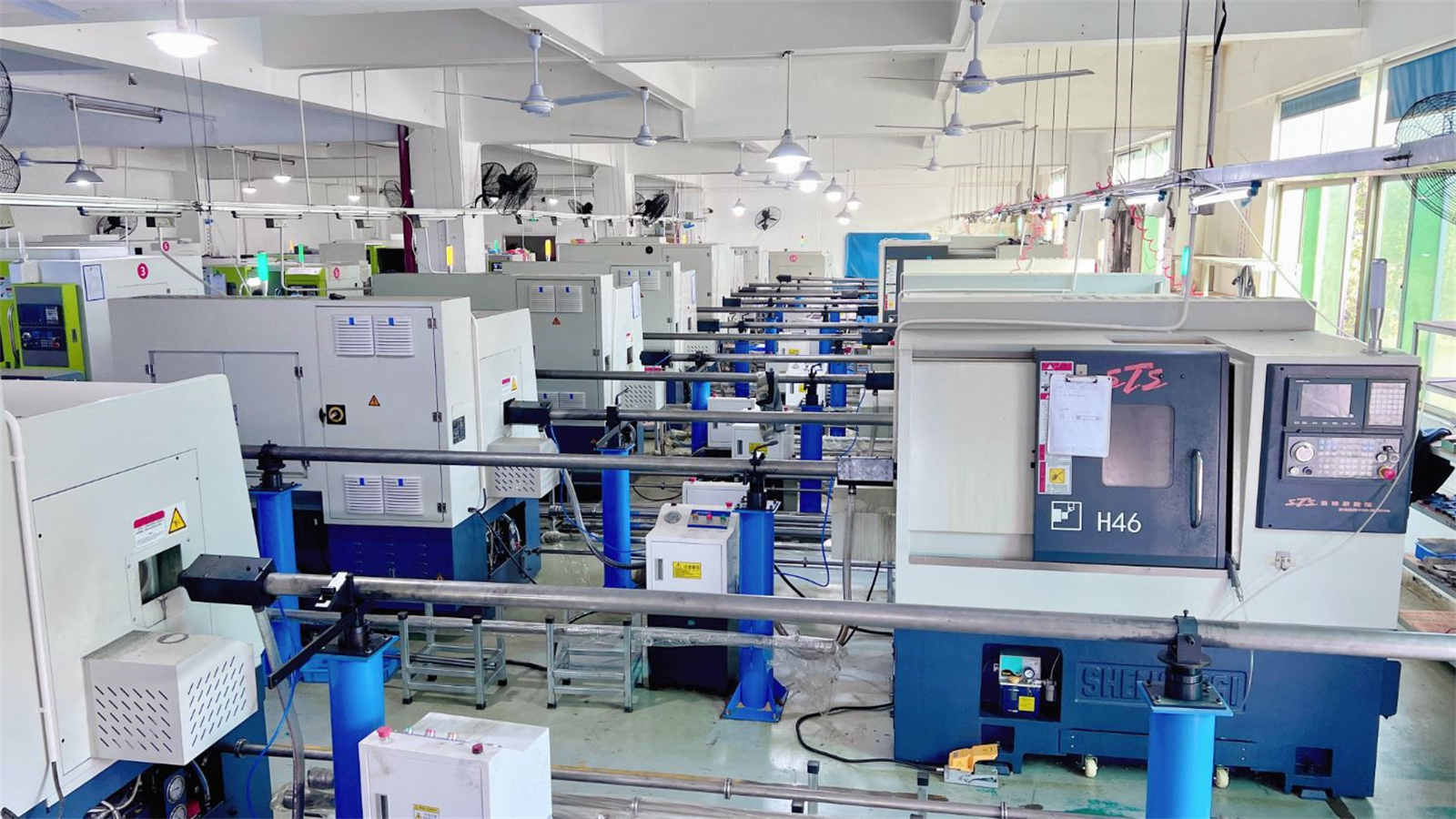
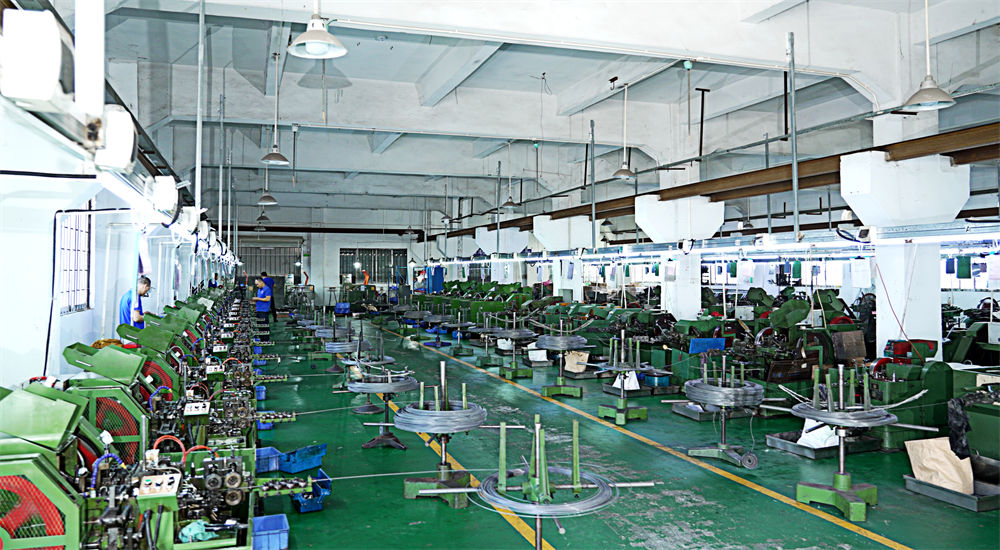
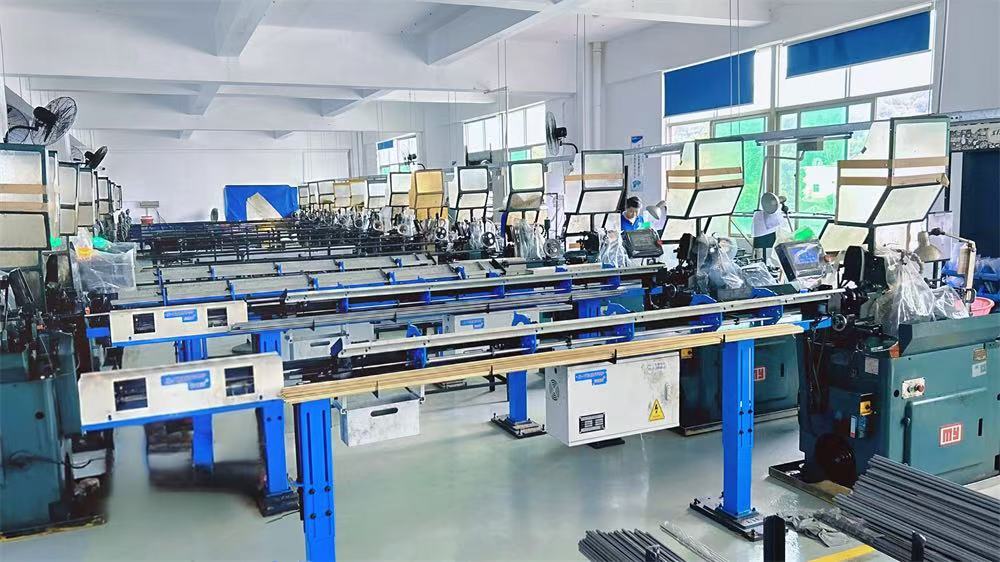
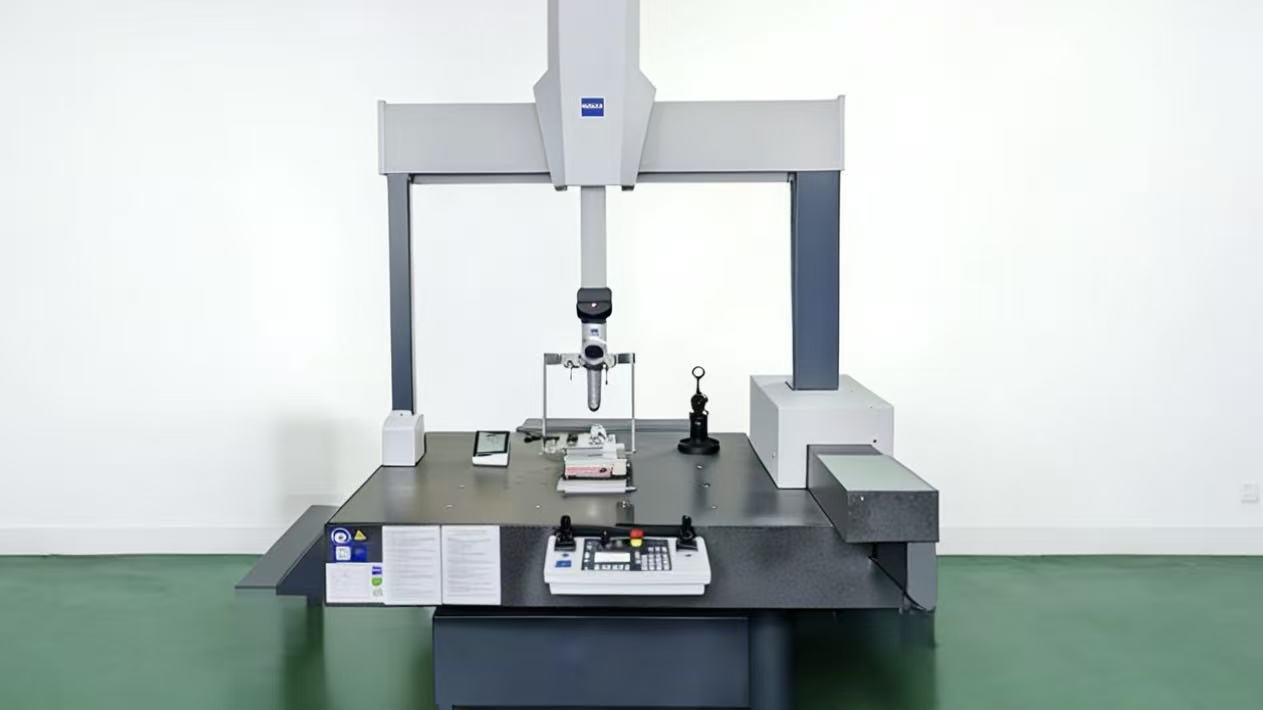
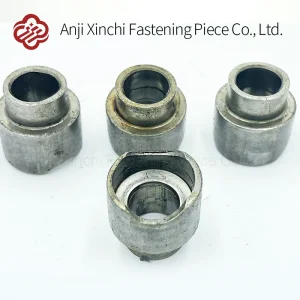
For standard shapes (like DIN 929 hex weld nuts or DIN 928 square weld nuts), cold forming provides excellent material yield and high-speed production. However, for specialized non-standard fasteners (e.g., custom flange diameters, deep pilots, or unique alloys), our CNC machining division offers precise dimensional control. Our lathe processes ensure that internal thread alignments, concentricity, and flange thicknesses match customer requirements, facilitating seamless operation in automatic nut feeders.
Procuring industrial fasteners on a global scale requires strict compliance with regional manufacturing standards and logistics frameworks. VLC supports buyers with comprehensive testing protocols and documentation.
All VLC fasteners conform to ISO, DIN, ASME, and SAE guidelines. We offer certified compliance under European RoHS and REACH directives, ensuring that no banned materials or finishes (such as hexavalent chromium coatings) are used.
To support automotive clients, VLC provides Level 3 PPAP (Production Part Approval Process) packages, including material heat certification, hardness testing reports, and push-out / torque-out validation documentation.
By partnering with logistics networks across North America, Europe, and Asia-Pacific, VLC supports buffer stock programs, custom kitting, and localized delivery timelines, reducing supply chain delays for our global partners.
The industrial fastener landscape is evolving rapidly to match developments in lightweight alloys and automated manufacturing. Below is VLC's technological roadmap designed to address these upcoming industry needs.
Traditional plating can degrade during projection welding, causing weld contamination or toxic fumes. VLC is currently testing thin-film organic and inorganic protective coatings that provide corrosion protection without compromising the weld joint's electrical conductivity.
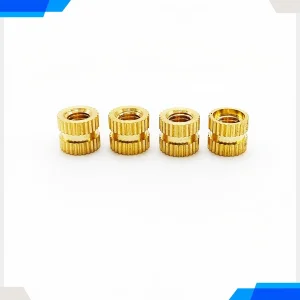
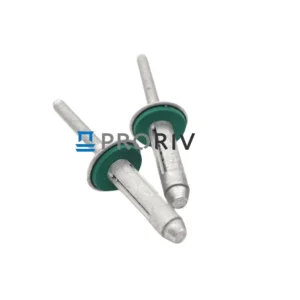
As global industries transition toward mixed-material structures (e.g., aluminum panels joined to steel frames), we are developing optimized mechanical fasteners like self-piercing nuts and custom insert nuts designed for high-stress aluminum applications.
Even minor dimensional deviations can cause feed jams on automated assembly lines. VLC utilizes optical sorting systems with laser micrometer inspection to achieve near-zero defect rates (below 50 PPM) for automated applications.
Get technical insights on selecting, installing, and optimizing weld nuts for heavy-duty assemblies.
Our complete manufacturing range features high-strength structural fasteners, specialty high-temperature alloys, and marine-grade components.
 VLC Part