Choosing fasteners for electrical applications is a critical task. It requires careful consideration of safety and reliability. As expert John Anderson once said, "The strength and quality of fasteners can make or break an electrical project." This insight highlights the importance of choosing the right components.
When selecting fasteners, one must assess their materials and certifications. Not all fasteners are created equal. Inappropriate choices can lead to failures or electrical hazards. Look for corrosion resistance and suitable tensile strength. Moreover, understanding specifications is essential. The correct size and type can greatly influence performance.
Making informed decisions is vital in ensuring long-term safety. Consider engaging with experienced professionals in the field to gain deeper insights. Pay attention to the nuances in fastener design and their compatibility. Reflection on past choices can reveal areas for improvement. This approach is crucial in mastering how to choose safe and reliable fasteners for electrical use.
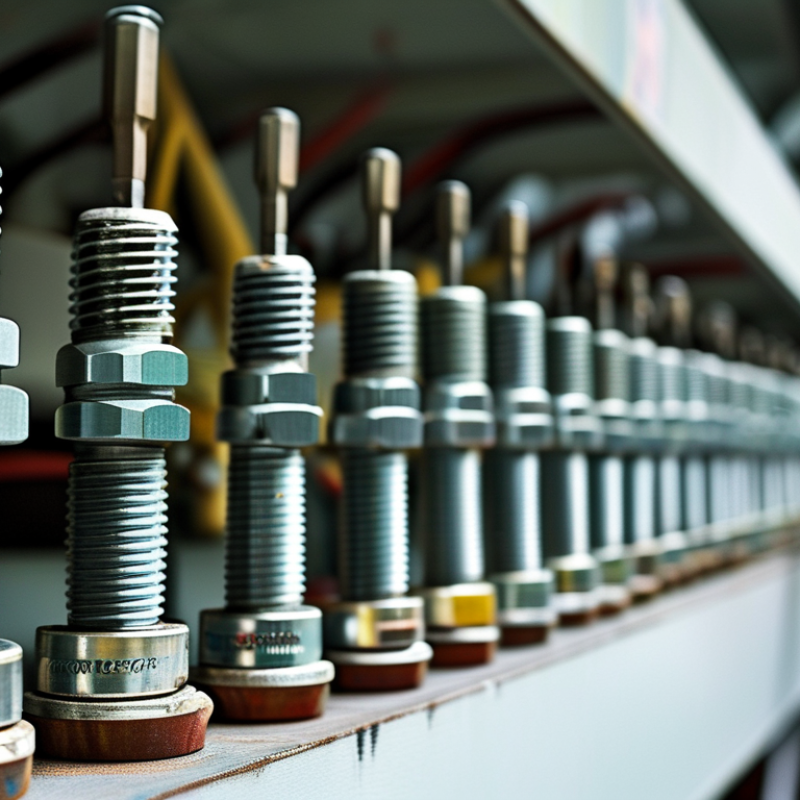
When selecting fasteners for electrical applications, several key factors must be considered. Material choice is critical. Fasteners should be made of corrosion-resistant materials, especially in environments with moisture or humidity. Stainless steel and Nylon are popular options, providing durability and electrical insulation.
Size and strength are also essential. Ensure the fasteners can handle the electrical loads without risk of failure. Using the wrong size can lead to loose connections, which pose safety hazards. Think about the environment, too. High temperatures can weaken certain materials, impacting reliability.
Don’t overlook the installation process. Improper installation can lead to compromised integrity of the electrical system. Choose fasteners that are user-friendly and compatible with your tools. Reflecting on previous experiences with failures can guide better decisions. Be open to learning from past mistakes to ensure future success.
When selecting fasteners for electrical systems, understanding the types available is crucial. Common options include screws, bolts, and anchors. Each serves a specific purpose and may have unique properties.
Screws, for instance, are great for securing light fixtures. They provide a strong grip and are easy to install.
Bolts are often used for heavy-duty applications. They offer more strength and work well in structural settings. However, proper sizing is essential. An incorrectly sized bolt can lead to failures.
Anchors, on the other hand, work well in concrete or drywall applications. They help hold devices securely in place.
Choosing the right fastener requires understanding material compatibility. Stainless steel is corrosion-resistant but may not be suitable in all situations. Plastic fasteners can be lighter, but their strength may vary. Always consider the environment in which these components will be used. Reflecting on the potential for wear and tear over time is important. Fasteners must endure stresses without compromising safety.
When selecting fasteners for electrical applications, evaluating material properties is crucial. The right material ensures safety and reliability, reducing risks in electrical systems. According to the Electrical Safety Foundation International, improper fastener use is a common hazard in electrical installations.
Consider corrosion resistance. Fasteners may face harsh environments. Stainless steel and brass are often more resistant to rust and degradation. This enhances longevity. However, not every project needs the highest grade. Sometimes, standard options suffice.
Look at tensile strength too. It measures how much load a fastener can handle. The American Institute of Steel Construction notes that choosing the right grade can prevent failures. Pay attention to specifications. Match them to your electrical demands.
Always review the fastener's conductivity. Non-conductive materials can avert short circuits. Many professionals overlook this aspect, focusing solely on strength. Evaluate carefully. The life expectancy of your electrical system often hinges on these choices.
When selecting fasteners for electrical applications, the importance of certifications and standards cannot be overstated. Certified fasteners undergo rigorous testing, ensuring they meet industry requirements. This assurance enhances safety and reliability, which are crucial in electrical installations. For example, fasteners that comply with specific standards are less likely to fail under stress or over time.
The presence of certifications also reflects a manufacturer's commitment to quality. These certifications are not merely bureaucratic stamps; they indicate proven performance. However, it’s essential to scrutinize the certifications. Sometimes, manufacturers may claim compliance without adequate backing. This can lead to potential hazards in electrical settings.
It is also valuable to remember that not all fasteners are created equal. In demanding environments, even a small inconsistency in a fastener can lead to significant failures. Awareness of material composition and its ratings is vital. Fasteners should withstand heat, corrosion, and other environmental factors. Thus, choosing certified fasteners goes hand in hand with understanding their limitations. Each project has unique challenges, so continuous education on fasteners and their standards is advisable.
When installing electrical fasteners, proper techniques are crucial. Using torque tools helps ensure secure connections. According to the NEMA, improper fastening leads to 30% of electrical failures. Regular checks for tightness can reduce this risk significantly.
Maintenance plays an essential role in the longevity of fasteners. Corrosion remains a common issue, particularly in humid areas. A 2019 report by the ASME indicated that around 25% of electrical issues stemmed from corroded fasteners. To combat this, applying anti-corrosive coatings during installation can be beneficial.
User training is often overlooked but vital. Many technicians are unaware of the importance of using compatible materials. It is essential to educate teams about the specific materials best suited for different environments. This understanding can dramatically enhance the reliability of electrical connections and overall safety.
: Corrosion-resistant materials are key. Stainless steel and nylon are popular for their durability and insulation.
Size impacts strength. Incorrect sizes can lead to loose connections and safety risks.
High temperatures can weaken materials. Consider how fasteners will perform in specific environments.
Improper installation can compromise the electrical system's integrity. This needs careful attention.
Common types include screws, bolts, and anchors, each serving specific roles in installations.
Material compatibility matters. The wrong choice can cause failures over time, putting safety at risk.
Past experiences with failures can inform better choices. Learning from mistakes is essential.
Screws secure light fixtures effectively due to their strong grip and installation ease.
Bolts are used in heavy-duty applications, offering more strength. Size must be correct to avoid issues.
They’re lighter but may lack the necessary strength for certain applications and environments.
When considering how to choose safe and reliable fasteners for electrical use, it is essential to evaluate several key factors. Start by assessing the specific requirements of your electrical application, including load, environment, and compatibility with other materials. Understanding the different types of fasteners available and their appropriate uses is crucial, as it helps to ensure that the selected fasteners can withstand the demands of electrical systems.
Material properties play a significant role in determining the safety and reliability of fasteners, so selecting materials that offer corrosion resistance and high mechanical strength is vital. Additionally, checking for relevant certifications and standards can provide assurance of quality and compliance with industry regulations. Finally, adhering to best practices for the installation and maintenance of electrical fasteners will enhance their performance and longevity, ensuring a safe electrical system.
