In the world of heavy-duty applications, ensuring fastener strength is crucial. Fasteners are often the backbone of structural integrity in construction, automotive, and heavy machinery industries. According to a report by the International Fastener Expo, nearly 30% of failures in heavy machinery are attributed to insufficient fastener strength. This statistic highlights the importance of understanding how to ensure the strength of fasteners for heavy-duty use.
Fasteners must withstand extreme conditions. High stress, temperature variations, and environmental factors can weaken them over time. Engineering specialists recommend using materials like high-strength steel and specialized coatings for enhanced durability. The American Society of Mechanical Engineers emphasizes that proper design and installation directly impact fastener performance. However, many overlook maintenance, which can lead to premature failures and costly repairs.
The importance of quality control cannot be overstated. Studies reveal that approximately 15% of fasteners in the market do not meet the required specifications. This lack of adherence can compromise safety in critical applications. By staying informed about best practices and utilizing reliable data, industry professionals can make confident decisions to fortify their projects against potential failures.
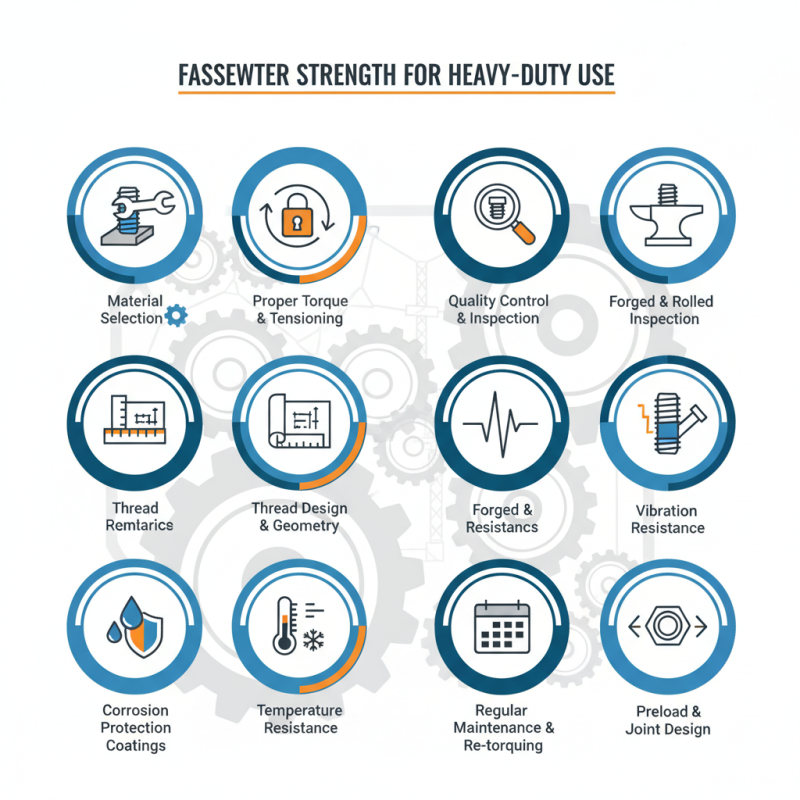
Understanding fastener strength is essential for heavy-duty applications. Several key factors influence this strength. Material selection plays a significant role. Stronger materials, like alloy steel, can withstand heavy loads better than weaker ones. Another consideration is the fastener design. The shape and thread type impact load distribution and overall performance.
To enhance fastener strength, proper installation techniques are crucial. Over-tightening can weaken a joint. Conversely, under-tightening may lead to failure under stress. Always refer to torque specifications for guidance. Regular inspections are vital as well. look for signs of wear or corrosion. These factors can compromise the integrity of fasteners.
Selecting the right coating can also improve strength. Coatings provide corrosion resistance, enhancing durability. Pay attention to environmental factors, too. Conditions like humidity and temperature can affect material performance. Making informed choices in fastener selection ensures reliable performance.
Selecting the right materials for heavy-duty fasteners is crucial. Steel often comes to mind due to its strength and durability. However, not all steel is created equal. High-strength alloys can withstand significant loads, while stainless steel offers corrosion resistance. Consider the environment where the fasteners will be used. In humid or coastal settings, corrosion can be a major issue. Choosing the wrong material can lead to failure, compromising safety and performance.
Moreover, consider the fastener's application. For dynamic loads, materials with high tensile strength are essential. This ensures that the fasteners will not deform under pressure. Plastic composites are an option for lightweight applications, but they may not handle heavy loads well. Reflecting on past projects may reveal failures when inappropriate materials were chosen. Each application has specific requirements; understanding these can lead to better outcomes.
Finally, pay attention to surface treatments. Coatings can enhance durability and reduce wear. However, some coatings may weaken the bond. Testing different materials in your specific context can provide valuable insights. Rely on expert opinions, but don't shy away from personal experiences. Every project is a learning opportunity, and material selection is a critical aspect that should never be overlooked.
When it comes to heavy-duty applications, proper installation techniques are crucial for maximizing load-bearing capacity. According to a recent industry report, improper fastening can lead to a failure in up to 30% of installations. This statistic highlights the importance of applying the right torque during the installation process. Inadequate torque may allow components to loosen over time, compromising strength. Conversely, over-torquing can cause material deformation, leading to potential structural failure.
Moreover, selecting the appropriate fasteners for the job is essential. Fasteners must be compatible with the materials being joined. For instance, a study showed that mismatched materials can reduce strength by as much as 50%. It's vital to consider factors such as material properties, environmental conditions, and load types. Implementing techniques like pre-tensioning and ensuring proper alignment can further enhance the integrity of the fastening system. However, even with precautions, installation errors can occur. Regular inspections and maintenance play a key role in sustaining the strength of fasteners over time.
| Tip Number | Tip Description | Recommended Fastener Type | Installation Technique | Load Capacity (lbs) |
|---|---|---|---|---|
| 1 | Choose the Right Material | Grade 8 Steel | Torque Wrench Application | 1200 |
| 2 | Use the Correct Diameter | Stainless Steel | Pre-drill Holes | 1000 |
| 3 | Ensure Proper Thread Engagement | Alloy Steel | Using Lock Washers | 1500 |
| 4 | Avoid Over-tightening | Carbon Steel | Hand Tighten, then Torque | 1100 |
| 5 | Use Anti-corrosion Coatings | Zinc Plated | Apply Lubricants | 1300 |
| 6 | Regular Maintenance Checks | HVAC Bolts | Routine Inspections | 900 |
| 7 | Select the Right Fastener Length | Nail Bolts | Measure Material Thickness | 1250 |
| 8 | Use Washers for Added Support | Flat Washers | Install with a Socket Wrench | 1400 |
| 9 | Check for Compatibility | Aluminum Fasteners | Use Soft Tools | 800 |
| 10 | Follow Manufacturer Guidelines | Custom Fasteners | Refer to Technical Manuals | Varies |
Regular maintenance is essential to ensure fastener integrity, especially in heavy-duty applications. Inspecting fasteners regularly can prevent unexpected failures. Look for signs of wear, rust, or corrosion. These can significantly weaken fasteners. Using proper tools for inspections will enhance accuracy. Sometimes, even minor damage can compromise strength.
Tightening fasteners to the recommended torque is vital. Uneven pressure can lead to loosening over time. Schedule periodic re-torquing to maintain the desired strength. Environmental factors also play a role. Humidity can lead to corrosion, while extreme temperatures can affect material properties.
Documenting maintenance practices can reveal patterns over time. These insights may highlight recurring issues. Consider implementing a checklist for inspections. This can make the process systematic. While it requires effort, it's crucial for ensuring safety and reliability. Fasteners are often overlooked, yet they must not be neglected.
Testing and certification standards play a crucial role in ensuring the strength and reliability of heavy-duty fasteners. These fasteners must withstand significant stress and loads during operation. Therefore, adherence to rigorous testing standards is non-negotiable. Organizations like ASTM and ISO provide specific guidelines that manufacturers should follow. Their standards encompass tensile strength tests, fatigue tests, and corrosion resistance evaluations.
During the testing process, each fastener is subjected to extreme conditions. The results reveal whether a fastener can perform under intense pressures. Inspectors often find discrepancies in fastener performance versus specifications. Such findings highlight the importance of thorough testing. Certification can only be granted if all criteria are met. This assures end users of the product’s integrity.
However, not all manufacturers comply with these standards. Some opt for shortcuts, which can compromise safety. Regular audits and inspections are essential to prevent such lapses. Heavy-duty applications often involve critical components, where failure is not an option. Reliable fasteners save time and costs while enhancing safety. Therefore, investing in proper testing and certification is essential for every business involved in heavy-duty applications.
: Fastener strength is crucial for ensuring reliable performance under heavy loads.
Stronger materials, like alloy steel, perform better than weaker options in heavy-duty scenarios.
The shape and thread type influence load distribution, impacting overall fastener strength.
Proper installation prevents over-tightening and under-tightening, both of which can weaken joints.
Inspections help identify wear or corrosion, which can compromise fastener strength over time.
Coatings provide corrosion resistance, which can improve the durability of fasteners in harsh environments.
Corrosion resistance is critical; choosing the right material can prevent failures in such conditions.
Testing ensures fasteners meet strength and reliability standards, preventing potential failures in critical applications.
Standards typically include tensile strength tests, fatigue tests, and corrosion resistance evaluations.
Skipping rigorous testing can compromise safety and lead to costly failures in heavy-duty applications.
When considering how to ensure the strength of fasteners for heavy-duty use, it is essential to understand the key factors that influence fastener strength. This includes selecting the correct materials that can withstand high loads and environmental conditions, alongside implementing proper installation techniques to optimize load-bearing capacity. Regular maintenance practices play a critical role in ensuring fastener integrity, as they help identify potential weaknesses before they lead to failure.
Additionally, adhering to testing and certification standards for heavy-duty fasteners will provide assurance of their reliability and performance under demanding conditions. By focusing on these aspects—material selection, installation, maintenance, and compliance with standards—users can significantly enhance the longevity and effectiveness of fasteners in heavy-duty applications.

VLC Part