What Precautions to Take When Buying Furniture Fasteners?

Time:2026-06-13 Author:Oliver
0%

When selecting furniture fasteners, understanding the risks involved is crucial. Experts in the field advise taking specific precautions. John Smith, a certified furniture design expert, once stated, "Choosing the right fasteners can make or break your furniture's stability." This highlights the importance of making informed decisions.

What precautions should be taken when buying furniture fasteners? First, consider the type of material you'll use. Metal fasteners differ significantly from wooden ones. Their durability and strength vary greatly. Additionally, think about the weight the fasteners will support. Do not overlook the size and length, as they affect stability.

Another consideration is the supplier's reputation. Research and read reviews to gauge reliability. Experienced builders suggest investing time in finding trusted brands. Remember to check certifications that ensure product quality. These steps might seem minor, but they are crucial for your furniture's longevity. Ignoring them could lead to inconvenient and costly repairs.
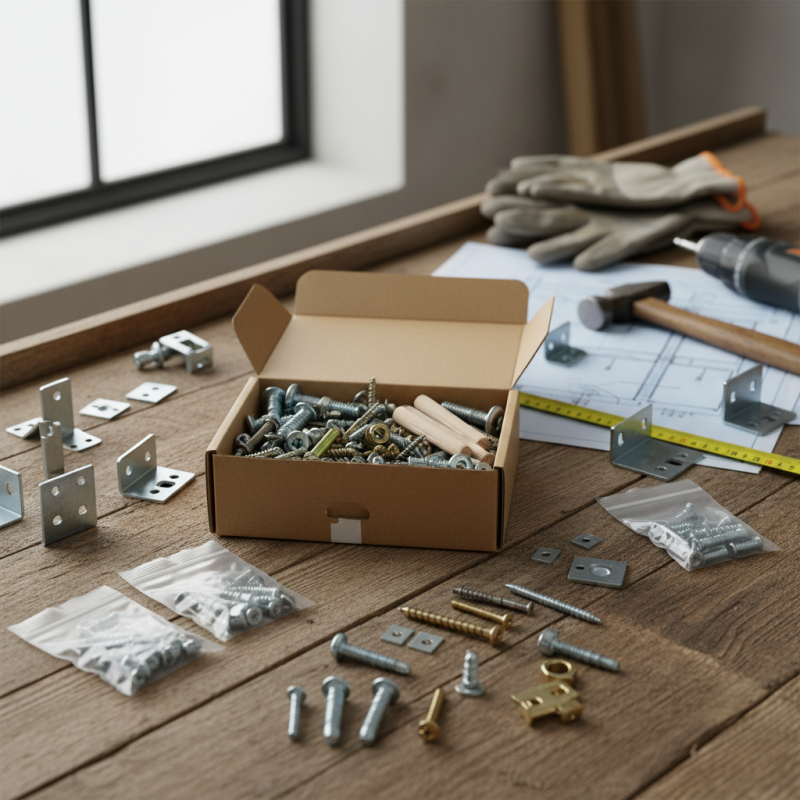
What Precautions to Take When Buying Furniture Fasteners?

Understanding Different Types of Furniture Fasteners and Their Uses

When choosing furniture fasteners, it's essential to know the different types and their specific uses. Common fasteners include screws, bolts, dowels, and nails. Each serves a unique function. For example, screws provide a strong hold for wood joints, while dowels ensure precise alignment between pieces. Fasteners can also affect the durability of your furniture. Opting for high-quality materials is crucial.

Improper fastener selection may lead to structural failures. Many assume that any fastener will suffice for any application. This is a misconception that can compromise safety. For softwood, you might choose wood screws; for heavy-duty applications, bolts are a better choice. Always consider the load and stress on the joints. Remember, a little extra research in this area can prevent future issues.

In addition to understanding types, note the environmental factors at play. Humidity and temperature changes can affect wooden furniture. In such cases, select fasteners that can expand and contract. This flexibility can prevent damage over time. Pay attention to your furniture's needs. Sometimes, even minor mistakes in fastener choices require costly repairs. Always reflect on your decisions and ensure they align with the intended use of your furniture.

Key Factors to Consider When Selecting Furniture Fasteners

When selecting furniture fasteners, it's crucial to consider several key factors. The material of the fastener plays a vital role in its durability and performance. For instance, stainless steel fasteners resist rust and corrosion, making them suitable for various environments. On the other hand, plastic fasteners offer a lighter alternative but may not provide the same strength.

Tips: Always check the fastener's weight capacity. Underestimating this can lead to issues down the line. Pay attention to thread types, as they can affect how securely the fasteners hold over time.

Another important factor is the size of the fastener. A fastener that is too short may not hold properly, while one that is too long could damage the furniture. It's often helpful to consider how the fastener interacts with the materials you're using. Different materials may require distinct types of fasteners for optimal performance.

Tips: Don't skip on testing a few fasteners before finalizing your choice. Experimenting can reveal unexpected issues. Always verify what you need for your specific project, as overlooking these details can lead to construction headaches later.

Evaluating Material Quality and Durability of Fasteners

When evaluating furniture fasteners, material quality is crucial. The strength and durability of fasteners directly affect the stability of your furniture. Common materials include steel, brass, and plastic. Steel is robust and resistant to bending. Brass, while less strong, offers corrosion resistance. Plastic can be lighter but may lack durability for heavy-duty use.

Tips: Check the manufacturer's specifications. Inspect fasteners for any signs of rust or degradation. High-quality finishes often indicate better durability.

Another important factor is the appropriate fastener type. Wood screws, bolts, and dowels all have different uses. For example, wood screws are ideal for assembling wooden furniture. However, they can strip easily if over-tightened. In contrast, bolts provide more support for larger pieces but require careful installation.

Tips: Always match the fastener type to the furniture material. Consider weight and usage when selecting. Research best practices for installation.

Safety Considerations When Using Furniture Fasteners

When considering furniture fasteners, safety is crucial. Proper selection and use can prevent accidents and damage. Cheap fasteners may save money but could compromise safety. Always prioritize quality over cost. Look for fasteners made from durable materials. Weak fasteners can easily fail under pressure.

Installation is another area where caution is essential. Ensure that fasteners are correctly fitted. Misaligned or loose fasteners can lead to structural issues. It’s often overlooked, yet a loose screw or bolt can turn a stable piece into a hazard. Regular checks on fasteners can help prevent this. A quick inspection every few months ensures your furniture remains secure.

Pay attention to weight limits as well. Different fasteners have varying capacities. Exceeding these limits can lead to catastrophic failures. Be mindful of the furniture load and distribution. Think about how often you use each piece. Heavy usage requires stronger, more reliable fasteners. Overestimating can lead to regret. Prioritize safety in every aspect, from choice to care.

Safety Considerations When Using Furniture Fasteners

Tips for Proper Installation and Maintenance of Fasteners

When it comes to furniture fasteners, proper installation and maintenance are critical. Research by the Home Improvement Research Institute indicates that ineffective installation can reduce furniture stability by up to 45%. Selecting the right type of fastener is essential. Common options include screws, dowels, and bolts. Each has its specifications and should match the furniture's materials.

Installation should be precise. Ensuring that all fasteners are securely tightened helps prevent wobbling. A study from the American Furniture Manufacturing Association reveals that improperly tightened fasteners can lead to furniture damage, causing a risk of accidents. Regularly check for any loosened parts, especially in high-use items like chairs and tables.

Maintenance often gets overlooked. Clean fasteners from dust and debris to avoid corrosion. Seasonal checks can catch issues early. Even a small oversight can lead to bigger problems, such as structural failure. Remember, taking small steps in maintenance can extend the life of your furniture significantly. A proactive approach is vital for both safety and durability.

What Precautions to Take When Buying Furniture Fasteners? - Tips for Proper Installation and Maintenance of Fasteners

Precaution Description Installation Tip Maintenance Advice
Material Compatibility Ensure screws and bolts are suitable for the furniture material (wood, metal, etc.). Use pilot holes for wood to prevent splitting. Regularly check for rust or corrosion if using metal fasteners.
Screw Length Select screws long enough to hold but not too long to pierce through the surface. Measure depth before installation to avoid issues. Inspect screws periodically for loosening.
Fastener Type Choose the right type of fastener based on furniture design. Follow manufacturer recommendations for specific types. Replace damaged fasteners promptly to ensure integrity.
Torque Settings Ensure the right torque settings to avoid stripping the heads. Use a torque wrench for precise adjustments. Re-torque after initial installation once settled.
Environmental Factors Consider humidity and temperature changes that affect fasteners. Opt for weather-resistant fasteners if in variable climates. Store indoor furniture in a controlled environment.

FAQS

: Why is safety important when using furniture fasteners?

: Safety is crucial because proper selection and use can prevent accidents and damage.

What should I prioritize when choosing fasteners?

Always prioritize quality over cost. Cheap fasteners can compromise safety.

How can improper installation affect furniture?

Ineffective installation can reduce stability by up to 45%, causing risks.

How often should I check my fasteners?

A quick inspection every few months is recommended to ensure security.

Why is it important to pay attention to weight limits?

Different fasteners have varying capacities. Exceeding them can lead to failures.

What types of fasteners should I use?

Common options include screws, dowels, and bolts. Match them with furniture materials.

How do I maintain my fasteners?

Clean fasteners regularly to avoid corrosion and check for loosened parts.

What can happen if fasteners are not tightened properly?

Loosely tightened fasteners can lead to furniture wobbling and potential accidents.

How can I extend the life of my furniture?

Taking small maintenance steps can significantly prolong furniture durability.

What is a common oversight in furniture care?

Neglecting maintenance can lead to bigger problems, like structural failure.

Conclusion

When considering the purchase of furniture fasteners, it's crucial to ask, "What precautions should be taken when buying furniture fasteners?" First, understanding the different types of fasteners and their specific applications is essential, as this knowledge will guide you in selecting the right fasteners for your needs. Key factors to consider include the intended load, compatibility with different materials, and ease of installation.

Additionally, evaluating the material quality and durability of fasteners is vital to ensure long-term performance and safety. It's important to consider safety aspects when using these fasteners, as improper installation can lead to accidents. Finally, following proper installation techniques and maintaining the fasteners over time can significantly enhance their effectiveness and longevity, ensuring your furniture remains secure and stable.

Oliver

Oliver

Oliver is a seasoned marketing professional with a wealth of expertise in driving brand awareness and engagement. With a deep understanding of our company's product offerings, he consistently delivers high-quality content that enriches our professional blog. His insights not only shed light on......