Top 10 Precautions When Buying Furniture Fasteners?

Time:2026-10-31 Author:Liam
0%

I can write the introduction, but no article or verifiable expert source was provided. Please share a named furniture-fastener expert and a verified quotation so I can include them without inventing an attribution.
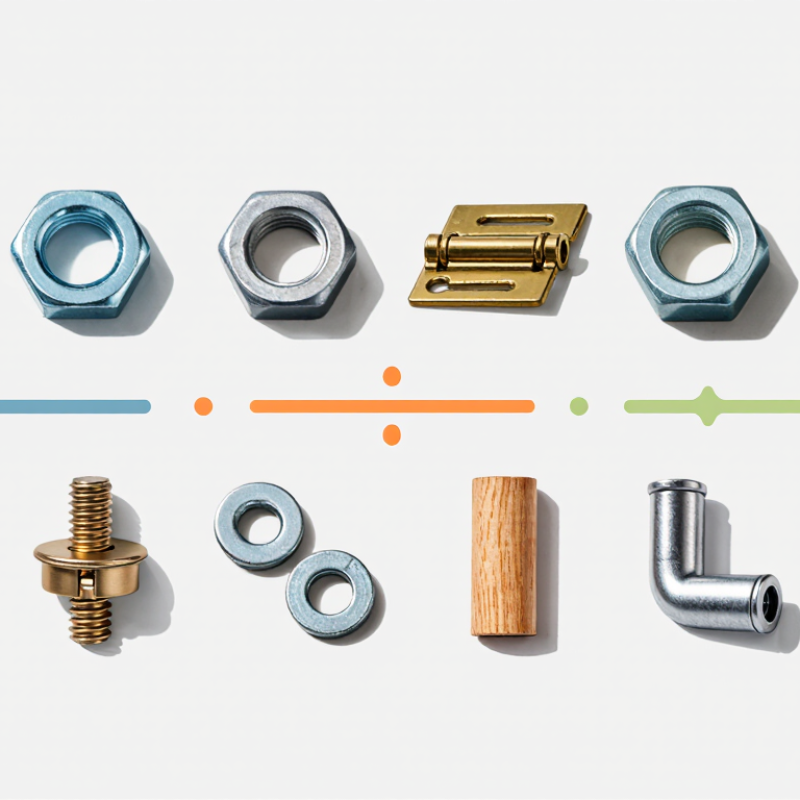
Top 10 Precautions When Buying Furniture Fasteners?

Identify the Fastener Types Required for the Furniture Project

Before buying fasteners, map every joint in the furniture project. A cabinet may need coarse-thread screws for solid-wood rails, confirmat-style screws for particleboard, and bolts with inserts for knock-down connections. Do not assume one screw suits every panel. Check the material, thickness, joint direction, and whether the connection will be assembled repeatedly.

The USDA Forest Products Laboratory’s 2021 Wood Handbook, FPL-GTR-282, models wood-screw withdrawal resistance using factors including wood specific gravity, screw diameter, and embedment depth. That matters at the workbench: a short screw near a thin panel edge can loosen or split the material, even when its head looks suitable. Match length to the actual stack-up, and verify the manufacturer’s technical data for engineered panels. Panel density and construction vary.

Also identify the load and exposure. Drawer runners experience repeated movement; chair joints face changing forces; damp rooms call for corrosion-resistant finishes compatible with the materials. Measure pilot-hole requirements, head clearance, and driver access before ordering. Tiny differences matter. I have seen a “standard” fastener list miss the insert needed for a removable leg; it is an easy detail to overlook, and worth checking against a sample joint before buying in bulk.

Check Dimensions, Threading, and Compatibility With Materials

Top 10 Precautions When Buying Furniture Fasteners?

Check Dimensions, Threading, and Compatibility With Materials

Measure the fastener’s diameter, length, and thread pitch before ordering. Length usually refers to the portion below the head, but countersunk designs can differ. Check the drawing, not just the product description. A pitch gauge helps distinguish similar-looking threads; forcing a mismatch can damage a joint. Small mismatch, big trouble. The USDA Forest Products Laboratory’s Wood Handbook (2021) reports different specific-gravity values for wood species, including about 0.55 for southern pine and 0.63 for red oak. These differences matter because wood density affects screw-holding performance.

Tips: Match coarse threads to many wood applications and machine threads to a correctly threaded insert. Test the fastener in a scrap piece first. Check that the head sits flush without crushing the surface.

Material compatibility needs a close look. MDF, plywood, and solid hardwood can respond differently to the same screw. A pilot hole may reduce splitting in hardwood, while a blunt or oversized fastener can tear the edge of a thin panel. Confirm the fastener’s material and finish suit the furniture’s environment, especially where moisture is possible. One detail is easy to overlook: verify the usable thread length, not only the overall length. A fastener can fit the measurement and still miss the insert or leave too little thread engaged.

Compare Materials, Finishes, Load Ratings, and Corrosion Resistance

Top 10 Precautions When Buying Furniture Fasteners?

Furniture fasteners must suit both the material and the job. A screw that holds well in solid oak may strip particleboard. Check the fastener’s diameter, length, thread type, and head shape against the joint and the tools you have. Test-fit one in an offcut when possible. Small differences matter.

Compare materials and finishes carefully. Zinc-plated steel is often suitable for dry indoor rooms, while stainless steel can better resist moisture near kitchens or laundry areas. Coatings vary, though, and a shiny finish alone does not prove strong corrosion resistance. Check product specifications and match them to the room’s humidity and cleaning routine. No finish fixes a poor fit.

Read load ratings in context. A published rating may assume a particular screw size, installation method, and base material. Those conditions may not match your furniture. For a wall-mounted shelf, account for the wall and anchors, not just the fastener. For a chair, consider repeated movement and joint stress. Over-specifying can waste money; under-specifying can cause failure. The balance takes care. If details are unclear, ask the supplier for test conditions before ordering. I would not rely on appearance alone.

Top 10 Precautions When Buying Furniture Fasteners: Compare Materials, Finishes, Load Ratings, and Corrosion Resistance

No. Precaution What to Compare Practical Buying Check
01 Match the fastener to the furniture material Wood screws, machine screws, bolts, threaded inserts, and connector bolts serve different purposes. For particleboard or MDF, use fasteners designed for sheet materials and follow the furniture or hardware maker’s installation guidance. Do not assume a general-purpose wood screw will hold equally well in every panel.
02 Check the base material Common choices include carbon steel, stainless steel, and brass; their strength, cost, and corrosion behavior differ. Carbon steel is common for general indoor use. Stainless steel is useful where moisture or corrosion is a concern, but the appropriate grade depends on the environment and required strength.
03 Compare the finish with the exposure conditions Zinc-plated finishes provide a protective coating for many indoor applications. Hot-dip galvanizing generally provides a thicker zinc coating. Black oxide offers limited corrosion protection unless supplemented by oil or another coating. Ask for the coating type and intended service environment. A decorative finish alone does not establish corrosion performance.
04 Evaluate corrosion resistance realistically Corrosion resistance depends on the metal, coating, coating condition, and exposure to moisture, salts, cleaners, or dissimilar metals. For damp or coastal settings, verify suitability for the specific exposure rather than relying on a generic “rust-resistant” claim. Inspect for coating damage that may expose the underlying steel.
05 Verify the load rating and its basis Published capacities may refer to a fastener alone or to a tested assembly. Withdrawal, shear, and tensile capacities are different measures. Use ratings for the exact fastener, substrate, embedment, and installation conditions. Do not treat a breaking load as a recommended working load or compare figures measured under different test methods.
06 Confirm dimensions and thread compatibility Compare diameter, length, thread type and pitch, head style, and drive type. Metric and inch-based threads are not interchangeable. Check the mating nut, insert, or pre-drilled hole specification. The fastener must provide adequate engagement without protruding through the furniture surface.
07 Choose a suitable head and drive Pan, flat, and socket-style heads have different seating and clearance needs; Phillips, square, Torx-style, and hex drives require matching tools. Use a countersunk head only where the surface and countersink are designed for it. A correctly matched driver helps reduce cam-out and damage during installation.
08 Check strength grade where applicable Some metric steel bolts are marked with property classes such as 4.6 or 8.8 under ISO 898-1. These designations apply to specified bolts and related products, not automatically to every furniture screw. Confirm the standard and product type on the specification. Do not infer a screw’s capacity from a bolt property class unless the product is explicitly covered by that standard.
09 Consider mixed-metal contact Different metals in electrical contact can promote galvanic corrosion when moisture is present; risk varies with the metals and conditions. Where moisture is likely, check compatibility between the fastener, fittings, and surrounding hardware. Use a suitable barrier or compatible materials when the application requires it.
10 Review installation and replacement requirements Pre-drilling, pilot-hole size, tightening method, washers, and access for future servicing can affect joint performance. Follow the product instructions and avoid overtightening, which can strip wood-based panels or damage threads. Keep the fastener specification for maintenance and replacement.

Note: Fastener capacity depends on the complete joint, including the fastener, furniture material, geometry, installation, and loading conditions. Use product documentation and applicable test data for safety-critical or load-bearing applications.

Assess Manufacturing Quality, Safety Standards, and Supplier Reliability

Furniture fasteners may look interchangeable, but small differences can affect fit and long-term stability. Check that screw threads are even, heads sit flat, and dimensions match the furniture drawings. Look closely for burrs, bent shanks, or uneven coating. Small defects matter. A simple sample inspection can reveal issues that a polished product photo will not.

Ask how the supplier controls material selection, heat treatment, coating thickness, and production tolerances. Request recent inspection records and test reports relevant to the fastener’s intended use. Confirm that safety claims refer to recognized, applicable standards, not vague phrases such as “high quality.” Requirements can vary by product and market, so verify the details for your application. Paperwork helps, but it does not replace checking samples.

Supplier reliability shows in everyday details. Do quoted lead times match actual production capacity? Can the supplier identify production lots and explain how defects are handled? Test communication with a specific question about packaging or a dimensional tolerance. Clear answers are reassuring. Vague answers deserve a second look. I would not judge a supplier on one late reply alone; people get busy, and one detail can be easy to miss. Consider consistency across samples, records, and follow-up before placing a larger order.

Top 10 Precautions When Buying Furniture Fasteners

Assess manufacturing quality, safety standards, and supplier reliability.

The ratings are qualitative checklist guidance, not measured survey results. Prioritize material and load suitability, dimensional consistency, and documented quality checks. Confirm applicable safety and material requirements, request traceability and test documentation, and review sample quality, delivery capability, and after-sales support before ordering.

Confirm Quantities, Packaging, Pricing, and Return Policies

Before ordering furniture fasteners, reconcile the bill of materials with the supplier’s quote. Check each size, thread type, finish, and quantity; “one box” is not a useful unit unless the piece count is stated. Ask whether screws, washers, and inserts are packed separately, and request a photo of the labeled bags. Add a small allowance for damaged or misplaced pieces, but do not guess. A quick sample count can catch a short shipment before assembly begins. I have seen tidy spreadsheets miss carton-level details.

Compare the full landed price, not just the unit price. Confirm freight, minimum order quantities, price validity, and whether mixed-size packs cost more. Write down the return window and rules for opened cartons, incorrect parts, and return freight before paying. NRF and Appriss Retail’s 2024 Retail Returns report estimated $890 billion in returns, or 16.9% of annual U.S. retail sales; this is a broad retail benchmark, not fastener-specific. It shows why clear return terms matter. Keep the quote, labels, and order confirmation together. A policy that sounds clear on a call can feel less clear when a carton arrives.

FAQS

How should I choose fasteners for a furniture project?

Map each joint and note its material, thickness, and assembly direction. One screw rarely suits every panel.

What details matter when choosing screw length?

Measure the full material stack and check how deeply the screw will embed. A short screw near an edge may loosen or split the panel.

Do engineered panels need special checks?

Yes. Panel density and construction vary, so check technical data and test a sample joint. I sometimes forget this step.

Which fasteners suit furniture that comes apart?

Bolts with inserts can support removable connections, such as detachable legs. Check that the insert fits the panel and can be reached during assembly.

How do furniture loads affect fastener choice?

Drawer runners face repeated movement, while chair joints experience changing forces. Match the fastener to the joint’s use.

What should I inspect on a fastener sample?

Check the threads, head, dimensions, coating, and shank. Look for burrs or bends. Small flaws matter.

What should I ask a supplier before ordering?

Ask about material selection, production tolerances, inspection records, and relevant test reports. Verify that any stated standards apply to your use.

How can I judge supplier reliability?

Compare samples, records, lead times, and follow-up answers. Ask one specific question about packaging or dimensions. One late reply is not the whole story.

Conclusion

Buying the right furniture fasteners starts with identifying the joint, the materials involved, and the demands of the project. What precautions should be taken when buying furniture fasteners? First, choose a suitable fastener type, then verify its dimensions, thread style, and fit with the wood, metal, or other materials being joined. Compare material and finish options for strength and corrosion resistance, and check that load ratings match the furniture’s intended use.

Also assess manufacturing quality, applicable safety standards, and the supplier’s reliability before placing an order. Confirm the required quantity, packaging details, total price, and expected delivery terms, and review the return policy in case the fasteners are incorrect or unsuitable. Careful checks help prevent poor fit, premature wear, and unnecessary project delays.

Liam

Liam

Liam is a dedicated marketing professional with a profound expertise in the industry, where he excels at highlighting the unique advantages of our core products. With a keen understanding of market trends and consumer needs, Liam frequently updates our company’s professional blog, providing......