Choosing the right fasteners can make or break your project. When exposed to moisture, temperature changes, or UV rays, fasteners can corrode or degrade. This is why knowing how to select fasteners with good weather resistance is crucial.
These fasteners should withstand harsh outdoor conditions. Consider materials like stainless steel or coated options. Look for features that enhance their durability. Understanding your environment will guide your choice.
Sometimes, even trusted brands can disappoint. Research customer reviews and warranty policies. Reflect on past experiences where fasteners failed to perform. This can inform your future decisions. Always prioritize quality over cost. Reliability is worth the investment.
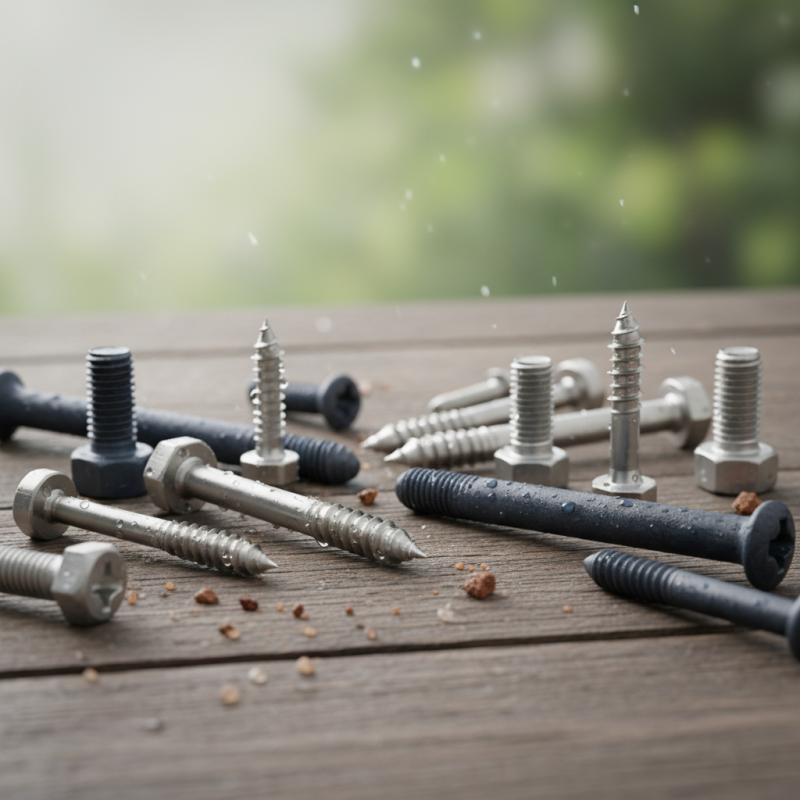
Weather resistant fasteners play a crucial role in construction projects. They ensure that structures remain secure against the elements. Rain, snow, and humidity can weaken conventional fasteners. This can lead to costly repairs and safety hazards over time. Using fasteners designed to withstand harsh weather conditions is essential for longevity.
Choosing the right materials is vital. Stainless steel and coated options offer better corrosion resistance. However, not all coatings are created equal. Some may wear off quickly, especially in extreme environments. It's essential to assess the specific needs of your project. A thorough evaluation of weather conditions will guide your selection process.
Consider the installation environment as well. Fasteners installed in coastal areas face different challenges than those in dry regions. Anticipating these conditions can affect the choice of fasteners. Remember that not every fastener is suitable for every project. Reflect on past choices and their outcomes. Learning from these experiences can lead to more informed decisions in future constructions.
Selecting the right weather-resistant fasteners is crucial for the longevity and reliability of your outdoor projects. Common materials include stainless steel, aluminum, and brass. Stainless steel, especially grades 304 and 316, offers excellent corrosion resistance. Aluminum provides lightweight options but may not be as durable. Brass is aesthetically pleasing but can tarnish over time.
Coatings can enhance the performance of these materials. Galvanization involves coating steel with zinc, creating a barrier against moisture. This is effective but may wear off under harsh conditions. Powder coating provides a durable finish, resistant to chipping and fading. Each option has its pros and cons, which is worth considering as you make your choice.
Tips for project planning: Always match the fasteners to the environment. If you live near the ocean, opt for marine-grade fasteners. Conduct tests to evaluate the fasteners under harsh weather. This step can save you from costly repairs in the future. Remember that even the best materials might fail if improperly installed, so take your time with each project.
When selecting fasteners for outdoor projects, consider corrosion resistance as a key factor. Fasteners made from stainless steel, for example, provide excellent durability against elements like rain and humidity. According to the American Galvanizers Association, galvanized coatings can extend the lifespan of fasteners in harsh weather conditions by up to 50%. However, the specific environment can affect their performance differently. Coastal areas may require even more resilient options due to salt exposure.
The type of finish on a fastener also impacts its longevity. Some finishes can wear away quickly, leading to rust. A study from the National Association of Home Builders indicates that up to 30% of premature failures in outdoor projects stem from inadequate fastener choices. Additionally, consider the load-bearing capacity of the fasteners. Using appropriate sizes and grades is crucial. Oversized fasteners may lead to unnecessary stress points in materials.
Pay attention to proper installation techniques too. Incorrect installation can compromise performance. For instance, over-tightening can lead to fracture in some materials. Review installation guides and best practices to minimize risks. Overall, a thorough evaluation of materials and environmental conditions will help enhance the longevity and reliability of your outdoor projects.
When selecting weather-resistant fasteners, understanding industry standards is essential. Various regulations dictate the materials and coatings used to ensure durability. Key factors include corrosion resistance and tensile strength. Standards vary by location and use. Always check local regulations before starting projects.
Tips: Check for the ASTM rating of fasteners. This helps in assessing their weather resistance. Different environments require different standards.
Aluminum and stainless steel are popular choices. They often meet industry standards for outdoor applications. However, not all stainless steel is created equal. Grades vary in resistance to rust and corrosion. Research the specific environment of use before making a choice.
Consider the impact of extreme weather conditions. Fasteners can degrade faster in salty or humid areas. They may need to be replaced sooner than expected. Ensure you track their performance over time. It’s a learning process that can influence future projects.
| Material | Corrosion Resistance | Common Applications | Temperature Range | Certification Standards |
|---|---|---|---|---|
| Stainless Steel | Excellent | Marine, Outdoor Structures | -20°F to 800°F | ASTM A240 |
| Galvanized Steel | Good | Construction, Fencing | -20°F to 500°F | ASTM A153 |
| Aluminum | Very Good | Aerospace, Automotive | -50°F to 250°F | ASTM B211 |
| Bronze | Excellent | Marine Hardware, Architecture | -40°F to 400°F | ASTM B150 |
| Coated Fasteners | Good | General Outdoor Use | -40°F to 300°F | ASTM D3359 |
When investing in weather-resistant fasteners, a cost-benefit analysis reveals a clear distinction between quality and cheap alternatives. Low-cost options can lead to short-term savings but may compromise longevity. For instance, stainless steel fasteners resist corrosion better than standard metal, proving their value over time. Replacing cheap fasteners frequently costs more than purchasing quality ones from the start.
Weather-resistant fasteners might be more expensive upfront, yet they provide reliability in harsh conditions. They withstand moisture, extreme temperatures, and UV exposure effectively. Imagine a wooden deck in sunny conditions. Using higher-quality fasteners ensures it remains intact over years. Conversely, using inferior fasteners could lead to rust and structural failures, requiring costly repairs or replacements.
It's important to reflect on your project needs and environment. Are the savings worth potential risks? Quality fasteners not only ensure safety but also save time and resources long-term. Ultimately, the right choice hinges on balancing immediate costs with future rewards. Investing in quality fasteners leads to peace of mind and durability.
: Corrosion resistance is crucial for outdoor fasteners, as they face elements like rain and humidity.
Coastal areas may require more resilient fasteners due to salt exposure, which can accelerate corrosion.
The finish affects longevity; some finishes wear out quickly and may lead to rust, causing premature failures.
Incorrect installation, like over-tightening, can damage materials and compromise performance, leading to unforeseen issues.
Industry standards, including ASTM ratings, help assess materials and coatings for their durability in specific environments.
Cheap fasteners may lead to frequent replacements, which can ultimately cost more over time than investing in quality options.
Consider environmental conditions, potential for extreme weather effects, and how fasteners degrade over time.
Quality fasteners ensure structural integrity and safety, preventing costly repairs from rust and failures.
Balance immediate costs with long-term reliability; quality fasteners provide peace of mind and durability over time.
Regular monitoring and evaluations over time can inform future choices and maintenance needs.
Choosing the right weather-resistant fasteners is crucial for the longevity and integrity of outdoor projects. To understand how to select fasteners with good weather resistance, one must first recognize the importance of these specialized fasteners in construction, as they mitigate the risks associated with adverse weather conditions. Various types include fasteners made from specific materials and those treated with protective coatings, each offering different levels of durability and resistance to corrosion.
When selecting fasteners for outdoor use, several key factors should be considered, such as the environment they will be exposed to, the load they need to bear, and adherence to industry standards and regulations. Conducting a cost-benefit analysis also emphasizes the importance of investing in quality fasteners. Ultimately, the right choice not only enhances the durability of your projects but also ensures safety and structural stability over time.
