When it comes to assembling electronic devices, choosing the right components is crucial. One important aspect is how to select precision fasteners for electronic devices. Precision fasteners ensure secure connections and contribute to the overall functionality and durability of your product. Electronics are delicate, requiring parts that can withstand various conditions.
Selecting the right fasteners involves an understanding of materials, sizes, and types. It might seem overwhelming at first. Users often overlook details like thread pitch or head style. Yet, these factors can significantly affect performance. Precision fasteners help prevent issues such as loosening due to vibrations.
In the fast-paced electronics industry, having reliable fasteners is non-negotiable. Professionals with experience can make informed decisions based on specific project requirements. Quality fasteners can enhance the integrity of your devices and extend their lifespan. By focusing on the right choices, you can avoid future challenges and ensure the success of your electronic designs.
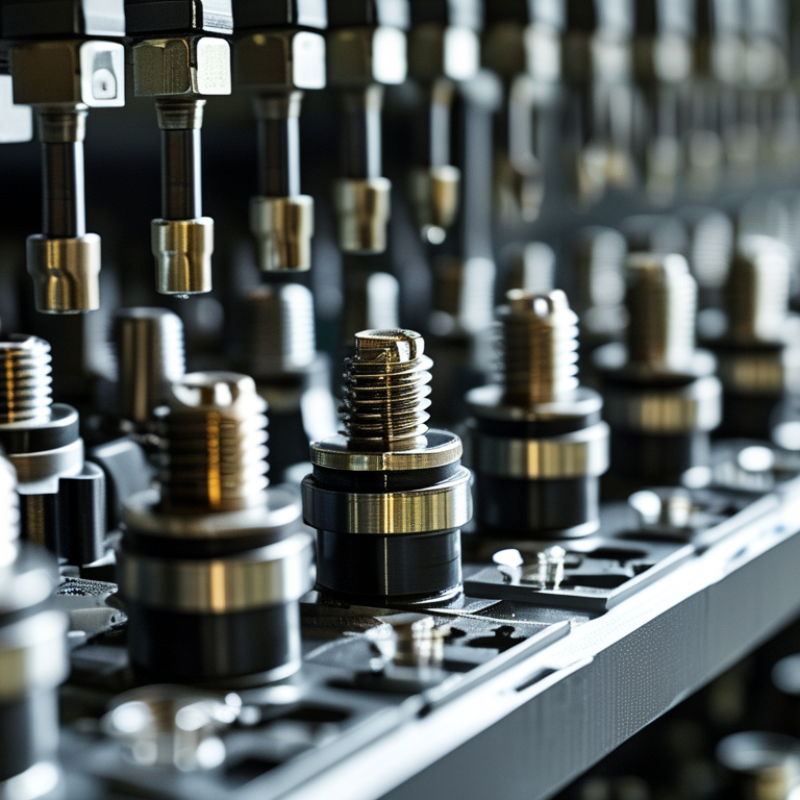
When designing electronic devices, precision fasteners play a vital role. These small components ensure the integrity and functionality of the device. Without the right fasteners, your product may face structural issues. This can lead to device failures, impacting performance. Precision fasteners differ in size, material, and design. Understanding these differences is crucial for creating reliable electronics.
Fasteners come in various materials such as stainless steel, aluminum, and plastic. Each material offers distinct advantages. For instance, stainless steel is resistant to corrosion. However, it can be heavier than alternatives. The choice depends on the specific needs of your device. Keep in mind that even small variations in fastener dimensions can affect overall performance. Testing different options can yield unexpected results.
The importance of precision cannot be overstated. Inadequate fasteners can lead to costly recalls. They can also diminish user satisfaction. Rethink your approach when selecting fasteners. Assess not just the features, but also the long-term implications. Making informed decisions enhances your product's reliability. Ultimately, a well-chosen fastener can make all the difference in electronic design.
: Precision fasteners ensure the integrity and functionality of electronic devices. They prevent structural issues and device failures.
Different materials like stainless steel, aluminum, and brass have distinct advantages. They affect weight, durability, and performance.
Assess your device's operating environment. High humidity needs rust-resistant materials, while high heat requires heat-resistant options.
Thread size and type influence fastener performance. Fine threads hold better, while coarse threads are easier to install.
Using the incorrect size can lead to device failures. Always have a sample fastener to ensure proper dimensions.
Coatings like zinc plating reduce corrosion and wear. Select the right finish to enhance the durability of your fasteners.
Yes, testing fasteners in real environments is crucial. It helps ensure they withstand temperature, humidity, and other conditions.
Analyze feedback to guide future fastener selections. Learning from past experiences reduces the risk of mistakes.
Keeping a clear record of specifications is vital. It helps save time and prevents errors during replacements or redesigns.
Absolutely, even minor differences can impact performance. Testing various options is essential for achieving reliability.
When considering how to select precision fasteners for electronic devices, it is essential to understand their crucial role in ensuring the reliability and performance of electronic components. Precision fasteners come in various types, each designed for specific applications within electronic devices. Material selection is another critical aspect, as it directly affects durability and resistance to environmental factors.
Additionally, key specifications such as size, thread type, and tensile strength must be carefully evaluated to ensure compatibility with the intended application. By analyzing the various applications of precision fasteners across different electronic components, manufacturers can make informed choices that enhance the integrity and longevity of their products. Understanding these factors is vital for anyone involved in the design or assembly of electronic devices.

 VLC Part