How to Choose the Right Fasteners for Automotive Assembly Lines?

Time:2026-06-10 Author:Sophia
0%

When considering automotive assembly lines, the choice of fasteners is critical. Fasteners are the unsung heroes in vehicle manufacturing. They ensure that components stay securely attached. Their reliability can directly impact vehicle safety and performance. As you navigate the fastener selection process, understanding the specific requirements of your assembly line is paramount.

There are various fastener types available. Each serves a distinct purpose. Choosing the wrong one can lead to assembly delays or even product recalls. Common choices include bolts, screws, and rivets. Materials and coatings also influence durability. How to choose fasteners for automotive assembly lines requires a careful evaluation of these elements.

Finally, consulting with industry experts can provide valuable insights. Missteps in selecting fasteners not only affect production efficiency but also safety. Reflecting on past decisions may reveal where improvements are needed. Balancing cost-effectiveness with quality is crucial. As the automotive industry evolves, staying informed about fastener technology is essential.
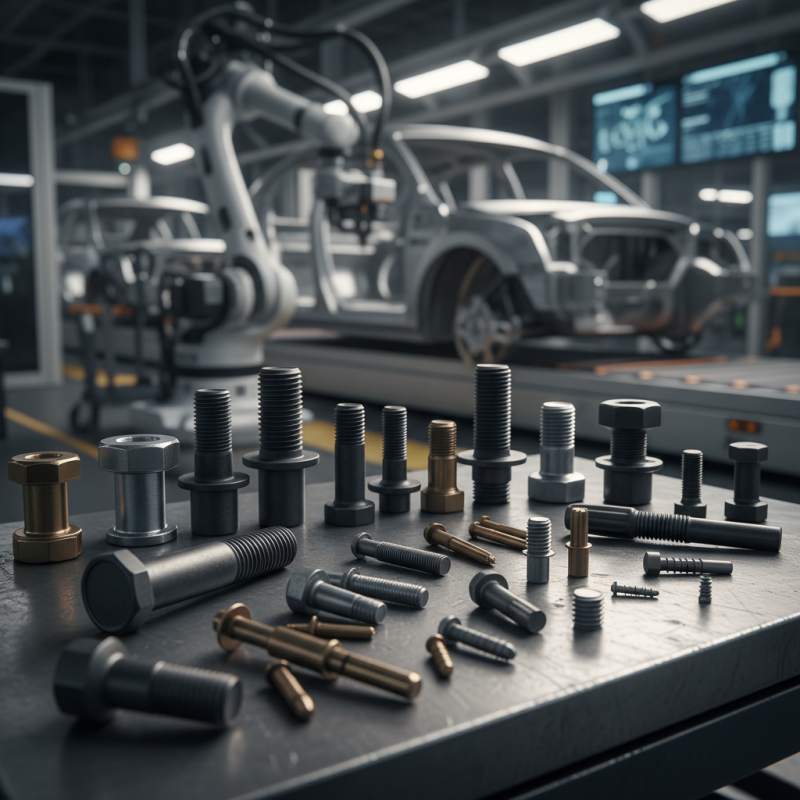
How to Choose the Right Fasteners for Automotive Assembly Lines?

Types of Fasteners Commonly Used in Automotive Assembly

When it comes to automotive assembly, fasteners play a vital role in ensuring durability and safety. Common types of fasteners include bolts, nuts, screws, and rivets. Each type serves specific purposes that are crucial for vehicle performance. For example, bolts are often used in attaching engine components due to their strength. Similarly, rivets are frequently employed in joining sheet metal parts.

Screws are widely used in interior components. They can easily be removed for repairs or adjustments. However, selecting the improper screw can lead to loosening over time. In contrast, nuts are essential for securing bolts in place, but they must match the bolt type to be effective.

It’s easy to overlook the impact of fastener selection on overall assembly quality. A wrong choice can cause significant issues, such as increased wear or malfunction. Ultimately, understanding these fasteners and their applications is crucial for a robust assembly line. Carefully evaluating the requirements of each assembly task helps in making informed choices. In an industry where precision matters, every detail counts.

How to Choose the Right Fasteners for Automotive Assembly Lines? - Types of Fasteners Commonly Used in Automotive Assembly

Fastener Type Material Typical Applications Advantages Considerations
Bolts Steel, Stainless Steel Chassis assembly, Engine components High strength, Versatile Requires nut or threaded hole
Nuts Steel, Brass Used with bolts Secure fastening, Easy to use May loosen over time
Screws Steel, Plastics Body panels, Interior fixtures Easy to install, Lightweight Weaker than bolts for load bearing
Rivets Aluminum, Steel Body construction, Aerospace Permanent joining, High shear strength Cannot be easily removed
Washers Steel, Plastic Used with bolts and screws Distributes load, Prevents loosening Types vary for specific applications
Clips Plastic, Metal Trim and panel retention Quick installation, Cost-effective Limited load-bearing capacity

Factors to Consider When Selecting Fasteners for Automotive Applications

When selecting fasteners for automotive applications, several factors come into play. The materials used in fasteners need to withstand various environmental conditions. Corrosion resistance is crucial. Fasteners must remain intact, even in harsh climates. Additionally, consider the potential for vibration. Fasteners that loosen over time can lead to serious safety issues.


The size and weight of the components also influence fastener selection. Heavy parts may require larger, more robust fasteners. Conversely, lightweight materials may need different fastening approaches. The manufacturing process of the components can impact the type of fasteners used. A mismatch can lead to assembly challenges.


Moreover, it's essential to think about application specifics. Fastener types vary based on whether the application is structural or aesthetic. Some might not offer the required strength. Testing and reevaluating choices can prove beneficial. Fasteners often need to adapt as designs evolve. Not all fasteners fit all designs seamlessly. Reflecting on previous experiences can guide better choices in future projects.

Material Choices for Fasteners: Strength and Durability in Automotive

In the automotive industry, selecting the right fasteners is crucial. Material choice directly impacts strength and durability. According to a recent report by the Society of Automotive Engineers (SAE), nearly 70% of fastener failures can be traced back to improper material selection. Common materials include steel, aluminum, and titanium. Each has unique properties. For instance, steel offers excellent strength but may corrode without proper treatment.

Fasteners made from aluminum are lightweight and resistant to corrosion, making them ideal for automotive applications. However, they may not provide the same tensile strength as steel. Titanium, while expensive, is gaining popularity due to its high strength-to-weight ratio. Industry data shows that using titanium can reduce overall vehicle weight by 10%, enhancing fuel efficiency.

Tips: Always prioritize mechanical properties over cost. Evaluate your assembly line needs. A thorough understanding of the environment helps in choosing suitable materials. Consider the potential for failure. Regularly review fastener performance data to refine your choices. This reflection can lead to better long-term results.

Material Choices for Fasteners in Automotive Assembly Lines

Compatibility and Standards: Ensuring Fasteners Meet Industry Requirements

Choosing the right fasteners for automotive assembly lines is crucial. Compatibility with existing parts and adherence to industry standards are non-negotiable factors. Every component must work seamlessly together. Otherwise, performance issues may arise. Fasteners should support specific vehicle models. If they don't, the assembly process can become inefficient.

Understanding industry standards is essential. Fasteners must meet particular specifications to ensure safety and reliability. Use the correct materials and finishes to avoid corrosion and fatigue. This decision can significantly affect product longevity. Keeping up-to-date with regulatory changes can be challenging. Yet, staying informed is necessary for compliance.

Tips: Always verify the specifications of fasteners before purchase. Consult with industry experts if unsure about compatibility. Test a small batch in your assembly process to identify potential issues early on. Ignoring these details can lead to costly delays and safety concerns. Analyze past projects where improper fasteners were used for improvement insights. Regularly evaluate your choices to adapt to evolving industry needs.

Best Practices for Sourcing and Managing Fasteners in Production Lines

Sourcing fasteners for automotive assembly is a critical task. The right fasteners ensure stability and safety in vehicles. When choosing fasteners, consider material types. Different materials can significantly affect durability and performance. Steel, aluminum, and plastic are popular options. Each has unique benefits and limitations.

Managing fasteners in production lines requires organization. Proper inventory management is key. Track your fasteners rigorously to avoid shortages. Mismanagement can lead to production delays. Regular audits can highlight discrepancies. They help ensure that the right fasteners are always on hand.

Some companies overlook the importance of quality control. Inadequate testing can lead to failures down the line. It's essential to implement thorough testing on fasteners before use. This may involve tensile strength tests or corrosion resistance assessments. Engaging with suppliers for quality assurance is a wise move.

Fasteners can make or break your assembly process. The right approach can enhance production efficiency and overall vehicle reliability.

FAQS

: What factors should I consider when selecting fasteners for automotive applications?

: Consider environmental conditions, corrosion resistance, vibration potential, size, and weight of components.

Why is corrosion resistance important for fasteners in vehicles?

Corrosion resistance ensures fasteners remain intact in harsh climates, preventing safety issues.

How does the weight and size of components affect fastener selection?

Heavy parts need larger fasteners, while lightweight materials may require different fastening methods.

What role does the manufacturing process play in fastener choice?

Mismatched fasteners can cause assembly challenges, so compatibility is crucial for smooth operations.

Are all fasteners suitable for every application?

No, fastener types vary based on whether an application is structural or aesthetic.

How can past experiences influence future fastener selection?

Reflecting on previous projects helps guide better choices and improves future outcomes.

What materials are commonly used for automotive fasteners?

Common materials include steel, aluminum, and titanium, each with unique properties affecting performance.

Why might aluminum fasteners be chosen over steel?

Aluminum is lightweight and corrosion-resistant, making it ideal for certain automotive uses.

What is a significant downside of using steel fasteners without treatment?

Untreated steel fasteners may corrode, leading to potential failures over time.

How can I enhance my understanding of fastener performance?

Regularly review performance data and reflect on potential failure points to refine your selections.

Conclusion

When considering how to choose fasteners for automotive assembly lines, one must understand the various types of fasteners commonly used in the industry, such as bolts, screws, and rivets. Each type has its specific applications and advantages, making it crucial to select the right one based on the assembly requirements. Factors such as load-bearing capacity, environmental conditions, and ease of installation play significant roles in this decision-making process.

Material choice is another critical aspect, as the strength and durability of fasteners directly impact the longevity of automotive components. Furthermore, ensuring compatibility with existing parts and compliance with industry standards is essential for optimal performance and safety. Adopting best practices in sourcing and managing fasteners can streamline production lines, reduce costs, and enhance overall efficiency. Thus, understanding these elements is vital for achieving successful automotive assembly.

Sophia

Sophia

Sophia is a dedicated marketing professional with an exceptional depth of knowledge about her company's products and services. With a keen understanding of market trends and customer needs, she crafts insightful blog posts that not only inform but also engage readers, enriching the company’s online......