Why Choosing Durable Fasteners is Essential for Industrial Success?

Time:2026-07-13 Author:Isabella
0%

Choosing durable fasteners is crucial in today's industrial landscape. The reliability of these components directly impacts project outcomes. When dealing with heavy machinery or high-stress environments, the right fasteners can prevent costly failures and ensure safety.

Understanding how to choose durable fasteners for industrial applications is essential. Materials play a significant role. Stainless steel, for example, offers corrosion resistance. However, it may not be suitable for every situation. It’s important to assess the specific needs of each project.

Moreover, considering the manufacturing process is vital. Some fasteners may be robust but are difficult to install. This could lead to inefficiencies and delays. Companies must balance strength, ease of use, and cost-effectiveness. Reflection on past experiences can also guide future choices. The fasteners you select can ultimately determine the longevity and success of your industrial projects.
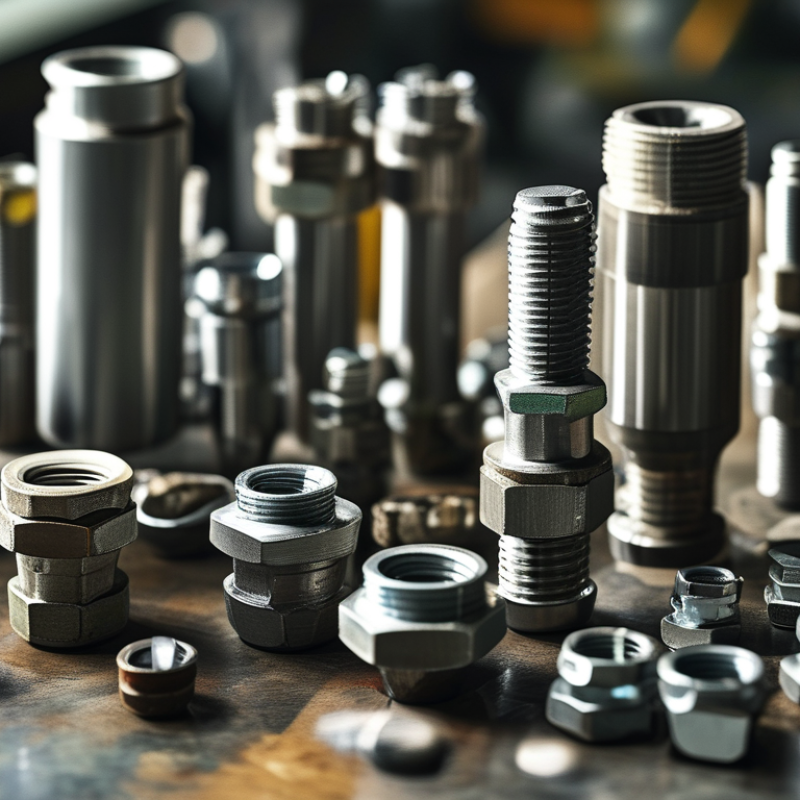
Why Choosing Durable Fasteners is Essential for Industrial Success?

The Importance of Durability in Industrial Fasteners

In industrial settings, the significance of durability in fasteners cannot be overstated. Fasteners must withstand extreme conditions, including high temperatures and corrosive environments. When these components fail, it can lead to disastrous results. The financial impact of replacing these parts, not to mention the downtime, can be staggering. Thus, selecting resilient fasteners is critical to operational efficiency.

Durable fasteners reduce the need for frequent replacements. This durability translates to consistent performance over time. Industries such as construction and manufacturing often face harsh conditions. The fasteners used in these environments must endure substantial stress. Weak fasteners can compromise entire structures, highlighting the need for reliable choices. However, not all fasteners are created equal. Choosing the right materials and designs is a complex task that requires expertise.

Many companies overlook the long-term benefits of durable fasteners. Initial cost savings may seem appealing, but inferior quality can lead to greater expenses. The reflective aspect of this decision-making process is crucial. A lack of foresight can result in repeat failures, lost productivity, and diminished reputation. Prioritizing durability, even with a higher upfront cost, often pays off in the end.

Factors Affecting the Durability of Fasteners

Durability in fasteners is vital for industrial applications. Several factors influence their longevity. Material selection stands out as a key element. Stainless steel and titanium provide excellent resistance to corrosion. Yet, they can be more expensive than other options. Often, manufacturers choose low-cost materials, which may lead to premature failures.


Another critical factor is the environment in which fasteners operate. High temperatures can weaken certain materials. Exposure to moisture may promote rust and degradation. Regular maintenance can help, but many industries overlook this. Ignoring environmental conditions can result in unexpected downtimes.


Installation practices play a significant role in durability as well. Incorrect torque levels can lead to loosening over time. Poor alignment may introduce stress and fatigue. Training personnel on proper installation techniques is often neglected yet essential. Awareness of these factors can lead to better decision-making in fastener selection.

Applications Where Durable Fasteners are Crucial

In industrial applications, the strength of fasteners can be critical. Durable fasteners play a vital role in sectors like construction, aerospace, and automotive industries. According to a report by the Industrial Fastener Institute, nearly 40% of structural failures are due to fastener failure. This highlights the need for high-quality, durable fasteners.

In construction, heavy machinery relies on robust fastening systems. For instance, bridge construction employs steel bolts that withstand extreme conditions. In aerospace, components must resist stress and temperature changes. Studies show that using premium fasteners can reduce maintenance costs by over 30%. Such savings are significant when considering the lifespan of aircraft.

The automotive sector also benefits greatly from durable fasteners. A survey from the Society of Automotive Engineers indicates that over 25% of vehicle recalls are linked to fastener issues. Using reliable fasteners enhances vehicle safety and longevity, impacting consumer trust and brand reputation. It’s essential to recognize that while many fasteners may seem adequate, choosing the right type is crucial for overall operational success.

Importance of Durable Fasteners in Various Industries

This chart illustrates the importance of durable fasteners across various industries. A higher value indicates a greater reliance on durable fasteners for operational success, showing that construction ranks the highest, followed by aerospace and manufacturing.

Cost Implications of Using Durable Versus Non-Durable Fasteners

In the industrial sector, the choice of fasteners can significantly impact cost efficiency and operational success. According to a report by the Fastener Technology Incorporated, the use of durable fasteners can reduce maintenance and replacement costs by up to 30%. This is crucial for manufacturing environments where equipment downtime can lead to substantial revenue loss.

Durable fasteners are designed to withstand extreme conditions. They resist corrosion, fatigue, and wear, which is essential for high-stress applications. A study conducted by the Industrial Fastener Institute revealed that facilities using high-quality fasteners experienced 25% fewer failures compared to those using standard options. This highlights the long-term financial benefits of investing in durability rather than opting for cheaper, non-durable alternatives.

Many industries are beginning to recognize the hidden costs associated with non-durable options. In some cases, these fasteners lead to frequent breakdowns and increased safety risks. A survey by the National Association of Manufacturers noted that many companies face unexpected costs due to fastener-related failures. These costs can quickly accumulate, affecting budgets and project timelines. It’s essential for industries to rethink their fastener choices and understand that short-term savings might not always be worth the long-term consequences.

Long-Term Benefits of Investing in Quality Fastening Solutions

When it comes to industrial applications, the value of durable fasteners cannot be overstated. Investing in high-quality fastening solutions directly impacts your operations. Many companies underestimate this aspect. They may choose lower-cost options, but this can lead to significant long-term costs. Fasteners that fail can cause production halts and safety hazards.

Quality fasteners are designed to withstand harsh conditions. They resist corrosion, vibration, and fatigue. This reliability translates into fewer replacements. Fewer replacements mean reduced labor costs and less downtime. Workers can focus on their tasks instead of fixing equipment. Companies that prioritize durable fasteners often notice a boost in productivity.

Unfortunately, not every team recognizes the importance of solid fastening solutions. Some may rely on outdated practices. This can lead to poor decisions. Rethinking your approach to fasteners can yield remarkable benefits. A long-term strategy centered on quality holds great promise for industrial success.

Why Choosing Durable Fasteners is Essential for Industrial Success? - Long-Term Benefits of Investing in Quality Fastening Solutions

Category Type of Fastener Material Durability Rating Application Areas Cost (per 100 pcs)
Industrial Bolts Carbon Steel High Construction, Machinery $50
Automotive Nuts Stainless Steel Very High Vehicles, Equipment $70
Aerospace Rivets Titanium Exceptional Aircraft, Spacecraft $200
Construction Screws Alloy Steel High Building Frameworks, Furniture $40
Electronics Self-tapping Screws Plastic Moderate Devices, Appliances $30

FAQS

: Why is durability important for industrial fasteners?

: Durability is crucial as fasteners must withstand extreme conditions. Their failure leads to costly replacements and downtime.

How do durable fasteners affect operational efficiency?

Durable fasteners reduce the need for frequent replacements. This consistency in performance boosts overall efficiency in operations.

What are the financial implications of using durable fasteners?

Investing in durable fasteners can reduce maintenance costs by up to 30%. This helps avoid unexpected expenses from fastener failures.

How do fasteners influence structural integrity?

Weak fasteners can compromise structures, posing safety risks. Reliable fasteners ensure that industrial setups remain secure and functional.

Why do some companies choose non-durable fasteners?

Some companies chase initial cost savings. However, this can lead to repeat failures and increased long-term expenses.

What should industries consider when selecting fasteners?

Industries need to prioritize materials and designs that offer durability. A thoughtful approach can prevent significant future issues.

How often should fasteners be replaced?

The frequency of replacements depends on the fastener quality. Durable fasteners generally require fewer replacements, resulting in lower costs.

What impact do fasteners have on productivity?

Quality fasteners lead to fewer breakdowns. Workers can focus on tasks instead of repairing faulty equipment, enhancing productivity.

Are there hidden costs associated with non-durable fasteners?

Yes, non-durable fasteners can lead to frequent breakdowns and safety issues, resulting in unexpected expenses that accumulate over time.

How can companies improve their fastening solutions?

Companies should rethink their fastening strategies. Choosing quality fasteners can significantly enhance operational success and reduce risks.

Conclusion

Choosing durable fasteners is crucial for industrial success, as their reliability directly impacts the longevity and safety of mechanical structures. The durability of fasteners can be affected by various factors, including materials, environmental conditions, and installation techniques. Understanding these aspects helps industries select the appropriate fasteners for their specific applications, where durability can be a decisive factor, such as in construction or heavy machinery.

When considering how to choose durable fasteners for industrial applications, it's essential to weigh the cost implications of durable versus non-durable options. While cheaper fasteners may seem appealing initially, they often lead to higher long-term costs due to frequent replacements and potential failures. Investing in quality fastening solutions not only enhances operational efficiency but also provides significant long-term benefits, ensuring a more reliable and safe industrial environment.

Isabella

Isabella

Isabella is a dedicated marketing professional with a sharp focus on driving brand growth and engagement through strategic content creation. With an extensive background in digital marketing, she combines her passion for storytelling with her keen understanding of industry trends to deliver......