In the competitive world of manufacturing, selecting the right fasteners is critical. The decision goes beyond just price. It’s essential to balance cost with quality. As industry expert, John Smith, highlights, “Cutting costs shouldn’t mean cutting corners.” This wisdom underscores the importance of smart sourcing.
When considering how to choose cost-effective fasteners without quality loss, one should weigh options carefully. Look for suppliers who offer reliable products with proven durability. The wrong choice can lead to higher costs down the road, such as repairs and rework. Trends show that investing in high-quality fasteners can save money in the long run.
Moreover, understanding material specifications and load requirements is vital. It can prevent future failures. Make sure to review testimonials and performance data from different brands. Quality assurance processes are also a key focus. With strategic thinking, businesses can achieve savings while maintaining excellence. Making informed choices will drive success in any project.
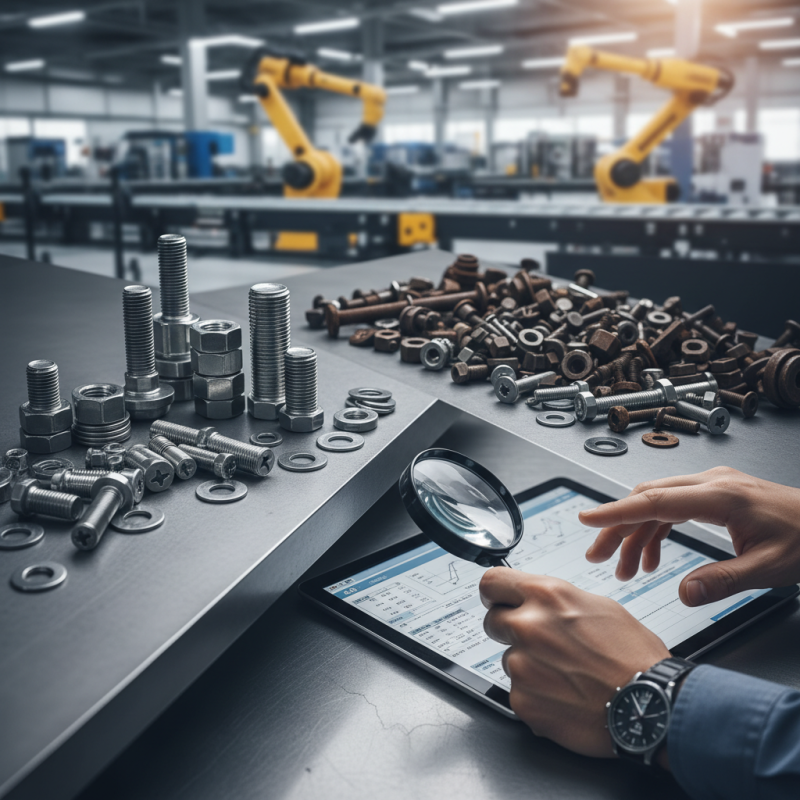
When choosing fasteners, understanding their types is crucial. Common fastener types include screws, bolts, nuts, and anchors. Each serves a different purpose. For instance, screws are ideal for wood applications, while bolts are preferred for heavy-duty tasks. Knowing the right type ensures better performance and reliability in projects.
Tips for selecting cost-effective fasteners involve considering material and pricing. Stainless steel fasteners offer durability but may be pricier. Alternatively, carbon steel can be cost-effective but often requires corrosion protection. Comparing bulk prices helps minimize costs without compromising quality.
Evaluate your specific application needs. Some projects may benefit from specialized fasteners, enhancing performance. Using the appropriate fasteners can prevent misalignment or failure. This, in turn, contributes to the longevity of your work. Investing time in understanding fastener types pays off in the end.
Choosing the right fasteners can be challenging. Material quality is crucial to ensure long-lasting performance. Steel, for example, is durable but may come with a higher cost. Stainless steel offers excellent corrosion resistance but can be pricier than standard steel. Each option has pros and cons that should be evaluated against project needs.
When considering cost-effectiveness, don't automatically choose the cheapest option. Often, lower-priced fasteners compromise quality. They may break or fail sooner. In a long-term view, this can lead to higher costs for replacements. A balance between price and quality is essential. Conduct thorough research on materials and specifications. Look for fasteners that meet industry standards.
Keep in mind that quality doesn’t always mean high cost. Sometimes, local suppliers may offer competitive prices without sacrificing reliability. Seek recommendations from professionals in the field. Their insights can help you make informed decisions. Aim for a fastener that combines durability and cost-effectiveness. Assess options diligently to avoid costly mistakes. As you navigate your choices, reflect on past experiences, both good and bad, to improve your selection process.
| Fastener Type | Material | Cost per Unit ($) | Strength (MPa) | Corrosion Resistance |
|---|---|---|---|---|
| Screw | Steel | 0.10 | 350 | Moderate |
| Bolt | Stainless Steel | 0.25 | 650 | High |
| Nut | Carbon Steel | 0.05 | 300 | Low |
| Washer | Aluminum | 0.15 | 200 | Good |
| Rivet | Copper | 0.20 | 450 | High |
When selecting fasteners, supplier reputation is vital. A reliable supplier often ensures quality. Research their history and customer reviews. Even small differences in reputation can lead to significant variations in product performance. Look for suppliers with consistent positive feedback from various industries. Reliable suppliers often provide transparency in their manufacturing processes.
Understanding the stability of a supplier's operations is equally important. Companies with long-standing practices usually offer better consistency in their products. Investigate their quality assurance protocols and certifications. Ask about their sourcing methods for materials, as this can affect the final product. A supplier that frequently changes materials can indicate instability.
Consider reaching out to previous clients to gather insights. Hearing firsthand accounts can offer valuable information. Pay attention to aspects beyond price. While cost-effectiveness is essential, sacrificing quality can lead to higher long-term expenses. Suppliers with a strong commitment to quality often have a higher initial cost but save money over time. Always consider quality as a non-negotiable element in the decision-making process.
Choosing cost-effective fasteners is crucial for any project. Balancing price with performance characteristics is essential. The right fastener can impact durability and overall quality.
When selecting fasteners, start by defining the specific requirements of your project. Consider the materials you'll be joining and the environmental conditions they'll face. This helps in gauging the necessary strength and corrosion resistance. Research various fastener types. Not all options provide the same performance, even at similar price points. Sometimes a cheaper option may not withstand stress over time.
Tip one: Look for fasteners that offer a good balance between tensile strength and cost. High strength does not always equate to high price. Tip two: Evaluate the manufacturing process. Fasteners produced with advanced techniques may be more reliable. Lastly, do not overlook local suppliers. They often have cost-effective solutions without compromising on quality.
When choosing fasteners, bulk purchasing can lead to significant savings. This strategy allows you to negotiate better prices. It also ensures a steady supply for your projects. However, it's crucial to assess the quality of fasteners before placing bulk orders. A lower price should not compromise performance or safety.
Look for trusted suppliers when implementing bulk purchase strategies. Research their reputation and read reviews. Engaging with experienced professionals can provide insights into quality variations. It's also wise to request samples. Testing them before making a large commitment is essential. This step can prevent future issues.
Remember that over-purchasing can lead to waste. Storage space becomes an issue, and it may tie up cash flow. Think specifically about your project timeline and fastener needs. Keep a close eye on inventory levels. Too much stock can lead to deteriorating quality over time. Balancing savings with quality is key to making informed decisions.
: Common fasteners include screws, bolts, nuts, and anchors. Each serves a specific purpose.
Consider materials and prices. Stainless steel offers durability, while carbon steel is often cheaper but needs protection.
The right type prevents misalignment and enhances project longevity. It affects overall performance.
Consider the materials being joined and environmental conditions. This impacts strength and corrosion resistance.
Buying in bulk can lower costs and ensure a steady supply. It also allows for better price negotiation.
Assess fastener quality before ordering. Look for trusted suppliers and consider requesting samples.
Over-purchasing can lead to waste. Too much stock can tie up cash and deteriorate over time.
Look for fasteners that offer high strength at a reasonable cost. Advanced manufacturing often ensures reliability.
Not all fasteners perform the same, even if they cost similar. Research helps identify reliable options.
Define your project requirements clearly. This helps in selecting fasteners that meet specific performance needs.
In today’s competitive market, knowing how to choose cost-effective fasteners without quality loss is essential for both manufacturers and DIY enthusiasts. The first step is to understand the various types of fasteners available and their specific applications, ensuring the right fit for your projects. Evaluating material quality and cost-effectiveness is crucial, as low-cost options may not always provide the durability needed, leading to increased long-term expenses.
Furthermore, analyzing supplier reputation and reliability helps in identifying trustworthy sources that maintain quality standards. It's important to balance price with performance characteristics to achieve optimal outcomes. Implementing bulk purchase strategies can also lead to significant savings, making it possible to acquire high-quality fasteners without exceeding budget constraints. By following these guidelines, individuals can make informed purchasing decisions that prioritize both cost efficiency and quality.

VLC Part