Corrosion resistance is critical for fasteners used in harsh environments. Frequent exposure to moisture, salt, and chemicals accelerates deterioration. Choosing the right materials can significantly extend the lifespan of fasteners. According to the 2022 Corrosion Engineering Report, approximately 50% of metal failures are due to corrosion-related issues. This statistic highlights the urgent need for advancements in corrosion-resistant materials.
"What materials are best for corrosion-resistant fasteners?" is a question many professionals seek to answer. Dr. John Thompson, a renowned materials engineer, mentioned, "Selecting the right material can save companies millions in maintenance and replacement costs." His insights stress the importance of informed material choices.
Stainless steel, aluminum alloys, and high-performance polymers are often recommended. They offer unique benefits against corrosion. However, selecting materials can be complex. Each application may require specific properties that aren't available in standard materials. Addressing this complexity is crucial for improving fastener reliability in corrosive environments.
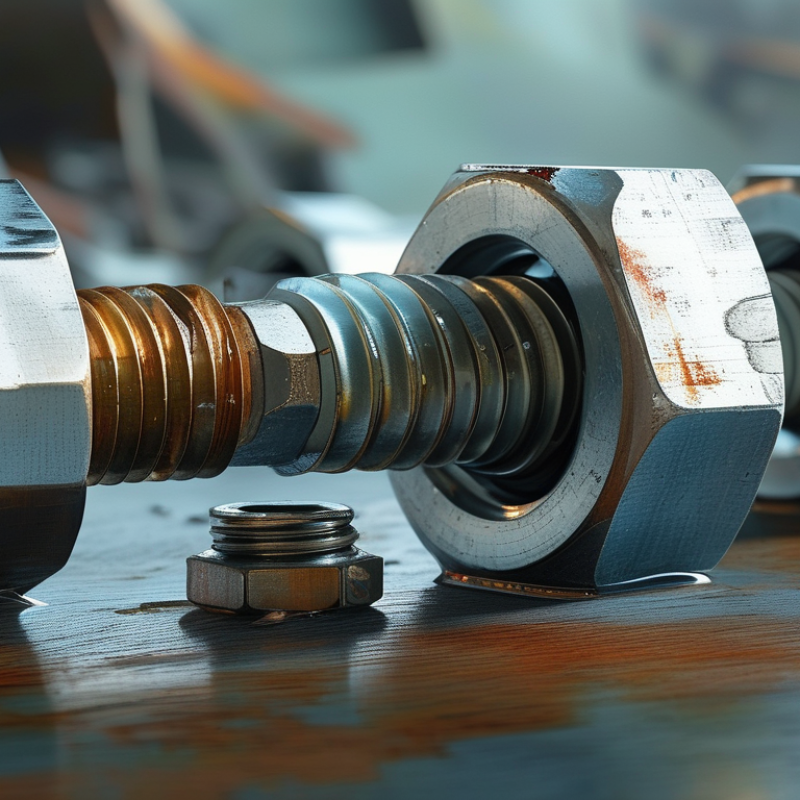
Corrosion Mechanisms Affecting Fasteners: An Overview for 2026
Corrosion plays a significant role in the deterioration of fasteners. Understanding the mechanisms of corrosion helps improve the longevity and reliability of these components. Fasteners are often exposed to moisture, chemicals, and extreme temperatures. These elements can accelerate corrosion, leading to failures that are both costly and dangerous.
Electrochemical reactions are a primary cause of corrosion. When metal fasteners come into contact with an electrolyte, such as water, a galvanic cell forms. This reaction can result in rust, pitting, or other forms of degradation. Certain environments, especially coastal areas, can intensify these reactions. Additionally, the choice of materials plays a crucial role in determining corrosion resistance. Some metals are more prone to oxidation, while others, like stainless steel, offer enhanced protection.
Despite advancements, challenges remain. Not all materials resist every type of corrosion. For example, certain coatings can wear away over time, exposing the underlying metal. Regular monitoring and maintenance can sometimes be overlooked in fastener management. This oversight can lead to unexpected failures. It’s essential for engineers to continually assess the material choices and their environmental compatibility.
Corrosion Resistance of Different Fastener Materials in 2026
Top Materials for Corrosion Resistance: A Comparative Analysis
Corrosion resistance is vital for fasteners in harsh environments. Various materials exhibit different levels of resistance. Selecting the best material involves understanding their properties.
Stainless steel is renowned for its durability. It resists rust and corrosion effectively. However, not all stainless steel types are created equal. For instance, austenitic stainless steel provides excellent resistance but may be prone to galling. This means it can stick to other metals during installation, leading to difficulties.
Tips for choosing materials include assessing the environment. Consider factors like exposure to saltwater or industrial chemicals. Additionally, surface treatments can enhance corrosion resistance. Coatings such as galvanization can provide an extra layer of protection. Remember, while some materials may appear suitable, they might not stand up to real-world conditions.
Another option is titanium, which is highly resistant to corrosion. Its strength-to-weight ratio is impressive. However, titanium fasteners can be expensive and may not be necessary for every application. Always evaluate the specific needs of your project. Selecting the right material is crucial for long-lasting performance and safety.
Industry Standards for Corrosion Resistant Fasteners in 2026
Corrosion resistance remains a critical concern in fastener manufacturing. As industries evolve, so do the standards. The year 2026 marks a significant milestone for corrosion-resistant fasteners. New industry standards focus on enhancing durability and performance across various environments. According to the ASTM International, the A320/A320M specification plays a vital role in defining minimum corrosion resistance levels for bolting materials.
Reports show that a high percentage of fastener failures results from corrosion. About 30% of infrastructure failure relates to inadequate corrosion resistance. Many sectors face pressing challenges regarding material selection. Stainless steel remains popular for its corrosion resistance, but newer alloys are emerging. Nickel-based alloys and certain coatings offer improved protection against rust and degradation.
A recent research study highlighted the importance of adopting standardized testing methods. It noted that nearly 25% of manufacturers do not comply with established corrosion testing protocols. This lack of adherence can lead to inconsistent product reliability. Ongoing dialogue among industry leaders emphasizes the need for improved quality assurance in fabrication methods. Future efforts must aim to refine these standards for better performance in harsher environments.
Performance Metrics: Evaluating Fastener Longevity in Corrosive Environments
When evaluating fastener longevity in corrosive environments, several performance metrics are crucial.
Corrosion resistance is a primary factor, especially in industries like marine, automotive, and construction.
According to a 2022 study by the Corrosion Research Center, stainless steel fasteners can last up to 15 years
in saltwater environments. This durability contrasts sharply with carbon steel, which often fails within a year.
Another critical factor is the fastener's coating. Coatings like galvanization or polymer finish can extend life
by 50%. However, these coatings degrade over time, especially under UV exposure or extreme temperatures.
A detailed report from the Fastener Technology Institute indicates that 20% of coated fasteners tend to corrode
within five years due to inadequate application or poor environmental conditions.
Finally, stress corrosion cracking (SCC) is a lesser-known but significant issue. Materials like aluminum can
be susceptible to SCC, leading to unseen failures. The American Society for Testing and Materials (ASTM)
emphasizes that understanding the environment is vital. Proper material selection can mitigate risks but may
still require ongoing assessment and adjustment. Fastener longevity isn’t just a matter of picking the right
material; it's about understanding how and where it will be used.
Future Trends in Corrosion Resistant Fastener Technology and Innovations
The future of corrosion-resistant fasteners is promising. Innovations in material science are driving advancements. Researchers are exploring new alloys and coatings that enhance durability and resistance. For instance, titanium and its alloys exhibit excellent corrosion resistance, making them ideal for harsh environments. The incorporation of nanotechnology is also gaining attention, allowing for stronger and more resilient fasteners.
Sustainability is becoming a significant focus in fastener technology. Companies are working on eco-friendly materials that do not compromise performance. However, the integration of these materials presents challenges. Some sustainable options may not match traditional fasteners in strength or longevity. It requires careful evaluation to ensure reliability.
Understanding the specific needs of different industries is essential. Fasteners used in marine applications face unique challenges compared to those in construction. This variation calls for tailored solutions that take into account environmental factors. Collaboration between engineers and material scientists is crucial. Continuous innovation will lead to better performance, ensuring that future fasteners can meet the rigorous demands of various applications.
FAQS
: Electrochemical reactions are the main cause. They occur when metal fasteners meet an electrolyte like water.
Corrosion leads to rust, pitting, and degradation. These failures can be costly and potentially dangerous.
Different materials have varying corrosion resistance. Some metals oxidize easily, while others offer better protection.
Not all coatings provide lasting protection. Many wear away, exposing the metal beneath. This can lead to failures.
Standards focus on improving durability. They help ensure that fasteners can withstand harsher environments.
About 30% of failures relate to inadequate corrosion resistance in materials used for fasteners.
Newer alloys and coatings, such as nickel-based alloys, are becoming popular for their enhanced corrosion protection.
No, nearly 25% do not comply with established testing methods. This inconsistency affects product reliability.
Regular monitoring can prevent unexpected failures. Overlooking maintenance can lead to dangerous situations.
Ongoing dialogue is essential to refine standards. Improved quality assurance can enhance performance in harsh conditions.
Conclusion
In the upcoming landscape of 2026, understanding corrosion mechanisms will be crucial for selecting appropriate fasteners in various industries. The article explores the question "What materials are best for corrosion-resistant fasteners?" through a comparative analysis of the top materials available. By examining industry standards, it highlights how advancements in material technology enhance the longevity of fasteners in corrosive environments. Performance metrics are discussed, providing insights into evaluating fastener durability.
Looking ahead, the article delves into future trends and innovations in corrosion-resistant fastener technology. As industries continue to prioritize reliability and longevity, breakthroughs in material science will play a pivotal role in meeting these demands. By integrating new findings and adhering to evolving standards, manufacturers can better equip themselves to combat corrosion and ensure the effectiveness of their fasteners in challenging conditions.

 VLC Part