How to Avoid Low Quality Fasteners When Purchasing in Bulk?

Time:2026-07-23 Author:Sophia
0%

In the fastener industry, quality is paramount. When purchasing in bulk, ensuring that you don't end up with low-quality products is crucial. Industry expert Mark Johnson states, "The right fasteners can make or break a project." His insight emphasizes the importance of diligence when selecting suppliers and products.

Many buyers overlook the details in bulk purchasing. This often leads to costly mistakes. Low-quality fasteners may seem appealing due to lower prices, but they can cause failure in final products. Carefully examining the material and construction of fasteners is essential. It can save money in the long run. Testing samples before committing to large orders is a smart practice.

Furthermore, recognizing reliable suppliers can be challenging. Some vendors prioritize profit over quality. To navigate this, seek recommendations and check reviews. Participating in professional forums can also provide valuable insights. Identifying common issues faced by others can guide your purchasing decisions. Understanding how to avoid low-quality fasteners in bulk purchasing is not just beneficial; it is essential for sustaining project integrity and safety.
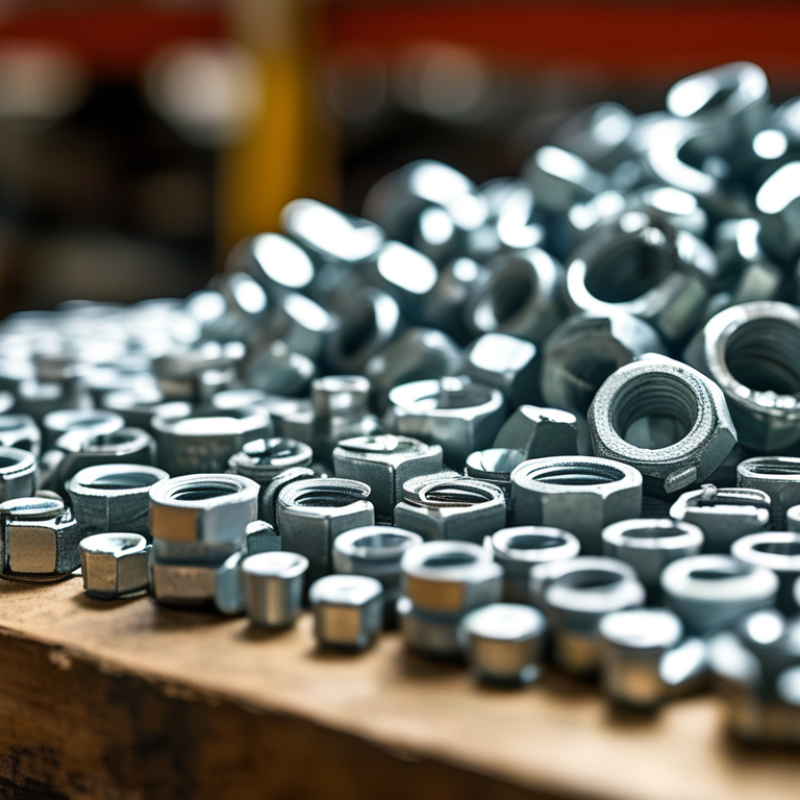
How to Avoid Low Quality Fasteners When Purchasing in Bulk?

Understanding Fastener Quality Standards and Specifications

When purchasing fasteners in bulk, understanding quality standards is crucial. Industries often adhere to specifications set by organizations like ASTM and ISO. These standards ensure consistency in performance and safety. For example, ASTM F3125 outlines specifications for high-strength bolts, providing critical information on material properties and testing methods. Adhering to these standards helps avoid low-quality fasteners.

Tips: Always ask suppliers for certification. Verify that their products meet established industry standards. This simple step can prevent costly failures in your projects.

Quality control is vital when sourcing bulk fasteners. A recent industry report noted that up to 25% of fasteners do not meet required standards. Failing to recognize this issue can lead to structural failures and potential safety hazards. Inspecting samples before bulk orders can help identify quality discrepancies early on.

Tips: Consider engaging in third-party inspections. This investment can save significant time and resources by ensuring that you receive reliable and durable fasteners. Additionally, keep abreast of innovations in fastener technology. New materials and processes may offer improved performance and resilience.

Fastener Quality Comparison by Material Type

Identifying Reliable Suppliers for Bulk Fastener Purchases

When purchasing fasteners in bulk, identifying reliable suppliers is crucial. According to a study by the Fastener Industry Coalition, approximately 25% of fasteners fail quality standards. This statistic stresses the importance of sourcing from trusted manufacturers. Assessing the supplier’s history, certifications, and reputation can help mitigate risks.

Look for suppliers who demonstrate industry certifications such as ISO 9001. This standard ensures they meet quality management principles. Additionally, consider suppliers with established experience in the fastener sector. A commitment to innovation and customer feedback often indicates a responsible supplier.

Communication is vital in this process. Engage with potential suppliers to gauge their knowledge of the industry. Ask about their quality control processes. Transparency should be a red flag if they hesitate to share relevant information. Remember to read reviews and seek references from other companies. Establishing a reliable network can lead to long-term partnerships.

Evaluating Material Types and Strength Ratings of Fasteners

When purchasing fasteners in bulk, understanding material types is crucial. Common materials include steel, stainless steel, and alloys. Steel is often strong but may corrode. Stainless steel offers resistance to rust but can be more expensive. Alloys can combine strengths for specific applications. Ensure you know the requirements of your project.

Strength ratings are equally important. They indicate how much load a fastener can handle. Look for metrics like tensile strength and shear strength. A fastener's performance may differ based on size or coating. Do not assume all fasteners are the same. Always ask for specifications from your supplier.

Sometimes, small details can make a big difference. A miscalculated strength requirement could lead to failures. Review your needs thoroughly. Choosing the wrong fastener might cost more in the long run. Pay attention to these factors for reliable purchases. Your project's success depends on quality fasteners. Trust your judgment but remain open to feedback from experienced peers.

Inspecting Fastener Samples Before Large Orders

When purchasing fasteners in bulk, inspecting samples becomes crucial. High-quality fasteners ensure safety and reliability in projects. When you receive the samples, check for specific features. Look for smooth threading and uniform finishes. Any visible defects must be noted. A simple visual inspection can save you from larger issues later.

Besides appearance, consider the material used. Quality steels or alloys should feel sturdy yet lightweight. Test the strength by applying pressure. Cheap materials may bend or break easily. Understanding the properties of the materials is vital. Ensure that your supplier provides detailed specifications for the samples.

Don’t ignore the sample size. Sometimes, a small batch may not represent the bulk order accurately. Be cautious about a supplier who rushes the process. Take your time to conduct thorough inspections. The cost savings from low-quality fasteners may lead to extensive repairs later. Analyze every detail carefully.

Establishing Quality Assurance Processes for Bulk Purchases

Establishing robust quality assurance processes is essential when purchasing fasteners in bulk. Studies reveal that 25% of fasteners in the industry do not meet basic quality standards. This statistic underscores the importance of implementing detailed inspection protocols. Engage in regular audits of suppliers and verify their certification compliance. A thorough understanding of materials and specifications can prevent costly mistakes.

Incorporating a risk assessment framework can enhance purchasing decisions. Data indicates that organizations with established quality processes reduce defects by 30%. Quality control checks should include tensile strength tests, corrosion resistance evaluations, and dimensional checks. It is crucial to ensure that fasteners not only meet safety standards but also fit the specific application requirements.

Communication with suppliers plays a vital role. Regular discussions can clarify expectations and improve accountability. Some suppliers may not provide consistent quality, leading to potential project delays. Consider developing a scoring system for your suppliers based on performance metrics. This practice encourages transparency and creates a reliable sourcing environment. Reflecting on past purchases can help identify patterns in quality issues and enhance future buying strategies.

How to Avoid Low Quality Fasteners When Purchasing in Bulk? - Establishing Quality Assurance Processes for Bulk Purchases

Dimension Material Type Strength Rating Coating Type Inspection Method
M6 x 30 mm Stainless Steel 70,000 psi Zinc Coated Visual & Dimensional
M8 x 50 mm Carbon Steel 65,000 psi Black Oxide Torque Test
M10 x 60 mm Alloy Steel 100,000 psi Galvanized Tensile Test
M12 x 80 mm Stainless Steel 80,000 psi None Ultrasonic Inspection
M16 x 100 mm Alloy Steel 120,000 psi Bronze Coated Magnetic Particle Test

FAQS

: Why is understanding material types important when buying fasteners?

: Different materials have unique strengths and weaknesses. Steel is strong but can corrode. Stainless steel resists rust. Alloys combine strengths for special applications.

What should I consider about strength ratings?

Strength ratings show how much load fasteners can handle. Key metrics include tensile and shear strength. Size and coating can affect performance.

How can I avoid issues with fasteners?

Small details matter. A miscalculation in strength can lead to failures. Review project needs thoroughly to ensure the right fasteners are used.

Why is inspecting samples vital before bulk orders?

Samples help confirm quality and reliability. Look for smooth threading and uniform finishes. Inspecting can prevent bigger problems later in the project.

How can you ensure the quality of fasteners?

Establish quality assurance processes. Regular audits and detailed specifications help maintain standards. Quality control checks reduce defects and ensure safety.

What is the impact of a supplier's reliability?

Poor supplier quality can lead to project delays. Communicating regularly can clarify expectations and improve accountability. A scoring system can help assess supplier performance.

What materials should I test for strength?

Test the sturdiness of steels or alloys by applying pressure. Cheap materials often bend or break easily. Understand material properties for better choices.

How can I reflect on past fastener purchases?

Analyzing past orders reveals patterns. This reflection helps identify recurring quality issues. Improving future strategies reduces risks.

What is the risk of rushing the inspection process?

Rushing can lead to overlooking critical defects. Thorough inspections are essential to avoid costly repairs. Take your time to examine every detail.

Conclusion

When considering how to avoid low-quality fasteners in bulk purchasing, it's essential to familiarize oneself with fastener quality standards and specifications. Understanding these standards ensures that buyers can discern between various products and select fasteners that meet necessary requirements. Furthermore, identifying reliable suppliers is crucial; conducting thorough research and verifying the supplier's reputation can mitigate risks associated with subpar products.

Evaluating material types and their strength ratings is another key step in ensuring quality. Different fasteners are made from various materials, each suited for specific applications. Before committing to large orders, inspecting samples can further guarantee product integrity. Lastly, establishing quality assurance processes is vital to consistently maintain high standards in bulk purchases, thereby avoiding the long-term consequences of low-quality fasteners.

Sophia

Sophia

Sophia is a dedicated marketing professional with an exceptional depth of knowledge about her company's products and services. With a keen understanding of market trends and customer needs, she crafts insightful blog posts that not only inform but also engage readers, enriching the company’s online......