When engaging in bulk purchasing of fasteners, quality is paramount. Many buyers face the dilemma of choosing between price and quality. Poor choices can result in structural failures and increased costs in the long run. The question is, how to avoid low-quality fasteners in bulk purchasing?
Understanding the characteristics of high-quality fasteners can be a game-changer. Quality fasteners showcase durability and reliability. It's crucial to examine materials and manufacturing processes. Reviewing samples before bulk orders can provide insight into what you are buying.
Experience plays a key role in identifying trusted suppliers. Check reviews and ratings of potential vendors. It’s easy to overlook details in bulk orders, leading to regret later. Engaging with credible sources ensures you make informed decisions. Remember, investing time in research pays off in quality assurance.
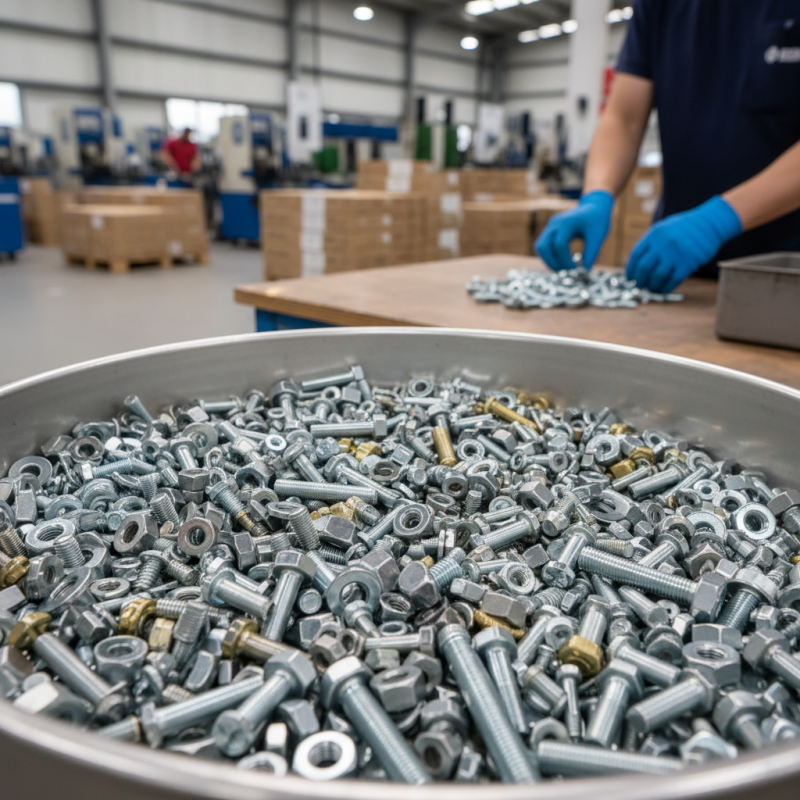
In bulk purchasing, the quality of fasteners can significantly impact project outcomes. Research shows that low-quality fasteners account for up to 30% of assembly failures in industrial applications. This statistic underlines the necessity for careful selection. Poor fasteners can lead to structural failures, resulting in costly recalls and repairs.
Quality fasteners are critical in ensuring the safety and durability of products. According to industry reports, the use of high-grade materials can enhance longevity by 50%, especially in challenging environments. Fasteners made from subpar materials often corrode or break under stress. Choosing quality options not only minimizes risks but also enhances overall performance.
Quality assurance processes must be rigorous. Many suppliers may claim to adhere to standards but often cut corners. Verifying certifications and material specifications can be tedious but is vital. Relying solely on price can lead to regret. A low upfront cost may disguise inferior quality, leading to higher expenses down the line. Ensuring the right fasteners should not be an afterthought; it is an investment in project integrity.
When purchasing fasteners in bulk, identifying low quality is essential. One common sign is rust or visible corrosion. Inspect each fastener closely. If you spot discoloration, consider it a red flag. Another indicator is poor threading. Well-made fasteners feature uniform threads. If they feel rough or uneven, they may not hold well.
Additionally, the material construction matters. Low-quality fasteners often use substandard metals. To ensure durability, look for specific characteristics. A strong fastener should feel heavy. Lightness can indicate inferior materials. Check for irregular shapes too. Good fasteners have precise dimensions. Variances are unacceptable.
Finally, packaging can reveal much about quality. Poor packaging might suggest a lack of care in production. If fasteners arrive loose or disorganized, it could reflect their overall quality. Take time to evaluate before purchasing. Every small detail contributes to the long-term performance of your fasteners.
When looking for reputable suppliers for bulk fasteners, start by conducting thorough research. A reliable supplier should have a clear background. Check their history in the industry. Look for customer reviews. Positive feedback can indicate quality. However, be mindful of overly promotional language. This can sometimes mask underlying issues.
Networking plays a crucial role in finding trustworthy sources. Attend industry trade shows and connect with manufacturers. Personal interactions can reveal insights that online reviews may not. Ask for references and reach out to previous clients. Their experiences can provide valuable information about quality and service.
It’s important to scrutinize the certifications of potential suppliers. Ensure they comply with industry standards and regulations. Certifications are a mark of credibility but not infallible. Always be prepared to question their processes. Sometimes, even recognized suppliers can fall short in quality control. Taking these steps will set you up for better outcomes in your buying decisions.
When evaluating material specifications for fasteners, it is crucial to understand what to look for. The right materials ensure durability and prevent failures. Common materials include stainless steel, carbon steel, and aluminum. Each has distinct properties and is suitable for different applications. For example, stainless steel provides corrosion resistance, while carbon steel offers high tensile strength. Knowing these differences can guide purchasing decisions effectively.
Standards play a vital role in maintaining quality. Specifications are provided by various organizations. These standards dictate the mechanical properties, dimensions, and tolerances of fasteners. Familiarizing yourself with ISO and ASTM standards is essential. Additionally, understanding grades within these specifications helps assess quality. Sometimes, confusion arises from manufacturers that claim compliance without certification. Always verify their claims through documentation.
Be wary of vendors who cannot display their certifications. Not all suppliers are transparent about their product origins. Ask for detailed specifications when making bulk purchases. Discrepancies in material quality can lead to project delays and increased costs. Learning to identify reliable suppliers can make a significant difference in your buying experience.
When receiving bulk fasteners, implementing quality control measures is essential. A recent industry report highlights that nearly 30% of bulk fasteners fail to meet standard specifications. This statistic underscores the importance of thorough inspection upon receipt. Use specific tools like calipers and gauges to assess dimensions. A simple visual inspection can reveal obvious defects.
Operators should pay close attention to packaging. Poor packaging often means neglect in production quality. Document any irregularities as they occur. Maintaining a clear record can help identify patterns in supplier performance. It is crucial to compare these findings against established benchmarks. This practice not only aids in immediate decision-making but also builds reliable sourcing strategies.
Additionally, engaging with fastener testing services can provide further insights. Industry standards, such as ASTM or ISO certifications, should be verified. However, even compliant products can have issues. Random sampling can reveal inconsistencies. Each finding represents an opportunity for improvement. Adjusting supplier relationships based on quality feedback is vital for long-term success. It’s a continuous cycle of assessment and enhancement that lays the foundation for high-quality bulk purchases.
: Start with thorough research. Check suppliers' industry history and read customer reviews for insights.
Be wary of overly promotional language. It can obscure potential issues with the supplier.
Networking at trade shows allows you to connect with manufacturers. Personal interactions can reveal hidden insights.
Scrutinize their certifications. Verify compliance with industry standards, but remain critical of their processes.
Implement quality control. Use tools like calipers to inspect dimensions and perform visual checks for defects.
Poor packaging often signals neglect in production quality. Pay attention to how fasteners are packaged.
Keeping a clear record of issues helps identify patterns and improve supplier performance over time.
They provide insights into quality. Testing can reveal inconsistencies, even in certified products.
Compare inspection findings against benchmarks. Adjust supplier relationships based on quality feedback for better outcomes.
It’s a continuous cycle of assessment. Each finding offers an opportunity for improvement, leading to long-term success.
When considering bulk purchasing, understanding how to avoid low-quality fasteners is crucial for maintaining the integrity of your projects. The first step involves recognizing common signs associated with inferior fasteners, such as inconsistent finishes or poor threading. Researching reputable suppliers plays a vital role, as choosing the right vendor can significantly influence the quality of your fasteners.
Additionally, evaluating material specifications and industry standards ensures that the fasteners meet necessary requirements. Once the fasteners are received, implementing rigorous quality control measures helps identify any issues early on, allowing for timely resolutions. By following these guidelines, you can effectively minimize the risk of encountering low-quality fasteners and secure the reliability of your bulk purchases.

VLC Part