China Top 10 Fastener Factories How to Assess Capacity?

Time:2026-10-21 Author:Ethan
0%

China’s top 10 fastener factories may display impressive machine numbers, yet installed equipment does not equal dependable capacity. A factory can own 200 cold-heading machines and still miss delivery dates. The real question is practical: How to evaluate the production capacity of fastener factories under normal operating conditions?

Taiichi Ohno, a leading production-system expert, said, “Without standards, there can be no improvement.” His principle applies directly to fastener sourcing. Buyers should request verified output records, not attractive production claims. Check machine models, die-station limits, hourly output, working shifts, maintenance stoppages, and actual utilization. Walk through the plant if possible. Look for wire coils waiting beside heading machines, unfinished parts near thread rollers, and pallets labeled with production dates. These details reveal flow more clearly than a brochure.

Capacity also depends on quality control. A factory producing 500,000 bolts daily may lose much of that output through rejected threads, incorrect hardness, or inconsistent plating. Review inspection reports, laboratory equipment, calibration records, and recent customer batches. Ask whether production figures include subcontracted processes. That point is often unclear.

A reliable assessment should compare theoretical capacity with proven monthly shipments. It should examine peak-season performance, labor availability, tool-room support, and backup equipment. No evaluation is perfect. Supplier data can be incomplete, and one factory visit shows only one moment. Therefore, buyers should combine audits, sample orders, shipment records, and independent verification. The strongest factory is not always the largest. It is the one that can repeat acceptable output, month after month.
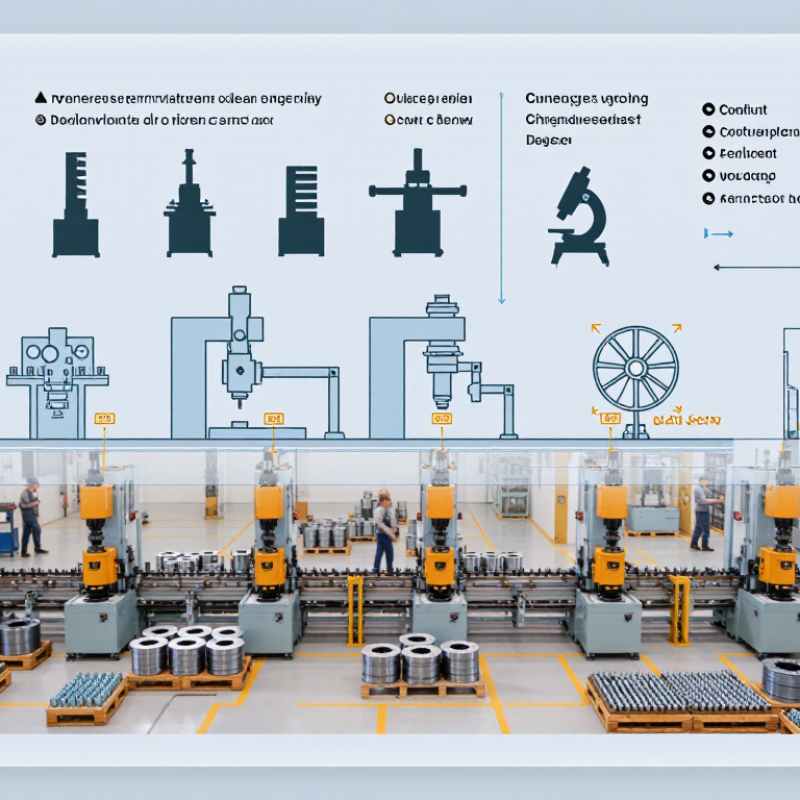
China Top 10 Fastener Factories How to Assess Capacity?

Defining Capacity in China’s Fastener Manufacturing Industry

Defining Capacity in China’s Fastener Manufacturing Industry

Fastener capacity is more than the number of machines on a factory floor. It means the stable volume a facility can produce, inspect, pack, and ship within a specific period. A reliable assessment should examine monthly output by product type, diameter, material, and finish. A plant may claim 5,000 tons annually, but that figure can hide seasonal overtime or outsourced processing.

Look for production records covering at least twelve months. Compare them with purchase orders, material consumption, inspection reports, and shipping documents. Machine quantity matters, but tooling availability matters more. A line making standard bolts may lose several days when dies require replacement. Small details matter. Check furnace capacity, plating schedules, testing equipment, and warehouse space. These often become the real bottlenecks.

During a factory visit, observe the workflow at different times, not only during a prepared tour. Ask how many shifts operate, how maintenance affects output, and what happens during urgent orders. Capacity data should also separate theoretical output from sustainable output. That number is incomplete. I have seen impressive workshops with limited inspectors and crowded storage areas. Their machines were fast, yet finished goods moved slowly. A cautious buyer should request recent samples, verify process ownership, and confirm whether subcontracting affects quality control. Capacity is credible when records, equipment, people, and delivery performance support the same picture.

Identifying the Top 10 Fastener Factories in China

Identifying China’s top 10 fastener factories requires more than checking online rankings. A reliable shortlist should combine production capacity, quality systems, technical expertise, and delivery records. Review each factory’s manufacturing licenses, inspection procedures, equipment list, and export history. Ask for recent audit reports and traceability samples. A serious supplier can explain where raw materials come from and how each batch is tested.

Capacity must be measured by product type, not by a single impressive number. Request monthly output for bolts, nuts, screws, or customized parts separately. Check machine quantities, shift schedules, heat-treatment access, warehouse space, and average lead times. During a factory visit, observe production flow, gauge calibration, packaging, and unfinished inventory. Be careful with “maximum capacity.” It may describe ideal conditions, not normal output. I have found that actual utilization and quality consistency often matter more.

Tips: Compare three months of production records. Ask how orders are handled during peak seasons. Confirm whether critical processes are performed in-house or outsourced. Request a small trial order before making a larger commitment. Keep notes, because factory visits can create false confidence. A polished showroom proves little. Reliable evidence does.

China Top 10 Fastener Factories: How to Assess Capacity?

Identifying the Top 10 Fastener Factories in China

This screening model evaluates fastener manufacturers using measurable capacity indicators. Installed production capacity and actual throughput receive the highest weighting, while automation, quality systems, delivery performance, traceability, and export readiness help distinguish factories with reliable and scalable operations. Production claims should be verified through audited records, equipment lists, production data, quality certificates, and customer references.

Evaluating Production Equipment, Workforce, and Factory Scale

China Top 10 Fastener Factories: How to Assess Capacity?

A factory’s capacity begins with its production equipment, not its advertised output. Check cold heading machines, thread rolling lines, heat treatment furnaces, and surface finishing systems. Equipment lists alone are insufficient. Ask for machine age, rated speed, actual utilization, and maintenance records. A line producing 80,000 pieces hourly may operate below half that rate because of frequent die changes. Inspect calibration certificates and sample production records. These details reveal whether figures are practical.

Workforce quality also affects capacity. Count operators per shift, technicians, inspectors, and maintenance staff. Ask how new workers learn setup procedures and defect control. Experienced teams reduce downtime during material changes. Review attendance data and shift coverage. A factory with many machines but weak night-shift supervision may miss delivery targets. Talk with production managers and observe one complete shift. Short visits can mislead.

Factory scale requires more than measuring floor space. Examine raw material storage, finished-goods areas, loading access, power stability, and internal material flow. Check whether key processes are performed onsite or regularly outsourced. Outsourcing is not automatically a weakness, but it changes scheduling risk. Compare monthly production logs with claimed capacity. My first estimate was too optimistic. Actual output depends on product size, tolerance, tooling, and order mix. No review is perfect. Record uncertainties, then request evidence before making a final judgment.

Verifying Quality Systems, Certifications, and Delivery Performance

A fastener factory’s stated capacity means little without quality evidence and delivery records. During supplier audits, request the production plan, machine list, shift pattern, and recent inspection logs. Then compare these records with actual monthly shipments. A factory running 95% utilization may lack room for urgent orders. That is capacity risk.

Quality systems need more than a certificate on the wall.
Verify the certificate number, scope, issuing body, and expiration date independently. The ISO Survey 2022 recorded over 1.2 million ISO 9001 certificates worldwide, but certification alone does not prove process discipline. Check material certificates, heat-treatment records, calibration labels, and batch traceability. For critical fasteners, review testing against applicable standards such as ISO 898-1 or ASTM requirements. Ask to see failed-test reports. Honest factories keep them.

Delivery performance should be measured by purchase order, not promises. Request twelve months of on-time delivery data, including partial shipments and customer-approved delays. The World Bank’s Logistics Performance Index 2023 gathered evidence from 4,090 supply-chain professionals across 139 economies. It highlights the importance of shipment reliability and tracking visibility. Ask how the factory handles port congestion, rejected lots, and sudden specification changes. Look for corrective-action records, not polished presentations. One weakness remains common: buyers often verify production machines but ignore subcontracted plating. Audit that link too.

Comparing Capacity Data to Select the Right Fastener Supplier

Selecting among China’s top ten fastener factories requires more than reading their advertised annual capacity. Compare production data on the same basis: tons per year, pieces per month, or finished orders shipped. These figures are not interchangeable. Ask for installed machines, working shifts, line utilization, and the largest bottleneck. A factory may list 30,000 tons of theoretical capacity but deliver only half that volume.

World Steel Association data reports China produced about 1,019 million tonnes of crude steel in 2023, nearly 54% of global output. This confirms strong material availability, but it does not prove every factory has stable fastener capacity. Compare each supplier’s recent shipment records with UN Comtrade HS 7318 trade data. Request twelve months of invoices, production schedules, and delivery performance. ISO 898-1 testing records can also reveal whether capacity includes reliable inspection, not only forming and packing. A low price can hide weak control.

Tips: Build a simple capacity table. Record machines, shifts, monthly output, defect rate, and on-time delivery. Visit during production hours. Count active lines, not empty equipment. Ask for one recent order’s raw-material receipt, inspection report, and packing date. The comparison may feel imperfect. That is useful. Supplier claims should be tested, not accepted.

China Top 10 Fastener Factories How to Assess Capacity? - Comparing Capacity Data to Select the Right Fastener Supplier

Factory ID Rated Annual Capacity
(Metric Tons)
Current Capacity Utilization Cold Heading Lines Thread Rolling Lines Monthly Export Capacity
(Metric Tons)
Standard Lead Time
(Days)
On-Time Delivery Rate Average Defect Rate
(PPM)
Material Traceability Production Flexibility Capacity Confidence Score
Factory 01 18,000 72% 18 14 920 25–35 96.8% 420 Full batch-level records High 92/100
Factory 02 12,500 68% 12 10 610 28–40 95.9% 510 Full batch-level records High 89/100
Factory 03 25,000 81% 25 21 1,180 30–45 97.4% 360 Full batch-level records Medium 94/100
Factory 04 8,600 63% 9 7 390 20–30 94.7% 620 Heat-number records High 84/100
Factory 05 15,800 76% 16 13 760 25–38 96.1% 475 Full batch-level records High 90/100
Factory 06 6,200 59% 7 5 280 18–28 92.8% 780 Heat-number records High 78/100
Factory 07 21,500 79% 22 18 1,050 32–48 96.6% 395 Full batch-level records Medium 91/100
Factory 08 10,400 66% 11 9 500 24–36 95.2% 560 Heat-number records High 86/100
Factory 09 30,000 84% 30 24 1,420 35–55 97.1% 330 Full batch-level records Low to medium 95/100
Factory 10 9,000 61% 10 8 430 22–34 93.6% 690 Heat-number records High 82/100
Assessment notes: Rated annual capacity represents planned output under normal operating conditions. Capacity confidence combines utilization, equipment availability, delivery performance, quality stability, traceability, and production flexibility. Defect rate is expressed in parts per million based on internal inspection and customer-return records.

FAQS

What does real fastener capacity include?

Real capacity covers production, inspection, packing, and shipping within a defined period. Machine count alone proves little. Monthly output should identify product type, diameter, material, and finish.

How can buyers verify a factory’s stated capacity?

Request at least twelve months of production records. Compare them with purchase orders, material use, inspection reports, and shipping documents. The numbers may still be imperfect.

Why is sustainable capacity more useful than maximum capacity?

Maximum capacity often assumes ideal conditions and overtime. Sustainable capacity reflects normal shifts, maintenance, staffing, and seasonal pressure. That is the practical number.

Which factory bottlenecks deserve close attention?

Check tooling, furnace space, surface-treatment schedules, testing equipment, inspectors, and warehouse space. A fast forming line can still wait for testing or storage.

What should buyers observe during a factory visit?

Visit during active production hours, not only prepared tours. Count running lines, inspect calibration practices, and watch material flow. Empty machines can create false confidence.

How should capacity be compared between suppliers?

Use the same measurement for every supplier, such as monthly pieces or shipped tons. Record shifts, line utilization, defect rates, and delivery performance. Mixed units create misleading comparisons.

How can a buyer check whether production is outsourced?

Ask which processes happen in-house, including heat treatment and surface finishing. Request process records and ownership details for one recent order. Outsourcing is not automatically poor, but hidden control gaps matter.

What evidence should support a trial order?

Match the order with a raw-material receipt, inspection record, packing date, and shipment record. A small trial can reveal delays and quality variation. It is useful, but not perfect.

Why should buyers examine inspectors and finished-goods storage?

Limited inspectors may delay release or weaken checking. Crowded storage can slow packing and shipment. Finished goods should move clearly from inspection to dispatch.

What warning signs suggest exaggerated capacity claims?

Watch for impressive annual figures without monthly records. Be cautious when equipment is unused, warehouses are crowded, or delivery data is missing. The showroom may look better than the workflow.

Conclusion

Assessing the capacity of China’s fastener factories requires more than reviewing annual output figures. The first step is to define capacity through practical indicators such as monthly production volume, product range, material availability, equipment utilization, and the ability to handle urgent or customized orders. To identify suitable candidates among the top 10 fastener factories in China, buyers should examine factory size, workforce organization, production lines, automation level, tooling resources, and maintenance procedures. These factors reveal whether a supplier can maintain stable production as order volume increases.

How to evaluate the production capacity of fastener factories also involves verifying quality management systems, relevant certifications, inspection equipment, process controls, and historical delivery performance. Capacity information should be compared using consistent measurements, including lead time, defect rates, on-time delivery, and scalable output rather than relying on isolated claims. By combining factory visits, documented production data, sample inspections, and communication with technical teams, buyers can select a reliable fastener supplier whose actual capabilities match their quality, volume, and delivery requirements.

Ethan

Ethan

Ethan is a seasoned marketing professional with a deep expertise in our company's innovative product line. With a passion for sharing knowledge and insights, he takes the lead in regularly updating our corporate blog, where he explores industry trends, product features, and effective marketing......