How to Assess Fastener Factory Production Capacity in 2026?

Time:2026-06-07 Author:Henry
0%

In the evolving landscape of manufacturing, understanding production capacity remains critical. In 2026, fastener factories face unique challenges and opportunities. Companies must determine "how to evaluate the production capacity of fastener factories" effectively. This process involves various metrics and tools that can measure capabilities accurately.

Assessing production capacity is not just about numbers. It also requires keen observation and industry knowledge. Experts recommend evaluating machinery efficiency, workforce skill levels, and supply chain reliability. These factors play a vital role in understanding true production potential.

However, many businesses overlook key indicators. For instance, they may focus solely on output without considering downtime or material quality. This narrow view can lead to inaccurate assessments. A well-rounded evaluation helps identify strengths and weaknesses in manufacturing processes. Embracing these complexities can enhance decision-making and lead to greater success in the competitive fastener market.
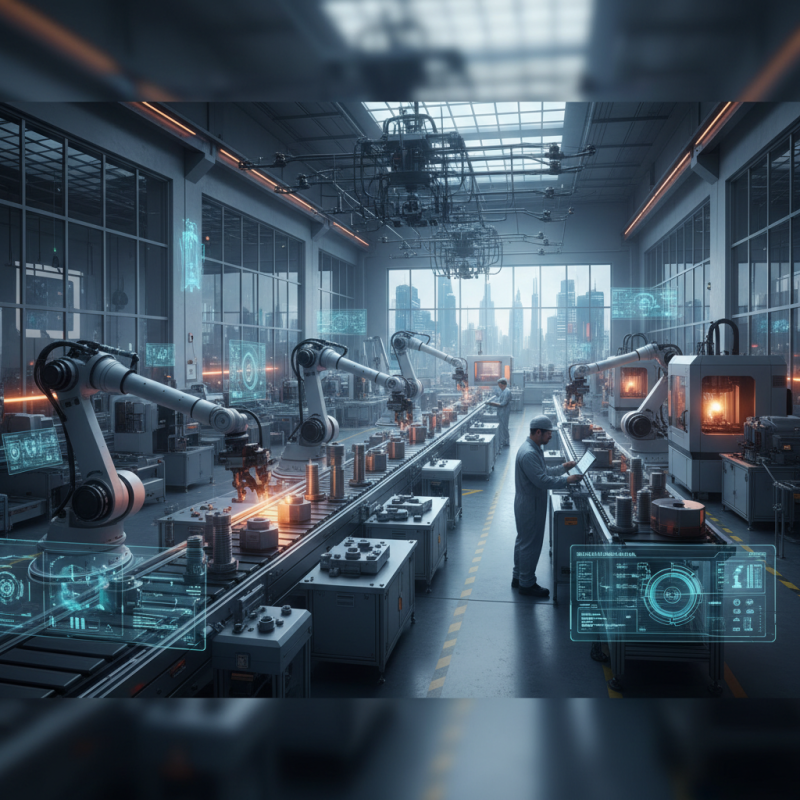
How to Assess Fastener Factory Production Capacity in 2026?

Understanding Production Capacity in Fastener Manufacturing

Assessing production capacity in fastener manufacturing is crucial for future planning. A recent industry report indicates that the global fastener market is projected to reach $110 billion by 2026. Understanding production capacity requires analyzing several factors, including machine productivity, labor availability, and supply chain efficiency.

In a typical fastener factory, machine utilization rates are vital. Reports suggest that optimal utilization should exceed 85%. However, many factories struggle to achieve this, leading to underperformance. Labor force skills also play a critical role. Skilled workers can improve throughput by up to 30%, yet there is a persistent skills gap in the industry.

Supply chain disruptions can affect production capacity significantly. Recent data shows that nearly 40% of manufacturers faced delays due to material shortages. This stark reality highlights the need for contingency strategies. Factories that can adapt to these challenges will likely have a competitive edge in 2026. Therefore, identifying and addressing such gaps in capacity assessment is essential for sustained growth.

Key Factors Influencing Factory Output in 2026

Evaluating fastener factory production capacity in 2026 involves several crucial factors. One of the primary elements is technology integration. Modern factories are increasingly adopting automation and artificial intelligence. These advancements enhance efficiency but also require significant upfront investment. Not every factory can afford such changes, leading to disparities in output capabilities.

Another critical factor is workforce skill levels. As production processes evolve, so do the required skills. Factories must invest in training programs to upskill employees. A skilled workforce can significantly improve output quality and speed. However, attracting and retaining talent remains a persistent challenge in many regions.

Supply chain reliability also plays a vital role. Fluctuations in raw material availability can hinder production. This unpredictability can stem from global events or local market dynamics. Factories must create robust relationships with suppliers to ensure a steady flow of inputs. Some factories may struggle with these relationships, affecting their overall productivity. Focusing on these elements is essential for a comprehensive assessment.

Methods for Evaluating Fastener Production Efficiency

Assessing fastener production efficiency is crucial in 2026. Evaluating output involves several key methods. One common approach is to analyze machinery performance. Monitoring machine uptime helps identify bottlenecks. If downtime occurs frequently, it can indicate maintenance issues.

Another method is workforce productivity assessment. Employee skill levels directly affect production rates. Ensuring proper training and evaluating staff performance can optimize efficiency. Regular feedback sessions can help identify areas needing improvement.

Additionally, data analytics plays a vital role. Collecting and analyzing production data reveals trends and inefficiencies. This data-driven approach allows factories to make informed decisions. However, relying solely on data might overlook human factors. This balance is essential for accurate assessments. Engaging workers in the evaluation process can yield insights that analytics may miss.

Technological Innovations Impacting Production Capacity

In 2026, fastener factories will face new challenges and opportunities driven by technological innovations. Automation technologies, such as robotics, will significantly enhance production capacity. These advanced robots can operate around the clock, improving efficiency. However, integrating such systems can require substantial upfront investment. Smaller factories might struggle with these costs.

Another game-changer is advanced data analytics. By utilizing real-time data, factories can optimize production processes. Predictive maintenance will reduce downtime, allowing for seamless operations. Yet, this technology requires skilled personnel familiar with data systems. Many factories may need to invest in employee training and development.

Sustainability will also impact fastener production. Environmentally friendly practices are gaining traction. Factories must adapt their processes to meet new regulatory demands. This shift could enhance brand reputation but poses challenges for quality control and cost management. Balancing innovation and operational reliability remains crucial.

Market Trends Shaping Fastener Manufacturing in 2026

The fastener manufacturing industry is evolving rapidly, driven by technology and market demands. In 2026, sustainability will take center stage. Eco-friendly materials and processes are essential. This shift impacts production capacity, as factories must adapt to these changes.

Tips: Evaluate your factory's current processes. Identify areas for improvement. Investing in green technology can enhance capacity and sustainability.

Another trend is the rise of automation. Robotics and AI streamline operations. Factories can increase efficiency and reduce labor costs. However, over-reliance on technology may lead to vulnerabilities. Human oversight remains crucial.

Tips: Balance automation with skilled labor. Regular training keeps your team updated on new technologies.

Market research shows a growing demand for customized fasteners. Clients require flexibility in production. Factories must be agile to meet these needs. Rigid systems may fall short in 2026.

Tips: Develop a responsive production model. Engage with clients regularly to understand their evolving preferences.

Fastener Factory Production Capacity Assessment - 2026

This bar chart illustrates the projected production capacity of fastener factories in 2026 across various regions. The data reflects anticipated manufacturing capabilities driven by market demand and technological advancements.

FAQS

: Why is evaluating fastener production efficiency important?

: It's crucial for identifying bottlenecks and improving overall output in 2026.

How can machinery performance be assessed?

Monitoring machine uptime helps identify maintenance issues and reduce downtime significantly.

What role does workforce productivity play?

Employee skill levels directly impact production rates. Proper training can optimize efficiency.

How does data analytics help in production?

Analyzing production data reveals trends and inefficiencies, supporting informed decision-making.

What challenges does automation present?

Upfront investment costs can be significant, particularly for smaller factories integrating new technology.

Why is sustainability a key trend in fastener manufacturing?

Eco-friendly practices are becoming essential, impacting production capacity and brand reputation.

How can factories balance automation and labor?

Regular training keeps the team updated on technology, ensuring human oversight remains essential.

What is the effect of market demand for customized fasteners?

Factories must adopt responsive production models to meet evolving client needs effectively.

Why engage workers in the evaluation process?

Workers provide insights that data analysis might overlook, enhancing overall evaluation accuracy.

What are potential downsides of relying solely on data?

It might ignore human factors that are crucial for understanding production dynamics.

Conclusion

The article "How to Assess Fastener Factory Production Capacity in 2026?" delves into the essential components of evaluating production capacity in the fastener manufacturing sector. It begins by outlining the foundational concepts of production capacity, emphasizing the importance of understanding how much output a factory can achieve. Key factors influencing factory output in 2026, such as labor efficiency, raw material availability, and economic conditions, are discussed.

Moreover, the article explores various methods for evaluating fastener production efficiency, including performance metrics and benchmarking against industry standards. It highlights the impact of technological innovations on production capacity, showcasing how advancements can streamline processes and improve output. Finally, the article addresses market trends shaping the fastener manufacturing landscape in 2026, providing a comprehensive overview of how to evaluate the production capacity of fastener factories amidst these evolving dynamics.

Henry

Henry

Henry is a dedicated marketing professional with a profound expertise in the company's offerings. With years of experience in the industry, he possesses an impressive understanding of the market dynamics and consumer behaviors that drive success. Henry is committed to sharing his insights through......