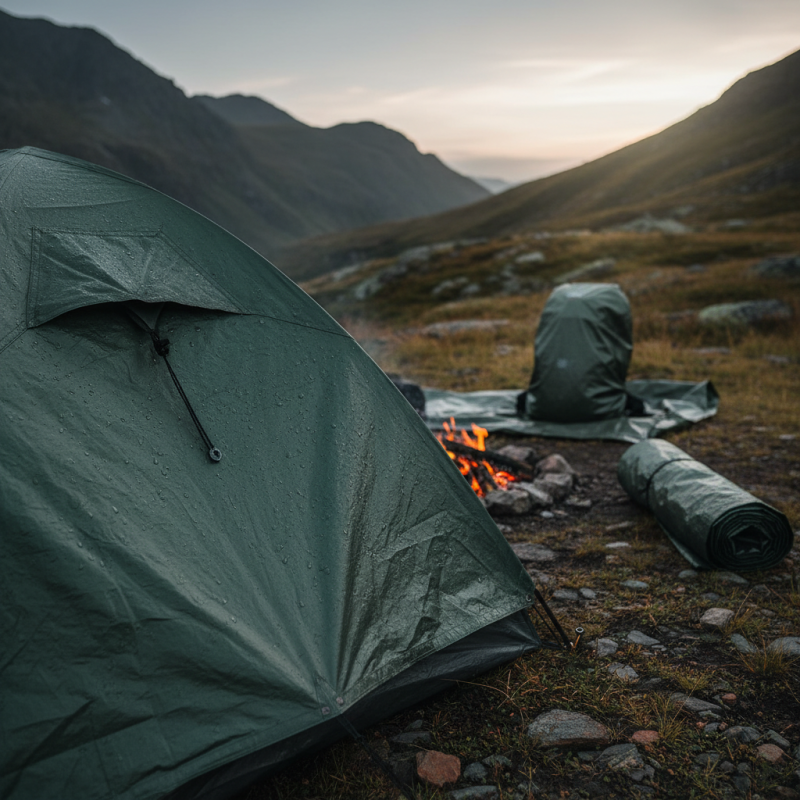
What is PVC Tarpaulin and its Uses for Outdoor Gear?
PVC Tarpaulin is a versatile material widely used in outdoor gear. Its durability makes it an excellent choice for various applications. This waterproof fabric can withstand harsh weather conditions, ensuring that your gear remains protected.
Many outdoor enthusiasts use PVC Tarpaulin for tents, tarps, and gear covers. It offers strength and longevity, essential for camping and hiking adventures. However, over time, users may notice wear and tear, which prompts reflection on maintenance.
The benefits of PVC Tarpaulin are clear, but it may not be perfect for every use. Some users find it heavy or bulky. It's essential to consider these factors when choosing outdoor materials. Overall, PVC Tarpaulin remains a popular choice for those seeking resilience in outdoor activities.
What is PVC Tarpaulin? Definition and Composition Analysis
PVC tarp, short for polyvinyl chloride tarpaulin, is a versatile material widely used in outdoor gear. It is made from a woven fabric coated with PVC, providing durability and weather resistance. This composition leads to a waterproof surface that can withstand harsh environmental conditions. According to recent industry reports, the global market for PVC tarpaulins is expected to grow significantly, with a projected value reaching $2 billion by 2025. This growth highlights the increasing demand for robust outdoor solutions.
The versatility of PVC tarpaulin makes it ideal for various applications. It is commonly used in tents, canopies, and covers for boats, trucks, and equipment. Its resistance to mildew and UV rays adds to its appeal for camping gear.
However, there are drawbacks. Some environmental concerns arise regarding PVC production and disposal. The recycling rates for PVC tarpaulins remain low, presenting challenges for sustainability efforts. These aspects need careful consideration as the industry pushes for more eco-friendly alternatives.
In ensuring quality, manufacturers often face issues like inconsistencies in thickness and strength. This variability can affect performance. While PVC tarpaulin offers great benefits, it is crucial to address these imperfections to enhance user experience. Proper selection based on specific needs is essential for maximizing its potential in outdoor gear.
Key Properties of PVC Tarpaulin: Durability, Flexibility, and Waterproofing
PVC tarpaulin is a versatile material known for its key properties. It is exceptionally durable, which makes it ideal for various outdoor applications. When exposed to harsh weather conditions, PVC tarpaulin withstands rain and strong sunlight without degrading. This durability means that gear made from PVC can last for years, saving users money in the long run.
Flexibility is another standout quality. PVC tarpaulin remains pliable, even in colder temperatures. It can easily be rolled up or folded without cracking or losing shape. This feature is particularly beneficial for outdoor gear that must be transported frequently. Users can pack and unpack items with less hassle, but they should ensure proper storage to avoid unnecessary wear.
Waterproofing is vital for outdoor gear. PVC tarpaulin excels in this area, keeping items protected from moisture. Whether it’s a tent, a cover, or a backpack, the material ensures that contents stay dry. However, one must consider that prolonged exposure to water can eventually lead to issues. Regular maintenance is essential to prolong the life of gear made from this material.
PVC Tarpaulin Key Properties
Common Applications of PVC Tarpaulin in Outdoor Gear Industries
PVC tarpaulin is a versatile material widely used in various outdoor gear applications. This heavy-duty fabric is known for its durability, water resistance, and UV protection. As a result, it has become a popular choice for tents, tarps, and covers.
One common application is in camping gear. Tents made from PVC tarpaulin are ideal for those unpredictable weather conditions. They can withstand heavy rain and strong winds, ensuring a dry and safe camping experience. Moreover, tarps made from this material can provide additional shelter for cooking or relaxing.
Another significant use is in outdoor sports equipment. PVC tarpaulin is utilized in inflatable kayaks and paddle boards. These products benefit from the material's strength and light weight. When properly maintained, they can last for years, making them a worthwhile investment.
**Tips:**
Keep your PVC gear clean and dry. Regular cleaning can prolong its lifespan. Also, avoid prolonged sun exposure to prevent fading. Store items in a cool, dry place when not in use. Protect them from sharp objects to prevent damage.
What is PVC Tarpaulin and its Uses for Outdoor Gear? - Common Applications of PVC Tarpaulin in Outdoor Gear Industries
| Application | Description | Advantages |
| Tarps | Heavy-duty covers for protecting equipment and outdoor gear from weather conditions. | Waterproof, UV resistant, and durable. |
| Banners | Used for advertising and promotional purposes in outdoor settings. | Vibrant colors, strong weather resistance, and easy to print on. |
| Tent Fabrics | Material used for constructing waterproof tents and canopies. | Lightweight, strong, and waterproof. |
| Inflatable Structures | Used in inflatable boats, air tents, and temporary promotional structures. | Flexible, durable, and air-tight. |
| Backpacks | Material for waterproof and robust outdoor backpacks. | Water-resistant, lightweight, and strong. |
Market Trends: Demand and Growth of PVC Tarpaulin in Outdoor Gear
PVC tarpaulin has emerged as a vital material in outdoor gear, driven by its durability and versatility. The global market for PVC tarpaulin in outdoor applications is witnessing substantial growth. According to a recent market analysis, the demand for this material is projected to increase by over 5% annually. This rise is fueled by the growing outdoor activities and adventures.
Outdoor gear, such as tents, awnings, and covers, increasingly utilize PVC tarpaulin. It resists weather elements well, offering protection against water, UV rays, and tearing. The market trend indicates a preference for lightweight yet robust materials. Surprisingly, many consumers still overlook the importance of materials in outdoor gear. This raises questions about consumer awareness and education in choosing the right products.
Despite its advantages, PVC tarpaulin production does raise environmental concerns. While the material is practical, manufacturers face challenges regarding sustainability. Eco-friendly alternatives are slowly emerging, but they currently lack the same level of performance. As consumers become more environmentally conscious, the industry must evolve. Balancing performance with environmental responsibility is essential for future growth.
Environmental Impact and Sustainability of PVC Tarpaulin Use
PVC tarpaulin is widely used in outdoor gear due to its durability and weather resistance. However, its environmental impact raises important questions. PVC, or polyvinyl chloride, is a synthetic plastic. The production process involves toxic chemicals. These substances can pollute air and water. Furthermore, the disposal of PVC products often leads to environmental harm.
While PVC tarpaulin is popular for camping and outdoor activities, it's crucial to consider sustainability. Recycling options for PVC are limited. Many end up in landfills, contributing to plastic waste. Alternatives made from natural materials may offer a more eco-friendly solution. Biodegradable tarpaulins are becoming available. These options aim to reduce long-term environmental effects.
The conversation around PVC tarpaulin emphasizes the need for reflection. Outdoor enthusiasts should weigh the benefits against the ecological footprint. Exploring new materials could lead to healthier choices. Innovation in the industry would benefit both users and the planet.