Why is Hydraulic Proportional Valve Important for Industrial Applications?
The Hydraulic Proportional Valve plays a crucial role in modern industrial applications. Its ability to control fluid flow with precision makes it indispensable for various machinery. By adjusting the hydraulic pressure, this valve allows for smooth and responsive movements.
In industries such as manufacturing and construction, efficiency is paramount. Hydraulic Proportional Valves enable operators to fine-tune the speed and force of hydraulic systems. This level of control minimizes waste and enhances productivity. However, many overlook the importance of regular maintenance. Neglect can lead to failures, impacting overall operations.
Moreover, these valves contribute to energy savings. They only use power when needed, reducing operational costs. Yet, ensuring they work optimally requires attention. Users must understand potential issues and be proactive. Recognizing the strengths and weaknesses of Hydraulic Proportional Valves can lead to better decision-making in industrial settings.
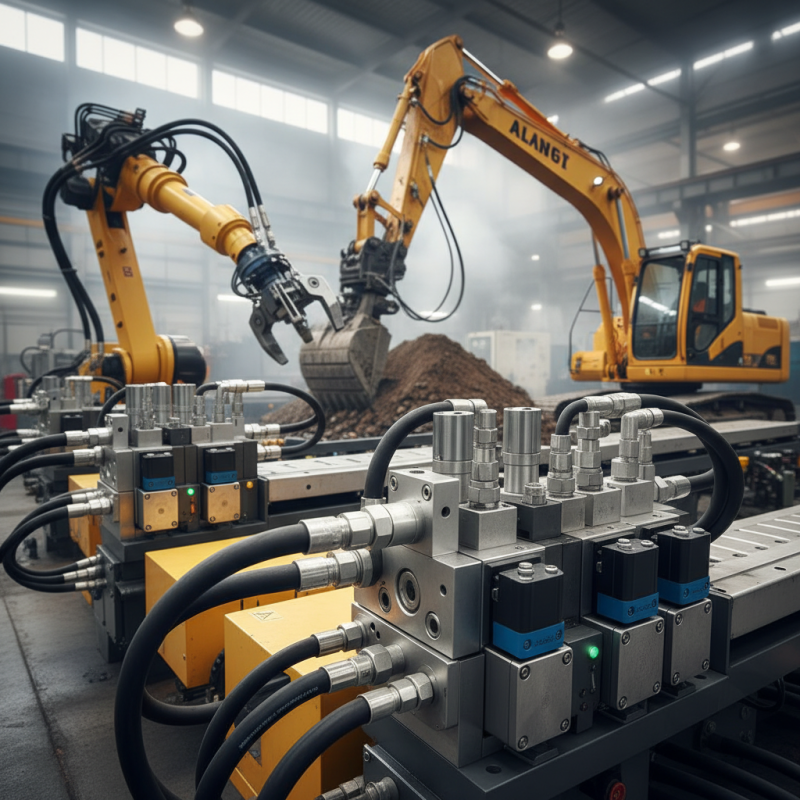
Definition and Functionality of Hydraulic Proportional Valves
Hydraulic proportional valves play a vital role in industrial applications. They regulate fluid flow and pressure precisely, ensuring equipment operates efficiently. This precision leads to improved task performance in machinery, which is crucial in domains such as manufacturing and automation.
According to a recent market analysis, the hydraulic valve market is expected to grow significantly. This growth reflects the increasing need for automation in various industries. Proportional valves create a more controlled environment for machinery, which translates to reduced wear and tear. By providing proportional flow, these valves enhance the responsiveness of systems, making them essential for tasks like material handling and robotics.
Tip: Regular maintenance of hydraulic proportional valves can extend their lifespan. Inspect seals and connections to avoid leaks.
The functionality of hydraulic proportional valves is rooted in their ability to respond to electrical signals. This response enables the precise adjustment of fluid flow, allowing for varied operational speeds and force. In sectors where precision is paramount, these valves enable real-time adjustments. However, improper tuning can lead to inefficiencies. Many operators overlook this aspect, ultimately impacting productivity.
Tip: Calibration may be needed if you notice fluctuations in performance. Always consult technical manuals for best practices.
Key Applications of Hydraulic Proportional Valves in Industry
Hydraulic proportional valves play a crucial role in various industrial applications. These valves are essential for controlling fluid flow and pressure with precision. They adjust the hydraulic pressure in real-time, ensuring machinery operates smoothly and efficiently. This is vital in sectors such as manufacturing, automotive, and aerospace.
One key application is in CNC machining. Here, hydraulic proportional valves help achieve desired cutting speeds and pressures. This improves product quality and reduces waste. In excavation equipment, these valves enable gradual movement, enhancing safety during operations. Operators can maintain control over large machinery, reducing the risk of accidents.
Tips: Always consider the specific requirements of your application. Evaluate factors like pressure range and flow rate. Regular maintenance of these valves can prevent costly downtime. Remember, efficiency in your hydraulic system directly impacts productivity.
In plastics manufacturing, these valves ensure consistent quality by regulating injection pressure. Any fluctuation can lead to defects. Hydraulic proportional valves are also utilized in material handling systems. They support precise lifting and lowering of heavy loads. This minimizes the risk of damage to goods and equipment.
Reflecting on applications, we should ask if we are maximizing efficiency. Monitoring and adjusting system parameters is key. Ensure your systems are aligned with technological advancements.
Benefits of Using Hydraulic Proportional Valves in Machinery
Hydraulic proportional valves play a crucial role in industrial applications by enhancing the performance of machinery. These valves allow for precise control of fluid flow and pressure. According to a report by MarketsandMarkets, the global hydraulic valve market is expected to reach $6.8 billion by 2025. This growth indicates a rising demand for efficient machinery in sectors like construction, agriculture, and manufacturing.
Using hydraulic proportional valves leads to significant benefits. For instance, they enable smoother motion control in hydraulic systems. This results in improved responsiveness and accuracy in machine operations. Real-time adjustments in flow rate enhance energy efficiency, often reducing operational costs by up to 20%. However, inconsistencies in valve calibration can lead to performance issues. Regular maintenance is vital to ensure maximum efficiency.
Furthermore, the flexibility of hydraulic proportional valves contributes to their importance. They can be adapted to various applications, from mobile equipment to stationary machinery. However, their complexity can pose challenges. Incorrect installations may result in system failures, leading to downtime and expenses. Balancing precision and reliability remains a constant concern in industrial settings.
Benefits of Using Hydraulic Proportional Valves in Industrial Applications
Comparison with Traditional Hydraulic Valves: Advantages and Disadvantages
Hydraulic proportional valves play a crucial role in modern industrial applications. Unlike traditional hydraulic valves, these proportional valves offer finer control of flow and pressure. This results in smoother operation in machinery. A report by the International Journal of Advanced Manufacturing Technology states that using proportional valves can enhance productivity by up to 25%.
Traditional hydraulic valves often operate in an on-off manner. This can lead to sudden changes in pressure, which may cause stress on equipment. In contrast, proportional valves allow for gradual adjustments. However, they are typically more expensive and can require more maintenance. The Technical Insights Report notes that while traditional valves can provide simple solutions, their lack of flexibility limits their applicability in advanced manufacturing setups.
Despite their benefits, some challenges remain. Proportional valves can be complex to integrate. Additionally, they require advanced control systems, which can increase initial setup costs. The decision between these two types of valves should consider the specific needs of the application. Not every system will require the dampening capabilities of proportional valves, and sometimes traditional valves may suffice for less demanding tasks.
Future Trends and Innovations in Hydraulic Proportional Valve Technology
Hydraulic proportional valves are crucial for precise control in industrial applications. As technology advances, future innovations in this field are rapidly evolving. The global hydraulic components market is projected to grow significantly, reaching $59.3 billion by 2027. This growth is driven by the increasing demand for energy efficiency and automation in industries.
New trends focus on integrating IoT capabilities into hydraulic systems. Smart valves can provide real-time data, enhancing performance and reliability. Industry reports suggest that 70% of manufacturers are investing in smart technologies, aiming for improved operational efficiency. However, the challenge lies in maintaining compatibility with existing systems. Many companies struggle with retrofitting older equipment with new technology.
Moreover, the push for sustainability is reshaping valve technology. Innovations like biodegradable hydraulic fluids are gaining traction. Reports indicate a 25% increase in demand for eco-friendly solutions. There's a need for a balanced approach, as transitioning to these new technologies can be slow and costly. Manufacturers must weigh the benefits against their implementation challenges carefully.

