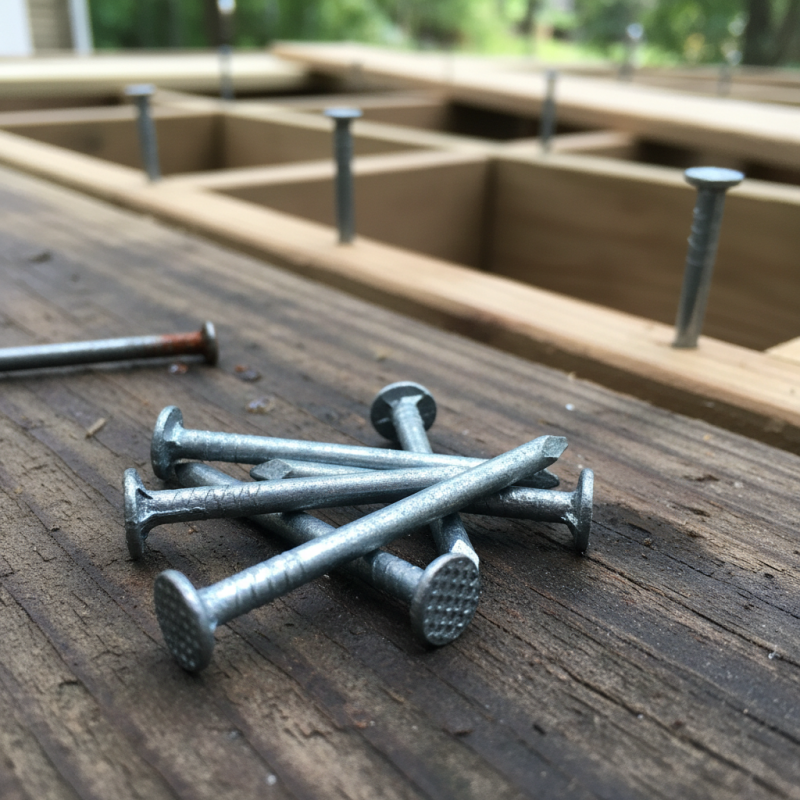
What Are Galvanized Nails and Their Best Uses?
Galvanized nails are essential in construction and woodworking. Their treatment helps prevent rust and corrosion. According to a 2021 industry report, over 60% of builders prefer using galvanized nails for outdoor projects. This preference stems from their durability.
In humid or wet conditions, regular nails quickly succumb to rust. Galvanized nails, however, withstand such environments. They maintain structural integrity, offering reliable support in various applications. A study indicates using galvanized nails can extend the lifespan of structures by 30%. This statistic highlights their importance.
Despite their advantages, there are drawbacks. Galvanized nails are not suitable for all materials. For instance, using them with certain types of wood can lead to chemical reactions. Proper selection and knowledge are crucial for maximizing their benefits. Understanding these factors can improve project outcomes significantly.
What Are Galvanized Nails?
Galvanized nails
are fasteners coated with a layer of zinc. This coating helps prevent rust and corrosion. They are essential in various construction and outdoor applications. Many people appreciate their durability and strength. However, not all tasks require galvanized nails.
These nails are best used in woodwork, particularly in humid environments. They hold up well against moisture and harsh weather. Yet, some users might find they are not needed for indoor projects. In dry conditions, regular nails can perform just as well. There’s a fine line in choosing the right type for each job.
Using galvanized nails can be straightforward. Just be cautious not to use them with certain metals, as it can cause corrosion issues. The zinc coating may also affect the finish when used in visible areas. Take time to consider the right application. It’s always good to reflect on your choices in materials before starting a project.
The Process of Galvanization Explained
Galvanization is a key process that enhances the durability of nails. It involves coating steel or iron with zinc. This zinc layer protects the underlying metal from corrosion. A report by the American Galvanizers Association states that galvanized nails can last three to four times longer than their non-galvanized counterparts in outdoor applications.
The process itself involves cleaning the metal, dipping it in a molten zinc bath, and allowing it to cool. This bonding creates a protective layer. However, the quality of the galvanization can vary. In some cases, inadequate coating or uneven thickness may result from poor manufacturing processes. This can lead to premature rusting, undermining the effectiveness of the nails.
While galvanized nails are widely used, they are not suitable for every project. They may react with certain types of treated wood, leading to staining. Therefore, understanding the specific applications and limitations of galvanized nails is crucial for successful results.
What Are Galvanized Nails and Their Best Uses?
| Nail Type | Gauge | Length (inches) | Best Uses |
| Common Galvanized Nails | 16 | 3 | Framing, Decking |
| Roofing Nails | 12 | 1 | Installing Shingles |
| Finish Nails | 18 | 2 | Trim Work, Cabinets |
| Siding Nails | 8 | 1.5 | Vinyl and Wood Siding |
| Decking Screws | 10 | 2.5 | Deck Construction |
Common Materials Used for Galvanized Nails
Galvanized nails are commonly used for various construction projects. They are coated with zinc, which protects them from rust and corrosion. This feature makes them a popular choice for outdoor applications. However, not all materials are suitable for galvanization. Understanding common materials used for galvanized nails is essential.
The primary material for galvanized nails is steel. Steel offers strength and durability. Additionally, it is readily available and cost-effective. Sometimes, stainless steel is used for extra resistance against rust. Yet, it is often more expensive. The coating process typically involves dipping the nails into molten zinc, ensuring a robust layer.
Another key material is the grade of steel. Nails come in different grades, affecting their hardness and resistance. Higher-grade nails often perform better, but they may require more investment. Many people overlook the importance of selecting the right grade. This oversight can affect the longevity of a project. Proper research is vital to ensure the best choice is made.
Best Applications for Galvanized Nails in Construction
Galvanized nails are coated with zinc to prevent rust and corrosion. This makes them suitable for various construction applications. They are especially effective in environments with high moisture. Using these nails helps prolong the life of structures.
In outdoor projects, galvanized nails shine. They hold wooden fences, decks, and siding securely. These nails resist weather elements, ensuring stability. However, they can splinter some woods if not used carefully. Choosing the right size is crucial for effectiveness. Oversized nails may cause cracking.
In roofing, these nails form a vital connection. They ensure shingles stay in place during storms. Proper placement is key; misalignment can lead to leaks. Galvanized nails also work well in framing and roofing. But, consider the wood type. Some may react poorly with the zinc coating.
Advantages and Disadvantages of Using Galvanized Nails
Galvanized nails are coated with zinc to prevent rust. They are used in various construction projects due to their durability. However, like any material, they come with both advantages and disadvantages.
One major advantage of galvanized nails is their resistance to corrosion. This makes them ideal for outdoor projects or areas with moisture. They can hold up well for years without deteriorating. Additionally, these nails provide a strong grip, ensuring secure connections in framing and decking.
On the downside, galvanized nails can be more expensive compared to regular nails. The extra cost might not be justifiable for every project. They can also expand and contract with temperature changes, which may lead to loosening over time. Some users report issues with paint adherence on the zinc surface, making finishing tasks challenging.
Tips: Always consider the environment where you'll use galvanized nails. For outdoor projects, they are often the best choice. For inside applications, they might not be necessary. Measure and choose the right length and gauge for your specific project, as this will affect strength and stability.