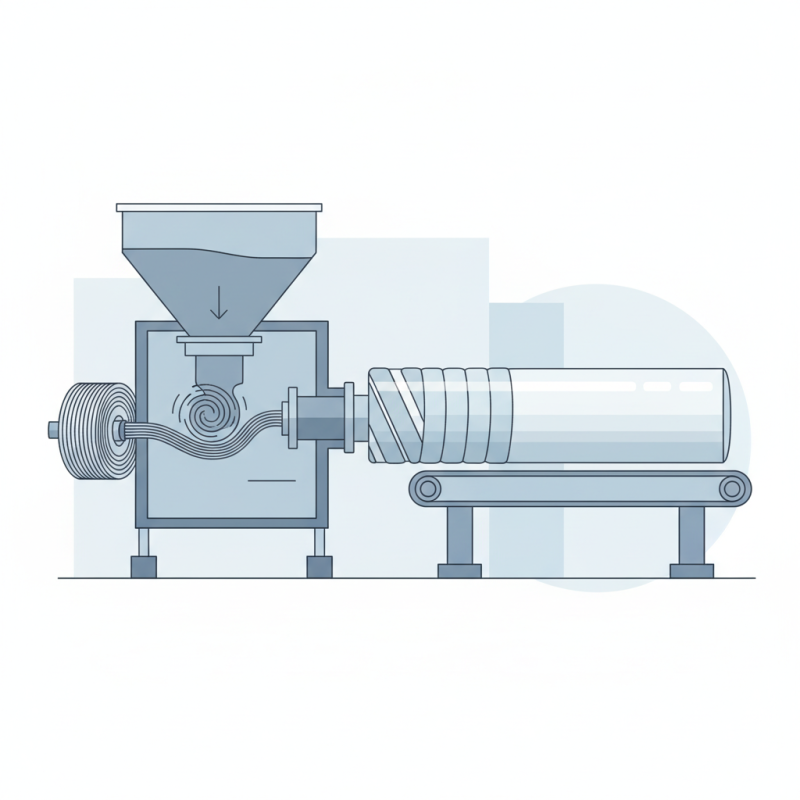
What is an FRP Pipe Machine and How Does It Work?
The frp pipe machine plays a crucial role in modern manufacturing. These machines are designed to produce fiberglass reinforced plastic pipes. They are vital in industries where durability and resistance to corrosion are necessary.
An frp pipe machine functions by combining resin and fiberglass. This process results in strong, lightweight pipes ideal for various applications. Many companies rely on these machines for efficient production. However, not all machines meet quality standards. Some manufacturers may cut corners, leading to subpar products.
Inadequate machines can lead to significant failures. This emphasizes the need for thorough checks before production begins. The choice of an FRP pipe machine is critical for long-term success. Businesses must reflect on their equipment choices to ensure they meet industry standards. Investing in high-quality machinery can save costs in the long run.
What is an FRP Pipe Machine?
An FRP pipe machine is designed for producing fiber-reinforced plastic pipes. These machines combine resin and fibers effectively. The result is a strong and lightweight pipe suitable for various applications.
The working principle is quite interesting. Raw materials enter the machine and are processed through several stages. The fibers are cut and combined with resin. This mixture is shaped into a pipe using molds. The curing process solidifies the structure. Temperature control is essential here.
However, the machine's operation isn't without challenges. For instance, achieving the right blend of resin and fiber can be tricky. Improper measurements can lead to weak points in the pipe. Quality checks are crucial but often overlooked. Ensuring each pipe meets standards requires diligence and attention. It's a learning process for manufacturers to refine their techniques.
FRP Pipe Production Statistics
This chart illustrates the annual production output of FRP pipes in different diameter categories over the course of several years. The data shows how the production has changed over time, providing insight into market trends and the adoption of FRP technology.
Key Components of an FRP Pipe Machine
An FRP pipe machine is essential in producing fiberglass reinforced plastic pipes. These machines consist of several key components that work together to create durable and lightweight pipes. One of the main components is the resin mixing unit. This unit blends resin with hardeners and additives. Proper mixing is crucial to achieve the desired pipe properties.
Next, there's the winding station. This part of the machine applies layers of fiberglass around a mandrel. The fiberglass is saturated with the mixed resin. It is vital to ensure even application for strength. Imperfections during this stage can lead to weak points in the final product.
Additionally, temperature control systems are necessary. They help maintain the right conditions for curing the resin effectively.
The curing chamber is another important component. It allows the resin to harden while maintaining optimal temperatures. A failure in temperature management can compromise the entire production batch.
Besides these, the control panel monitors the process. Mistakes in settings can result in inconsistent pipe quality. Despite advanced technology, human error can still happen. Each component plays a crucial role in the quality of the final product. Reflection on each step is necessary for improvement.
The Manufacturing Process of FRP Pipes
FRP pipes, or Fiber Reinforced Polymer pipes, are becoming essential in various industries. The manufacturing process of FRP pipes involves several critical steps. It starts with the selection of materials, mainly fiberglass and resin, known for their strength and durability. Mixing these components must be done with precision. Improper ratios can lead to weak structures.
The next step is the winding process. In this phase, fibers are wound around a mandrel. This helps create the pipe's shape. Typically, an automated machine controls the winding to ensure consistency. A recent report suggested that precise winding can improve pipe strength by up to 30%. After winding, the pipe undergoes curing. This process solidifies the resin and enhances durability.
**Tip:** Always monitor the temperature during curing. It impacts the final product's integrity.
Quality control is vital in the manufacturing process of FRP pipes. Inspecting pipes for defects can prevent costly failures later. Some manufacturers use non-destructive testing methods. They check for cracks or weaknesses without damaging the pipe.
**Tip:** Invest time in training staff on quality checks. This impacts overall productivity.
What is an FRP Pipe Machine and How Does It Work? - The Manufacturing Process of FRP Pipes
| Data Dimension | Description |
| Material Type | Fiberglass Reinforced Plastic (FRP) |
| Manufacturing Process | Using automated machines for winding, molding, and curing |
| Key Features | Corrosion resistance, lightweight, high strength |
| Applications | Water transportation, chemical processing, environmental applications |
| Production Capacity | Varies by machine, typically ranges from 200 to 1000 meters per day |
| Quality Control | Testing for thickness, pressure, and durability |
| Market Trends | Increasing demand in various industries contributes to market growth |
Applications and Benefits of FRP Pipes
FRP pipes, made from fiber-reinforced polymer, are gaining traction in various industries due to their unique properties. In sectors like wastewater management, these pipes show remarkable corrosion resistance. Reports indicate that corrosion can cost the global economy over $2.5 trillion annually. FRP pipes withstand harsh chemicals, reducing maintenance costs significantly. They last longer than traditional materials, contributing to lower lifecycle costs.
Another application is in the oil and gas industry. FRP pipes can handle high pressure and temperature, ensuring safe transport of materials. According to a market analysis, the FRP pipe market is expected to grow at a CAGR of 5.8% from 2022 to 2030. This growth reflects increasing demand for lightweight and durable materials. However, challenges remain. The manufacturing process can be complex, requiring skilled labor and precise quality control.
Moreover, the environmental impact of FRP production raises concerns. While they are recyclable, the process is not widely implemented. It’s essential to address these issues to maximize benefits. The balance between advanced material use and sustainability must be achieved for a healthier future.
Maintenance and Troubleshooting for FRP Pipe Machines
FRP pipe machines require regular maintenance to function effectively. Common issues include misalignment and wear of components. According to industry reports, improper maintenance can lead to a 30% decrease in production efficiency. Operators should inspect the machine daily. Check for any signs of wear or misalignment. This can save time and avoid costly repairs.
Tips for maintaining your FRP pipe machine: Always clean the machine after use. Accumulated debris can increase wear. Lubricate moving parts as per the manufacturer's guidelines. Regular lubrication can enhance the lifespan of components.
Troubleshooting is also crucial. If the machine produces inconsistent pipe thickness, check the settings. You might need to adjust the temperature or pressure. These small tweaks can make a significant difference. Remember, not addressing small issues can lead to larger problems down the line. Aim to resolve minor inconsistencies promptly to maintain quality.