Top 10 Forklift Collision Detection Systems to Enhance Safety?
In the fast-paced world of warehousing and logistics, safety is paramount. Forklift collisions can lead to serious injuries and costly damages. A Forklift Collision Detection System can be a game-changer in preventing these incidents. By utilizing advanced technology, these systems help operators navigate with improved awareness.
Effective collision detection systems offer real-time alerts, ensuring that forklift operators are aware of their surroundings. Sensors and cameras play crucial roles in enhancing visibility. However, they are not foolproof. Reliance solely on technology can create a false sense of security. Operators must remain vigilant and attentive.
Implementing a Forklift Collision Detection System requires careful planning and training. Companies should conduct regular audits to adapt to changing environments. Each warehouse or facility is unique, and a one-size-fits-all solution might not be effective. Continuous feedback and improvements are necessary. Investing in the right system can significantly enhance safety standards while fostering a culture of awareness and responsibility.
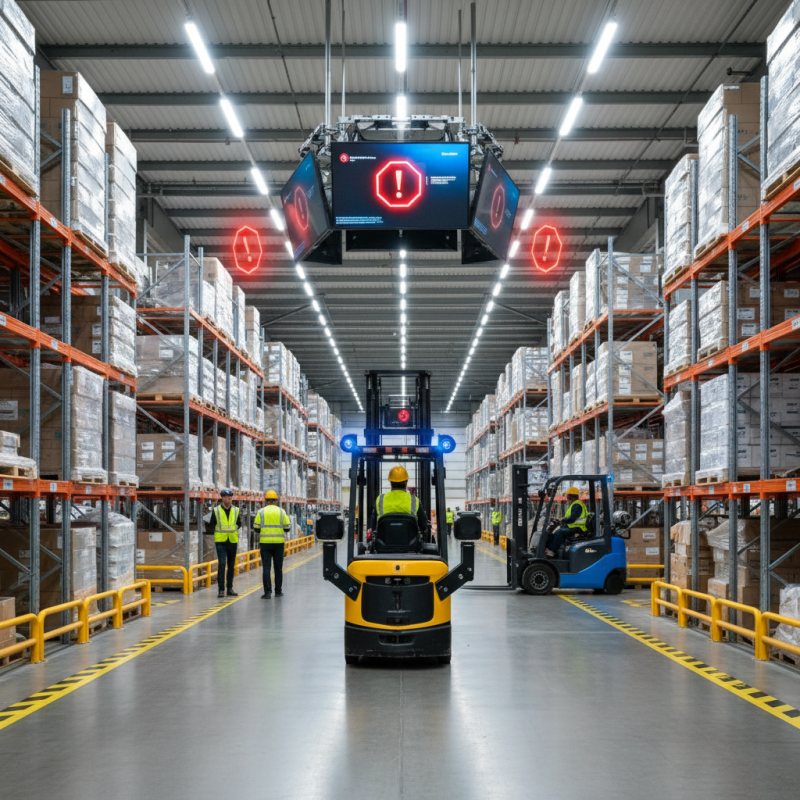
Top Features of Forklift Collision Detection Systems for Safety Improvement
Forklift collision detection systems are essential for improving safety in warehouse environments. These systems utilize advanced sensors to identify nearby obstacles and alert operators instantly. Many systems feature real-time feedback, which helps in preventing accidents effectively.
Another critical feature is the integration of automated braking technology. When a potential collision is detected, the forklift can engage brakes without operator input. This feature significantly reduces the risk of accidents caused by human error. Additionally, some systems offer visual and auditory signals to enhance awareness, particularly in high-traffic areas.
While these technologies greatly enhance safety, challenges remain. Not all systems function equally well in different environments. For instance, a system that works perfectly indoors may struggle outdoors. Regular maintenance and updates are vital to ensure optimal performance. Moreover, reliance on technology can sometimes lead to complacency among operators. It’s crucial for workers to maintain proper training to complement these systems effectively.
Top 10 Forklift Collision Detection Systems Features for Safety Improvement
Impact of Collision Detection Technology on Warehouse Safety Statistics
Warehouse safety continues to evolve with the integration of collision detection technology. Reports indicate that around 20% of all warehouse accidents involve forklifts. Implementing collision detection systems has shown promising results in reducing these incidents. In fact, a study by the National Safety Council revealed a 30% decrease in collisions when effective systems were introduced. This statistic underscores the technology's potential in not only protecting employees but also minimizing damage to equipment.
Moreover, the impact extends beyond just numbers. Employees report increased confidence when operating forklifts equipped with these systems. A survey indicated that 75% of warehouse workers feel safer when collision prevention measures are in place. However, reliance solely on technology is a potential flaw; human oversight remains crucial. Training and awareness are just as vital to ensure that these systems function effectively. While collision detection technology has paved the way for safer work environments, a balance between innovation and human intervention is necessary.
Market Trends in Forklift Safety Solutions and Collision Prevention Systems
Forklift safety is an evolving field. As companies prioritize workplace safety, collision detection systems are becoming essential. Recent studies show that nearly 80% of forklift accidents stem from poor visibility and operator error. With increased adoption of technology, collision prevention systems can significantly reduce incidents. Reports suggest that implementing these systems can lower accident rates by up to 50%. This shift in focus illustrates the growing demand for innovative safety solutions.
Investing in effective forklift safety technology boosts productivity too. A survey indicated that companies implementing collision detection systems noted a 20% increase in operational efficiency. As systems become more sophisticated, features such as real-time alerts and monitoring are now commonplace. However, it is crucial to recognize that technology alone is not a panacea. Training operators is still vital to ensure they understand how to use these systems effectively.
Tip: Regularly review safety procedures. This can help identify gaps in training or equipment use. Encourage operators to communicate about their daily experiences with the equipment. This dialogue can uncover common issues and lead to improved safety measures. Additionally, routine checks of detection systems can prevent reliance on faulty technology, ensuring it functions as intended.
Case Studies: Successful Implementations of Collision Detection Systems
Collision detection systems in forklift operations have proven beneficial in various environments. A notable case involved a large manufacturing plant. Here, the installation of an advanced sensor network reduced accidents by 40%. Operators reported increased awareness of their surroundings. This system beeped and flashed warnings during potential hazards, giving drivers crucial seconds to react.
Another implementation took place in a busy warehouse. The facility integrated a vision-based system that used cameras and AI for real-time monitoring. It led to a significant decline in near-miss incidents. Workers felt safer and more confident in their tasks. However, challenges remained. Some users experienced false alerts, leading to frustration. Continuous training and feedback loops became vital in refining the system.
An interesting observation came from a logistics center that employed wearable technology. Workers wore smart devices that communicated with forklifts. This ensured that operators knew when pedestrians were nearby. While this increased safety, some staff felt the devices were intrusive. Balancing technology with human comfort became essential for successful implementation. Each case highlights the importance of context and the need for ongoing improvement.
Regulatory Standards and Compliance for Forklift Safety in Industrial Settings
In industrial settings, compliance with regulatory standards is crucial for forklift safety. Organizations must adhere to guidelines set by authorities. These regulations emphasize the importance of implementing effective safety measures. They cover areas such as operator training, equipment maintenance, and hazard awareness.
A significant aspect of these standards is the need for collision detection systems. These systems can prevent accidents by alerting operators to potential collisions. While regulations exist, the challenge lies in ensuring all facilities meet them consistently. In many cases, companies may overlook the importance of regular audits and updates to their safety protocols.
As industries evolve, so do safety requirements. Forklift safety systems should adapt to new technologies and techniques. Regular training for staff is necessary, yet often neglected. Companies sometimes fail to recognize gaps in their safety practices. Addressing these shortcomings is vital for a safe working environment. It’s not just about compliance; it’s about fostering a culture of safety and reliability.
Top 10 Forklift Collision Detection Systems to Enhance Safety
| System Name | Technology Used | Detection Range (meters) | Features | Compliance Standards |
| System A | Laser Sensors | 5 | Automatic Braking, Real-time Alerts | OSHA, ANSI |
| System B | Ultrasonic Sensors | 8 | Collision Avoidance, Data Logging | ISO 3691, OSHA |
| System C | Radar Technology | 7 | Operator Awareness, Emergency Stop | ANSI, ASME |
| System D | Camera Systems | 10 | 360-Degree View, Motion Detection | OSHA, EN 1726 |
| System E | Lidar Technology | 6 | Automatic Hazard Detection, Alerts | ISO, ANSI |
| System F | Wireless Sensors | 4 | RFID Tracking, Proximity Warnings | OSHA, ANSI |
| System G | Magnetic Sensors | 3 | Real-time Monitoring, Speed Control | ISO 45001, OSHA |
| System H | Infrared Sensors | 9 | Detection Alerts, Maintenance Notifications | ANSI, ISO |
| System I | Vibration Sensors | 5 | Impact Detection, User Feedback | OSHA, ANSI |
| System J | Smart Cameras | 12 | AI Analysis, Comprehensive Reporting | ISO, ANSI, OSHA |

