Why is a V Belt Idler Pulley Essential for Your Machinery Performance?
The efficiency of machinery often hinges on its components. Among these, the v belt idler pulley plays a critical role. This small yet vital part alters the belt's direction and tension.
Without the v belt idler pulley, machines can face numerous challenges. Misalignment can lead to wear and tear. Over time, this increases maintenance costs and downtimes. It's a crucial component that shouldn’t be overlooked.
Operators often forget to check the v belt idler pulley. Failing to do so can diminish overall performance. Regular inspections can prevent unexpected breakdowns. Embracing this simple habit can enhance machinery reliability and longevity.
The Role of V Belt Idler Pulleys in Machinery Operation
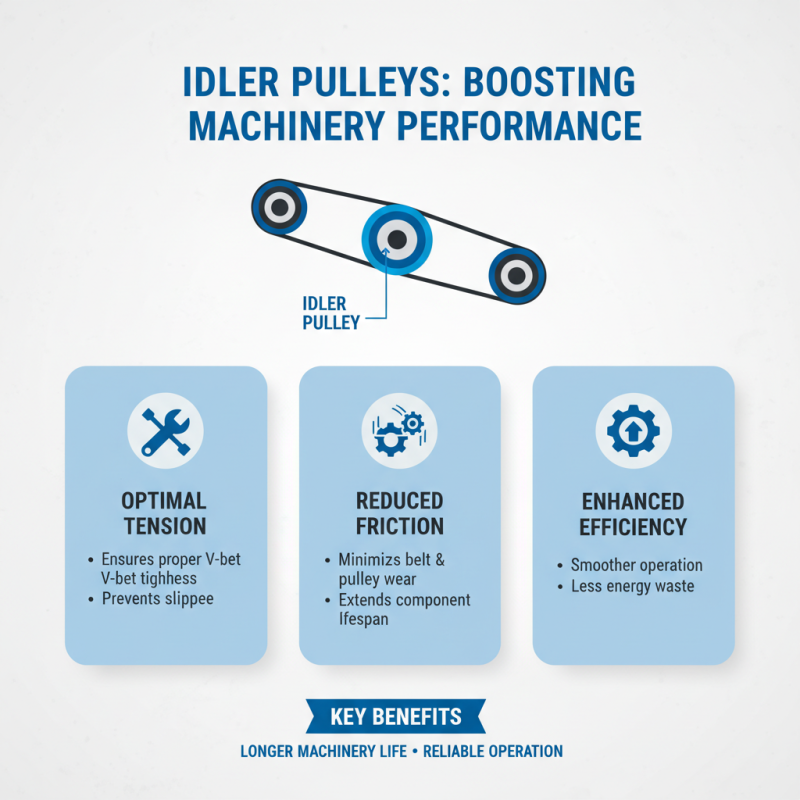
V belt idler pulleys play a crucial role in machinery operation. They help maintain proper tension in V belt systems. This tension is vital for transferring power efficiently. According to industry reports, maintaining the right belt tension can reduce energy consumption by up to 15%. This efficiency boosts overall machinery performance significantly.
When using idler pulleys, one common oversight is neglecting routine checks. Lack of maintenance can lead to increased wear. Pulleys may become misaligned over time. This can cause belts to slip or wear unevenly. Regular inspections can prevent these issues. Consider using alignment tools to ensure proper setup.
Tip: Always keep an eye out for unusual noises. Strange sounds can indicate problems. Addressing these quickly can save time and costs. Investing in quality maintenance will enhance the lifespan of the entire system. Remember, careful attention to idler pulleys often leads to smoother operation and fewer breakdowns.
Types of V Belt Idler Pulleys and Their Specific Functions
V belt idler pulleys come in various types, each serving specific functions. One common type is the tensioner pulley. It helps maintain the correct tension in the belt system. Ensuring proper tension prevents slippage and wear. Without it, belts may become loose, and performance could drop significantly.
Another type is the guide pulley. This pulley directs the belt along its path. It ensures smooth operation and reduces friction. When the guide pulley wears out, it can lead to misalignment. This misalignment can cause further damage to the belt and the machinery itself. The maintenance of these pulleys is often overlooked, which can lead to costly repairs.
Understanding the different types of idler pulleys is crucial. Each has a role in the overall performance of the machinery. Regular checks can avoid unexpected breakdowns. For example, a worn-out idler pulley may not show obvious signs at first. Operators should learn to recognize subtle issues. It’s a constant learning process to keep machinery running smoothly.
How Idler Pulleys Enhance Power Transmission Efficiency
Idler pulleys play a crucial role in machinery efficiency. They help guide belts and reduce friction, ensuring smooth operation. An efficient power transmission system depends on these pulleys. They maintain correct tension, preventing slippage and wear. This functionality becomes vital in systems requiring precision, such as conveyors and industrial machinery.
Without idler pulleys, belts may sag or misalign. This can lead to energy loss and mechanical failure. Even slight misalignments can disrupt operations. The consequences may not be immediately visible but can result in significant downtime. Regular inspection of these components is essential for sustained performance.
Selecting the right idler pulley can be challenging. Various sizes and materials are available, each suited for specific applications. It's vital to consider the environment where the machinery operates. Dust and moisture can affect pulley life. Hence, frequent monitoring is necessary to ensure optimal performance and prevent costly repairs.
Why is a V Belt Idler Pulley Essential for Your Machinery Performance?
| Dimension |
Value |
| Belt Width (inches) |
1.5 |
| Pulley Diameter (inches) |
4 |
| Pulley Material |
Cast Aluminum |
| Maximum Load Capacity (lbs) |
1000 |
| Efficiency Improvement (%) |
15 |
| Temperature Range (°F) |
-20 to 200 |
Common Issues and Maintenance Tips for Idler Pulleys
Idler pulleys play a critical role in machinery performance. They guide and support V belts, ensuring smooth operation. Common issues often arise due to wear and tear. For instance, misalignment can lead to belt slippage, reducing efficiency by up to 15%. Regular maintenance is crucial to avoid such problems.
To extend the life of idler pulleys, consider these tips. Regularly inspect the pulley for signs of wear, such as cracks or excessive noise. A worn pulley may lead to belt fraying, which can disrupt operation. Ensure proper tension on the belts to prevent slippage. Excessive tension can damage both the belt and the idler pulley, leading to costly repairs.
Another point to reflect on is lubrication. While it can prolong pulley life, over-lubrication may attract dust and debris. This can cause more friction and lead to premature failure. Keep an eye on the lubrication schedule and adjust as needed. By being proactive, you can help maintain optimal performance in your machinery.
Impact of Idler Pulley Maintenance on Machinery Performance
This bar chart illustrates the performance efficiency of machinery based on the maintenance status of idler pulleys. As observed, proper maintenance leads to significantly higher performance efficiency compared to poor or neglected maintenance.
The Impact of Idler Pulleys on Machinery Longevity and Performance
Idler pulleys play a crucial role in enhancing machinery performance and longevity. These components ensure the proper tension in V-belt systems. When installed correctly, they can significantly reduce friction between belts and pulleys, which minimizes wear and tear. Moreover, maintaining optimal tension helps prevent slippage, leading to more efficient machinery operation.
Over time, idler pulleys can experience wear that might go unnoticed. Regular inspections are essential to catch issues early. A failing pulley can lead to decreased performance and unexpected downtime. This highlights the importance of not only installation but also maintenance. Understanding the lifecycle of an idler pulley can help machinery operators make informed decisions.
In practice, the presence of an idler pulley can mean the difference between consistent performance and frequent repairs. However, selecting the wrong type or size could lead to inefficiencies. This is where careful consideration and evaluation become vital. Striking the right balance with idler pulleys can enhance operational reliability and extend machinery life.