Why is Electrical Steel Crucial for Modern Energy Solutions?
Electrical Steel plays a pivotal role in modern energy solutions. This specialized form of steel is essential for manufacturing electric motors and transformers. According to a report by MarketsandMarkets, the global electrical steel market is projected to reach $28.6 billion by 2025. Such growth underscores its significance in the renewable energy sector.
Dr. Emily Johnson, a leading expert in electrical engineering, states, "The efficiency of Electrical Steel directly influences the sustainability of energy systems." This highlights the material's crucial role in minimizing energy losses. However, the industry faces challenges such as production costs and environmental impacts linked to steel manufacturing.
The transition to cleaner energy solutions relies heavily on innovations in Electrical Steel. Yet, many companies still grapple with outdated production techniques. Addressing these inefficiencies is vital for enhancing overall energy performance. By investing in advanced technologies, the electrical steel industry can better meet future demands.
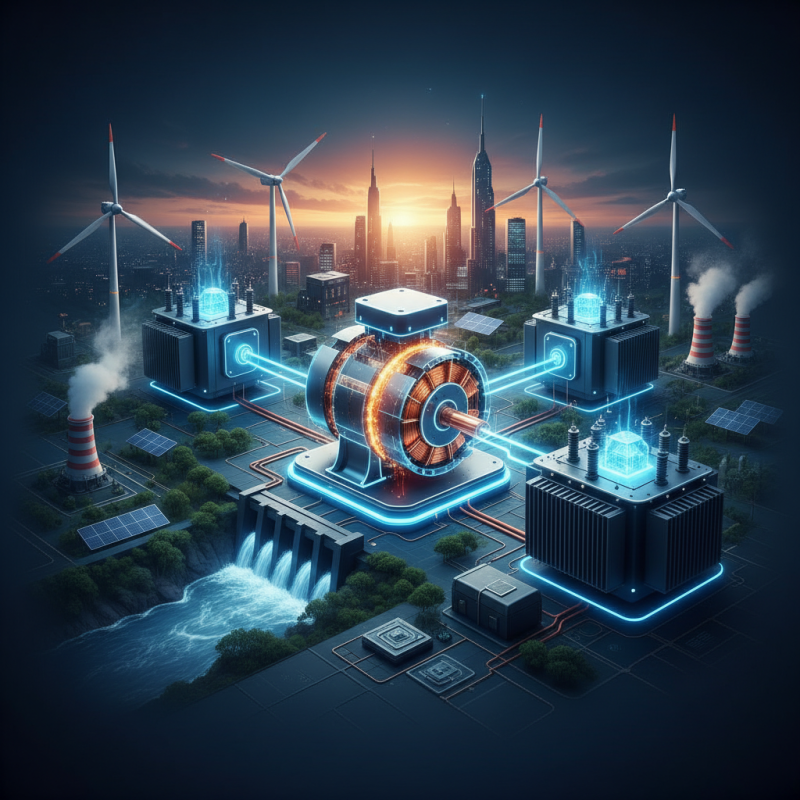
Importance of Electrical Steel in Energy Efficiency
Electrical steel plays a vital role in enhancing energy efficiency in modern applications. This specialized steel is essential for manufacturing electric motors and transformers. According to the International Energy Agency, electric motor systems account for approximately 45% of global electricity usage. Therefore, improving the performance of these systems is critical.
The unique magnetic properties of electrical steel reduce energy losses significantly. Using high-quality electrical steel can cut energy loss by as much as 15% in motors and transformers. This improvement translates directly into reduced operational costs. For businesses reliant on heavy machinery, these savings can be substantial over time.
However, the production of electrical steel presents challenges. The process requires meticulous attention to detail, including the thickness of the steel and its composition. Any deviation can lead to inefficiencies in energy transfer. It's not uncommon for manufacturers to face issues with quality control. These factors necessitate reflection and ongoing improvements in production methods. Higher energy efficiency should remain a focus. The benefits are clear, but achieving them consistently can be a complicated task.
Role of Electrical Steel in Renewable Energy Technologies
Electrical steel plays a pivotal role in renewable energy technologies. It is essential for the efficient operation of electric motors, transformers, and generators. These components are vital in wind turbines and solar power facilities, where the demand for energy efficiency is high. Manufacturers seek materials that minimize energy losses. Electrical steel meets this need through its unique magnetic properties.
The use of electrical steel in wind energy is particularly noteworthy. Wind turbines require high-performance materials to convert wind energy into electricity efficiently. The electrical steel used in generators helps improve power density. This results in smaller, lighter machines, which is crucial for optimizing energy production. Yet, challenges remain in balancing cost and performance, which warrants ongoing research.
Solar power systems also benefit significantly from high-quality electrical steel. It is used in inverters, which are key for converting DC to AC power. The material's magnetic efficiency directly impacts the overall energy conversion process. However, cheap alternatives could limit efficiency, raising concerns about sustainability. The sector must reflect on the trade-offs between cost and quality, pushing for innovation while remaining economically viable.
Why is Electrical Steel Crucial for Modern Energy Solutions? - Role of Electrical Steel in Renewable Energy Technologies
| Dimension | Description | Importance in Renewable Energy | Environmental Impact |
| Magnetic Properties | Electrical steel has low hysteresis loss and high permeability. | Enhances efficiency of transformers and motors. | Reduced energy loss translates to lower carbon emissions. |
| Core Loss | Refers to the energy lost in the core of electrical devices. | Minimizing core loss is crucial for renewable energy systems. | Lower losses contribute to sustainability. |
| Weight Reduction | Electrical steel is lighter compared to traditional steel. | Allows for more efficient design in wind turbines and transformers. | Leads to less material usage and lower transport emissions. |
| Thermal Conductivity | Ability to dissipate heat quickly. | Reduces temperature rise in electrical components. | Improves lifespan and performance, reducing waste. |
| Versatility | Can be used in various applications, from motors to generators. | Supports a range of renewable technologies such as solar and wind. | Facilitates wider adoption of green energy solutions. |
Comparative Analysis of Electrical Steel vs. Traditional Metals
Electrical steel is optimized for magnetic properties. It greatly enhances efficiency in transformers and electric motors. Studies show that using electrical steel can reduce energy losses by up to 15% compared to traditional metals. This is crucial in a world seeking sustainable solutions.
In contrast, traditional metals often suffer from higher energy losses. They do not provide the same level of magnetism needed for energy-efficient devices. The inefficiency can lead to significant wasted energy over time. This becomes problematic, especially as energy demands continue to rise globally.
Some challenges remain with electrical steel. Although it offers advantages, sourcing raw materials can be complex. Additionally, manufacturing processes are often more specialized. Companies must invest in new technologies. The transition is not straightforward. Despite downsides, the shift towards electrical steel is imperative for advancing modern energy solutions.
Advancements in Electrical Steel Manufacturing Processes
Electrical steel is essential for efficient energy solutions today. Innovations in its manufacturing processes are transforming the way we generate and utilize power. Improved methods allow for thinner, lighter sheets that enhance magnetic properties. These advancements lead to higher efficiency in transformers and motors, minimizing energy loss.
Tips: When choosing electrical steel, consider its thickness and composition. Lightweight materials often yield better performance.
The production techniques have evolved, incorporating precision and automation. This shift has increased consistency in product quality. However, challenges remain in balancing cost and performance. Manufacturers must carefully evaluate material sourcing to maintain both efficiency and sustainability.
Tips: Stay informed about new manufacturing technologies. They can significantly impact the performance of electrical applications.
As we push for greener energy solutions, the demand for high-quality electrical steel will grow. Collaboration among researchers and engineers is crucial. They must focus on creating materials that meet future energy needs while also being environmentally friendly. The journey of optimizing electrical steel is ongoing, revealing room for improvement in every step.
Annual Production of Electrical Steel (in thousands of tons)
Future Trends in Electrical Steel Applications for Energy Solutions
Electrical steel is becoming vital in today’s energy landscape. It's essential for transformers, electric motors, and generators. These components are increasingly important for renewable energy. The shift to wind and solar power boosts demand for efficient electrical steel. Its magnetic properties are critical for energy loss reduction.
Future applications of electrical steel hint at exciting advancements. The automotive industry is exploring its use in electric vehicles. Lightweight materials improve performance and range. Challenges remain, however. The production processes can be energy-intensive. Recycling and waste management are also concerns for manufacturers.
In smart grid technology, electrical steel plays a new role. It helps manage energy flow more effectively. Innovative designs may eventually improve grid resilience. Yet, these advancements require careful consideration of cost and sustainability. Balancing innovation with environmental impact is essential in shaping the future.

