How to Choose the Right Tapered Roller Bearing for Your Needs?
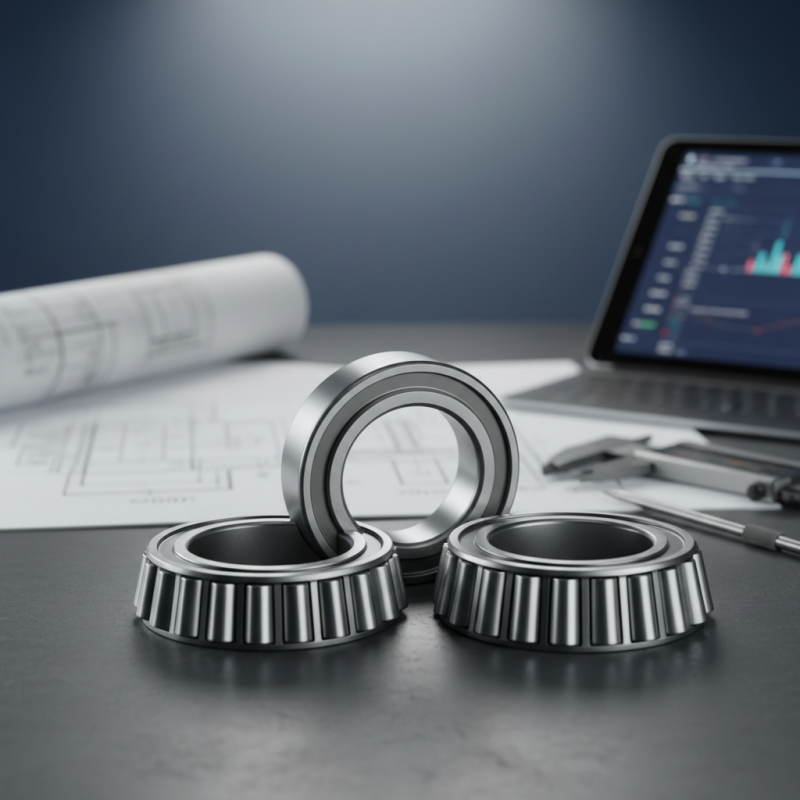
Choosing the right tapered roller bearing can significantly impact machinery performance. These bearings are designed to handle heavy loads and offer low friction. Understanding their structure and application is essential for optimal use.
Consider the size and load requirements of your project. Tapered roller bearings come in various sizes. Selecting the wrong size could lead to reduced efficiency or premature wear. Some might overlook the nuances of design, leading to mistakes.
Evaluate the environment where the bearing will operate. High temperatures, moisture, or dust can affect performance. Be mindful of these factors when making your choice. The right tapered roller bearing ensures smooth operation, longevity, and ultimately, better productivity. Though it may seem straightforward, selecting the perfect bearing is a task that requires careful thought and analysis.
Understanding the Basics of Tapered Roller Bearings
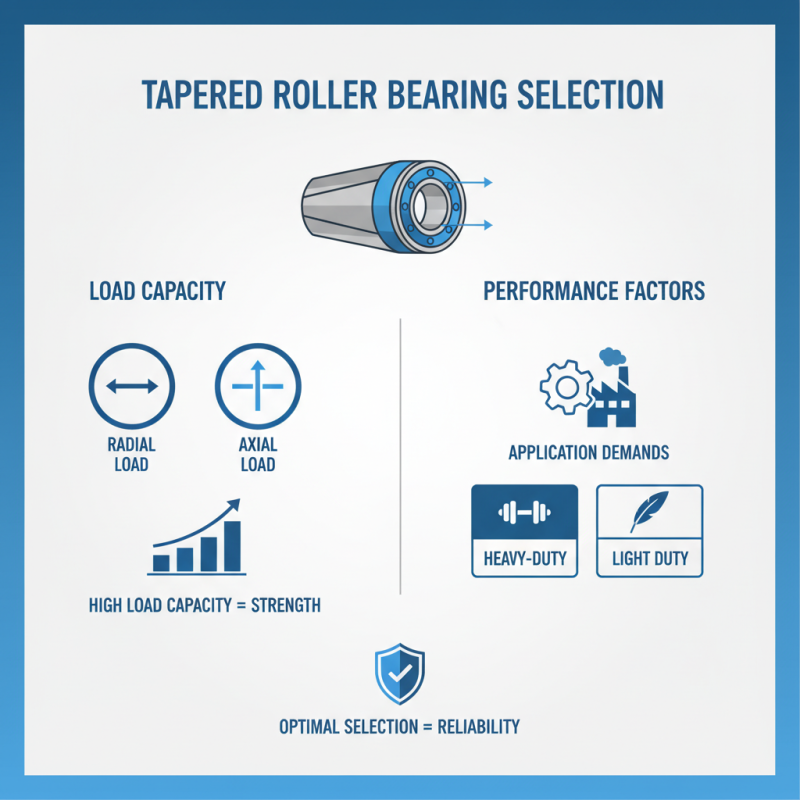
Tapered roller bearings are crucial components in various machinery. They differ from ball bearings in that they can support both radial and axial loads. These bearings feature tapered inner and outer ring surfaces, which help distribute loads evenly. Understanding their design and function helps in choosing the right type for specific applications.
When selecting tapered roller bearings, consider the load capacity, speed, and temperature. The right fit ensures efficient performance. Too tight or loose bearings can lead to failure. Always refer to specifications when deciding which bearing to use.
Tips: Ensure proper installation. Misaligned bearings can cause quick wear. Regular maintenance extends their lifespan. Keep an eye on performance indicators. If there is unusual noise or vibration, reassess the choice of bearing. Even slight deviations can signal a larger issue, prompting further inspection or replacement.
Comparison of Tapered Roller Bearing Load Capacities
This chart compares the dynamic and static load capacities of different sizes of tapered roller bearings, which is essential for selecting the right bearing for specific applications.
Key Specifications to Consider When Selecting Bearings
When selecting tapered roller bearings, several key specifications come into play. Load capacity is crucial. You must understand the working conditions. High loads can lead to premature failure. Therefore, consider both dynamic and static load ratings carefully. Look into the size and geometry of the bearing as well. Measurements like the inner diameter and outer diameter impact your choice significantly.
Another critical aspect is the bearing's material. Materials vary widely, from chrome steel to ceramic options. The choice directly affects the bearing's durability and performance. Environmental factors should also be assessed. Conditions such as pressure, temperature, and lubrication affect how a bearing performs. Sometimes, users overlook these details, leading to disappointing results.
Additionally, keep in mind the clearance. It plays a vital role in minimizing friction. Ensure you understand the application requirements well. An optimal fit may require some trial and error. Don't hesitate to seek expert advice. Balancing all these factors can be complex and may lead to some reflection on your choices. Each specification ties back to your specific needs and expected performance.
How to Choose the Right Tapered Roller Bearing for Your Needs? - Key Specifications to Consider When Selecting Bearings
| Specification |
Details |
| Inner Diameter (mm) |
20 - 500 |
| Outer Diameter (mm) |
40 - 800 |
| Width (mm) |
15 - 200 |
| Load Rating (Dynamic, kN) |
10 - 400 |
| Load Rating (Static, kN) |
14 - 600 |
| Speed Rating (RPM) |
800 - 15000 |
| Material |
Chrome Steel, Stainless Steel |
| Operating Temperature (°C) |
-20 to 120 |
Assessing Compatibility with Existing Equipment and Applications
When selecting the right tapered roller bearing, it's crucial to assess compatibility with your existing equipment and applications. Misalignment can lead to premature failure. A reliable report notes that over 30% of bearing failures arise from improper fit. Understanding the load capacity, size, and operating conditions of your equipment can help mitigate this issue.
Next, consider the environment where the bearing will operate. Harsh conditions, such as high temperatures or exposure to contaminants, require special materials and seals. For instance, bearings in mining applications face significant dust and shock loads. Data suggests that using the correct sealing method can improve bearing lifespan by up to 50%. Ensure your chosen bearing aligns with these environmental demands to avoid unexpected breakdowns.
Lastly, evaluating the existing installation setup is essential. A mismatch in bearing type could result in inefficiencies. Past studies indicate that nearly 25% of user complaints relate to bearings not tailored to specific tasks. Taking the time to assess these factors can lead to more successful equipment performance and greater operational longevity.
Common Applications and Industry Standards for Tapered Roller Bearings
Tapered roller bearings play a crucial role in various industries. They are designed to handle both radial and axial loads. This makes them ideal for heavy machinery and automotive applications. In the automotive sector, they are often used in wheel hubs and gearbox assemblies. Their ability to support high-speed rotations is vital for efficiency.
Different industries have specific needs. For example, in construction, tapered roller bearings must endure harsher conditions. Dust, moisture, and heavy loads can all take their toll. Choosing the right material enhances durability. Also, understanding the load ratings is essential. Many people overlook this detail, leading to premature failure.
Standards for tapered roller bearings can vary. Knowing industry specifications is key. Some applications might require precision engineering. Others may prioritize cost over performance. Balancing quality and budget can be tricky. The right choice impacts the overall system reliability. An informed decision fosters long-term success and efficiency in operations.