How to Choose the Right Cylindrical Roller Bearing for Your Application
When selecting the appropriate cylindrical roller bearing for a specific application, it is essential to consider various factors that ultimately influence performance and longevity. John Smith, a renowned expert in the field of bearing technology, emphasizes that “the right choice of cylindrical roller bearing can dramatically enhance machinery efficiency and reliability.” In an era where precision and durability are paramount, understanding the intricacies of bearing selection becomes crucial.
The cylindrical roller bearing stands out due to its ability to support heavy loads while maintaining operational stability. However, with a myriad of options available, identifying the ideal bearing necessitates not only industry knowledge but also insight into the specific operating conditions it will face. Factors such as load capacity, speed, and environmental factors can significantly impact the effectiveness of a cylindrical roller bearing, making informed selection vital to the success of any engineering project.
As we delve into the key considerations for choosing the right cylindrical roller bearing, we aim to equip engineers and decision-makers with the necessary tools to make informed selections, ultimately fostering improved machinery performance and reducing maintenance costs. By prioritizing the right characteristics, one can ensure that the chosen bearing aligns perfectly with both operational needs and performance expectations.
Understanding the Basics of Cylindrical Roller Bearings
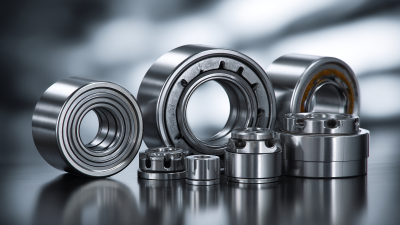
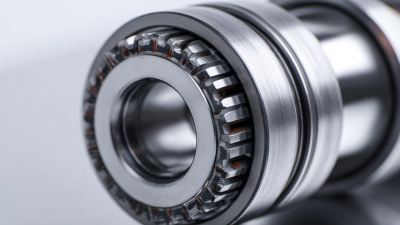
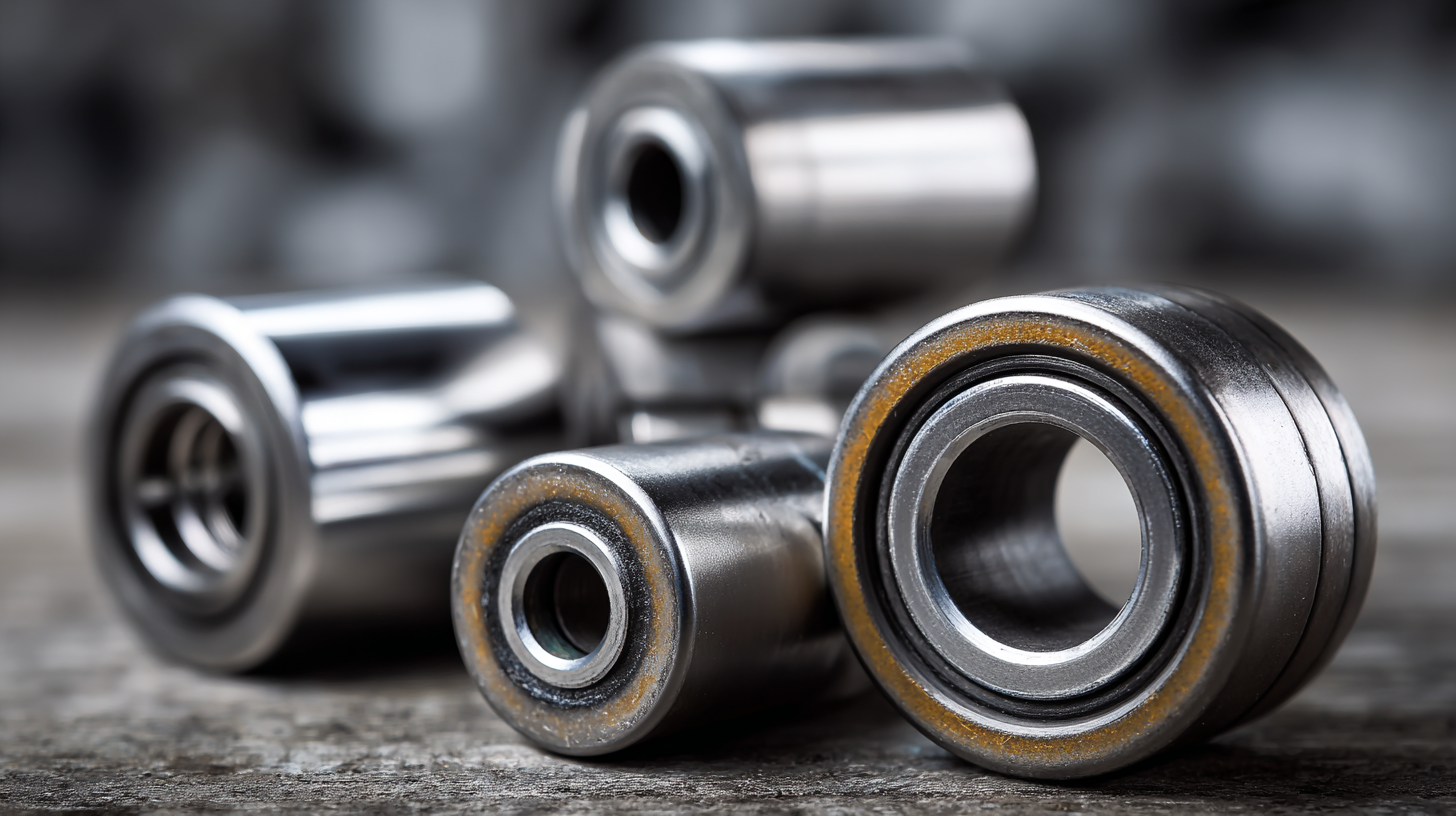
Cylindrical roller bearings are crucial components in various industrial applications, offering high load capacities and robust performance. Understanding their fundamental characteristics is essential before selecting the right type for your needs. These bearings typically feature a series of aligned rollers that minimize friction and enhance load distribution. This design is particularly beneficial in circumstances where radial loads are prominent, making them ideal for heavy machinery, automotive applications, and more.
When choosing cylindrical roller bearings, consider the operating conditions such as load requirements, speed, and environmental factors. Different configurations, such as single-row or multi-row variants, cater to specific load characteristics and space constraints. Moreover, incorporating advanced manufacturing techniques, like 3D printing, can facilitate the creation of custom components tailored to unique operational demands. As industries evolve, the integration of innovative technologies can lead to enhanced designs, ensuring better performance and reliability in bearing applications.
How to Choose the Right Cylindrical Roller Bearing for Your Application
Identifying Application Requirements for Optimal Performance
When selecting a cylindrical roller bearing, understanding application requirements is crucial for ensuring optimal performance. Factors such as load type, speed, operating temperature, and environmental conditions significantly influence bearing selection. According to a report by the International Organization for Standardization (ISO), approximately 30% of bearing failures can be attributed to improper selection, underscoring the importance of thorough assessment during the decision-making process.
Load capacity is a primary consideration; cylindrical roller bearings are designed to accommodate high radial loads while providing low friction. Depending on the application, whether it's in automotive, aerospace, or industrial machinery, the appropriate bearing must be chosen to match the specific load characteristics. Moreover, the ability to operate at high speeds—often exceeding 20,000 RPM in some applications—necessitates careful consideration of lubrication and thermal management. An analysis by the American Bearing Manufacturers Association (ABMA) highlights that bearings exceeding their temperature limits can lead to premature failure, reinforcing the need to match the bearing’s specifications with the application's operating conditions.
Key Factors to Consider When Selecting Bearings
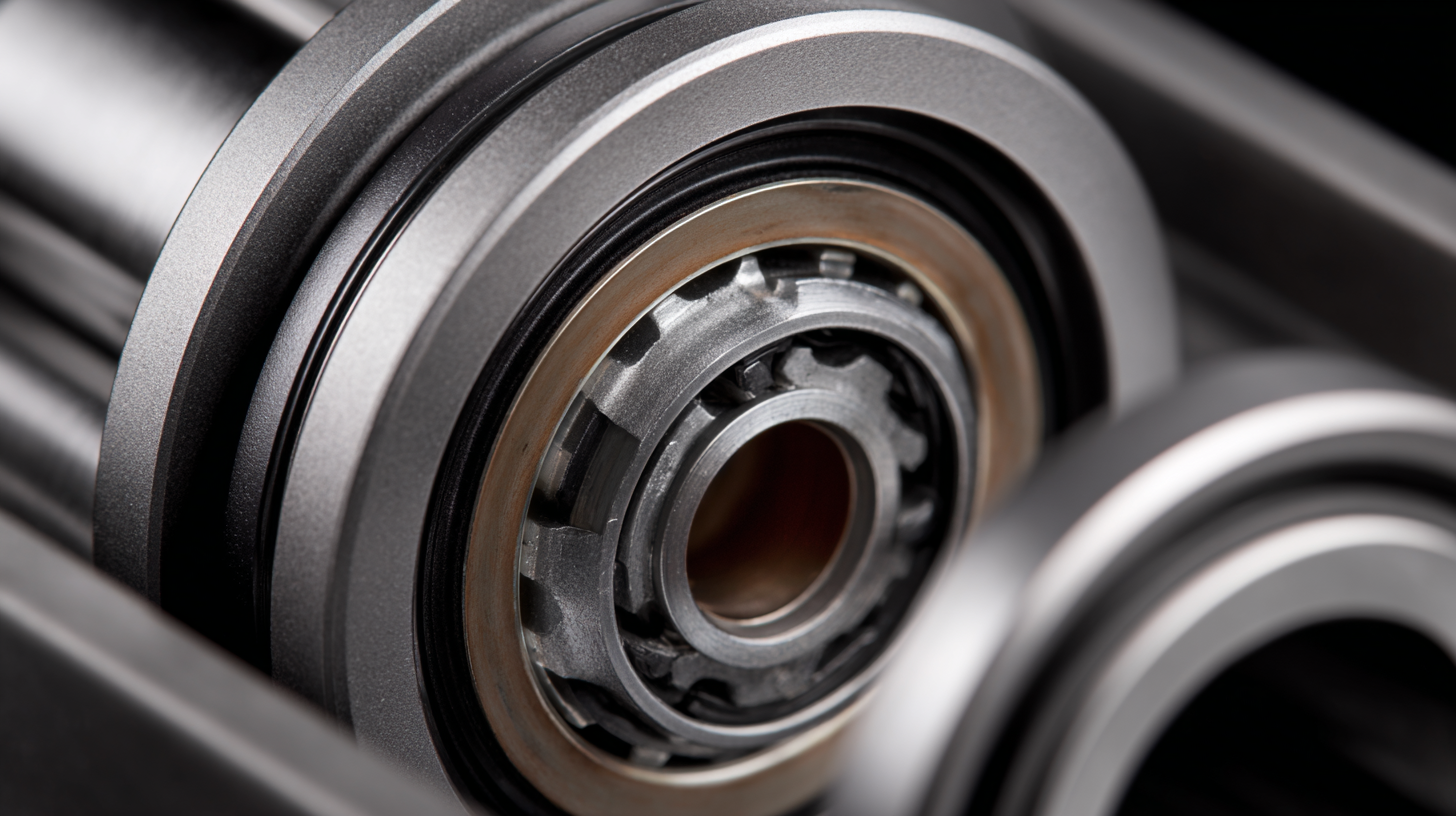
When selecting the right cylindrical roller bearing for your application, there are several key factors to consider that can significantly influence performance and longevity. First, it's essential to evaluate the size and load requirements of your application. Different cylindrical roller bearings are designed to accommodate varying radial and axial loads, so selecting a bearing that matches these specifications is crucial to prevent premature failure.
Another important aspect is the operating environment. Bearings may be subject to different conditions such as temperature fluctuations, moisture, and contaminants. Ensuring that you select bearings made of suitable materials and with appropriate protective features can enhance their durability and functionality in harsh environments. Additionally, consider the reliability and maintenance needs of the bearings, as choosing a high-quality option can reduce downtime and associated costs over the long term. As the global bearing market is projected to reach a value of $468.2 billion in 2024, understanding these factors will help you make informed decisions that align with future industry trends.
How to Choose the Right Cylindrical Roller Bearing for Your Application - Key Factors to Consider When Selecting Bearings
| Criteria |
Description |
Importance Level |
| Load Capacity |
Determines the maximum radial and axial load the bearing can withstand. |
High |
| Speed Rating |
The maximum speed at which the bearing can operate safely. |
Medium |
| Temperature Range |
The operating temperature limits to ensure proper functionality. |
High |
| Lubrication Type |
Type of lubrication required (grease, oil) for optimal performance. |
Medium |
| Material |
Material of the bearing components affecting strength and durability. |
High |
| Sealing Type |
Sealing solution to prevent contamination and retain lubrication. |
Medium |
| Dimensional Accuracy |
Precision of the dimensions affecting fit and runout. |
Medium |
| Application Environment |
Environmental conditions like humidity, dust, and chemicals. |
High |
Comparing Different Types of Cylindrical Roller Bearings
When selecting the appropriate cylindrical roller bearing for your application, it is essential to understand the various types available and their unique characteristics. Cylindrical roller bearings are primarily categorized into different series based on their design, such as single-row, double-row, and multi-row configurations. Single-row bearings are well-suited for accommodating radial loads, while double-row bearings can handle both radial and axial loads due to their increased load capacity. According to a recent industry report by the Research and Markets Group, the demand for double-row cylindrical roller bearings is projected to grow at a CAGR of 5.4% over the next five years as manufacturers seek more robust solutions for heavy machinery.
Tip: Always consider the operating environment when selecting a bearing type. For applications that involve high speeds or fluctuating loads, high-performance materials and advanced lubrication methods can significantly improve bearing life and reliability.
Another critical aspect is the internal design and clearance of cylindrical roller bearings. Options like cylindrical or tapered bore, with or without flanges, can influence the performance under specific load conditions. The choice between these designs can be guided by calculations of load ratings and the expected fatigue life, often requiring the assistance of a bearing selection tool or expert consultation. The annual report from the Bearing Manufacturers Association highlighted that precision-engineered bearings currently account for approximately 30% of the total market share, underlining the increasing value of customization in bearing selection.
Tip: Perform a thorough analysis of load requirements and environmental factors to make an informed choice, potentially consulting with manufacturers for tailored engineering solutions.

Maintenance Tips for Longevity and Efficiency of Bearings
To ensure the longevity and efficiency of cylindrical roller bearings, proper maintenance practices are essential. According to a study by the American Society of Mechanical Engineers (ASME), nearly 50% of bearing failures can be attributed to inadequate lubrication. Regularly inspecting and maintaining lubrication levels can significantly extend the life of bearings, as lubricants reduce friction and help dissipate heat. It's recommended to use high-quality lubricants tailored to the specific conditions of the application, as highlighted in the Bearing Industry Code of Practice.
Additionally, monitoring operating conditions is crucial. A report from the National Institute of Standards and Technology (NIST) emphasizes the importance of vibration analysis, which can detect early signs of bearing wear. Implementing a routine vibration monitoring program can lead to a reduction in unexpected downtime, potentially increasing reliability by up to 30%. Keeping bearings clean from contaminants and ensuring proper alignment further aids in optimizing performance, reducing energy consumption by as much as 15% in certain applications. By following these maintenance tips, operators can enhance the overall efficiency and lifespan of cylindrical roller bearings.