How to Choose the Best HDPE Pipe for Your Project?
When selecting the best HDPe Pipe for your project, understanding its unique properties is crucial. HDPE (high-density polyethylene) pipes are renowned for their strength, durability, and resistance to corrosion. According to a recent report by the Plastic Pipe Institute, HDPE pipes have a lifespan of over 50 years. This makes them a popular choice in various applications, including water distribution and sewage systems.
However, the multitude of options available can be overwhelming. It’s important to consider factors such as pipe diameter, pressure rating, and installation methods. Industry experts suggest that improper selection can lead to costly repairs. The American Society of Civil Engineers highlights that more than 20% of municipal water systems face issues due to inadequate pipe choices. Thus, making an informed decision about Hdpe Pipe is essential for long-term project success.
Careful planning and knowledge about specific project requirements will ultimately guide your choice. Using HDPE pipe inappropriately can lead to significant operational challenges. Be sure to assess all variables to ensure the correct fit for your needs.
Understanding HDPE Pipe Types and Applications
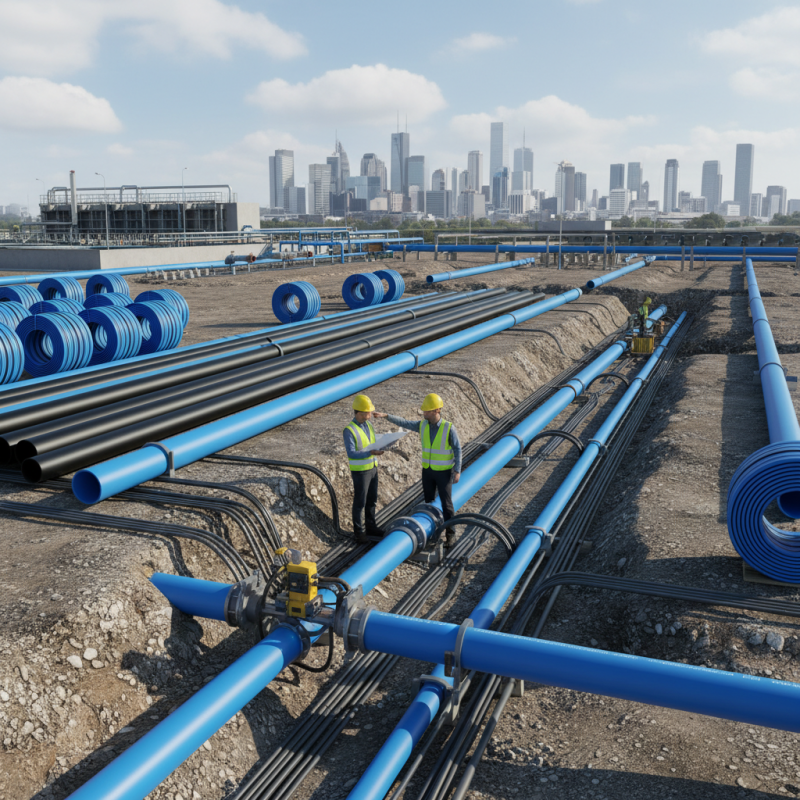
Understanding the various types of HDPE pipes is critical for successful project outcomes. HDPE (High-Density Polyethylene) pipes are notable for their strength, flexibility, and resistance to corrosion. They are primarily used in water distribution, gas distribution, and wastewater management. According to a recent industry analysis, the global demand for HDPE pipes is expected to grow by about 5.7% annually through 2027.
Different applications may require different types of HDPE pipes. For instance, pipe thickness and diameter impact hydraulic performance. A study conducted by the University of Florida highlights that a thicker wall ensures better resistance against external pressures. However, thicker pipes can be more challenging to install and may increase costs. In irrigation projects, smooth interior surfaces reduce friction loss, improving system efficiency.
Additionally, environmental factors play a role in selecting HDPE pipes. Temperature fluctuations can affect material properties. A report from the American Society for Testing and Materials (ASTM) indicates that HDPE can lose some strength in extreme heat. Therefore, understanding the specific conditions of your project site is essential for making informed decisions. Flexibility and ease of installation may save time, but those benefits must be weighed against long-term performance.
Comparing Different Types of HDPE Pipes
Key Factors to Consider When Selecting HDPE Pipes
When selecting HDPE pipes, several key factors come into play. Understanding your project's specific needs is vital. The type of fluid being transported can affect material choices. For example, corrosive substances may require specialized HDPE grades. Always consider the pipe's pressure rating. Pipes must withstand the pressure load without leaking or bursting, especially in heavy-duty applications.
The environment where pipes will be installed is equally important. Factors such as temperature extremes and soil conditions can impact pipe integrity. If pipes will be buried, ensure they meet all necessary durability standards. The installation method can also dictate the type of pipe needed. For complex routes or specific fittings, you may require custom solutions.
Cost is a significant factor but should not be the only concern. Cheaper options may seem attractive initially but can lead to costly repairs. Ensure you're considering long-term savings over upfront costs. Always ask for technical assistance if needed. Engage with knowledgeable suppliers who can provide insights based on experience. Making informed choices early can save time and expenses later.
How to Choose the Best HDPE Pipe for Your Project? - Key Factors to Consider When Selecting HDPE Pipes
| Factor | Description | Considerations | Typical Applications |
| Material Grade | High-density polyethylene (HDPE) is durable and resistant to various chemicals. | Ensure the grade matches your project's environmental and chemical exposure. | Water supply systems, gas distribution. |
| Pipe Diameter | Diameter affects flow rate and pressure capacity. | Calculate required flow rates to select appropriate diameter. | Irrigation, wastewater treatment. |
| Pressure Rating | Indicates the maximum pressure the pipe can withstand. | Select a rating that exceeds expected operating pressure. | Hydraulic systems, industrial applications. |
| Installation Method | Different methods can affect installation cost and ease. | Evaluate cost-effectiveness of methods like trenching vs. directional drilling. | Utility installations, construction projects. |
| Environmental Considerations | Impact of installation on local ecosystems. | Assess environmental regulations and compliance needs. | Land reclamation, pipeline projects. |
Evaluating HDPE Pipe Sizes and Dimensions for Your Needs
When selecting HDPE pipes, understanding sizes and dimensions is crucial. Different projects require various specifications. For instance, small residential projects may utilize pipes with a diameter of 1 inch, while large industrial projects might need 12 inches or more. Knowing your project's requirements is essential for choosing the correct pipe size.
Tips: Always measure the intended space for installation carefully. This prevents any costly mistakes. Consider the intended flow rate, as it significantly impacts the diameter you need. Oversized pipes can lead to inefficiencies, while undersized pipes may cause pressure issues.
Another aspect to evaluate is the wall thickness of the HDPE pipe. This affects the durability and pressure ratings. Thicker walls are necessary for high-pressure applications. Double-check project specifications to ensure you're meeting the required standards.
Remember, too much flexibility in size may not benefit your project. It can lead to instability in certain applications. Custom solutions exist, but they require careful planning and consideration. Make adjustments based on real data from similar projects.
Assessing Quality Standards and Certifications for HDPE Pipes
When selecting HDPE pipe, quality standards and certifications are crucial. The American Society for Testing and Materials (ASTM) establishes significant guidelines. For instance, ASTM D3350 defines the materials used for HDPE pipe, focusing on their strength and durability. Only pipes meeting these specifications ensure reliable performance in various applications.
Certifications like the National Sanitation Foundation (NSF) mark validate that pipes meet health and safety standards. They guarantee that the materials are safe for drinking water. In recent studies, up to 40% of consumers are unaware of these certifications when purchasing HDPE pipes. This can lead to costly mistakes in projects requiring compliance with safety regulations.
Understanding the various quality standards helps in making informed choices. The ISO 4427 certification is vital for pressure pipes. Data from the Plastic Pipe Institute indicates that improperly certified pipes can result in significant project delays and budget overruns. This highlights the need for thorough research before making any decisions. Negotiating supply contracts with suppliers might require reflection on quality over cost-saving. Always prioritize certified products to avoid future complications.
Cost Comparison and Budgeting for HDPE Pipe Projects
When budgeting for HDPE pipe projects, the initial costs are only part of the equation. According to industry research, HDPE pipes can cost between $0.50 to $3.00 per foot, depending on factors like diameter and pressure rating. However, the long-term benefits significantly offset these upfront expenses. They boast a lifespan of up to 100 years, reducing replacement frequency. This longevity can save thousands in labor and material costs.
It's also essential to consider installation costs. While HDPE is lightweight and easier to transport, specialized techniques may be required for installation, impacting labor costs. The Plastics Pipe Institute (PPI) reports that installation of HDPE can be 25% to 50% cheaper than traditional materials, making it a compelling choice when considering lifecycle costs.
Moreover, maintenance costs are generally lower for HDPE systems. They resist corrosion and buildup, reducing the need for repairs. Although there can be variability in project pricing, the overall efficiency often results in better budgeting outcomes. Investing in HDPE can provide a durable solution, but project managers must remain vigilant about hidden costs during the planning phase.

