How to Choose the Right V Belt Idler Pulley for Your Needs?
When selecting a v belt idler pulley, it's crucial to consider several factors. The right pulley can significantly affect the efficiency of your machinery. An ill-suited v belt idler pulley may lead to increased wear and tear, or even failures. Understanding the specific requirements of your application helps prevent costly mistakes.
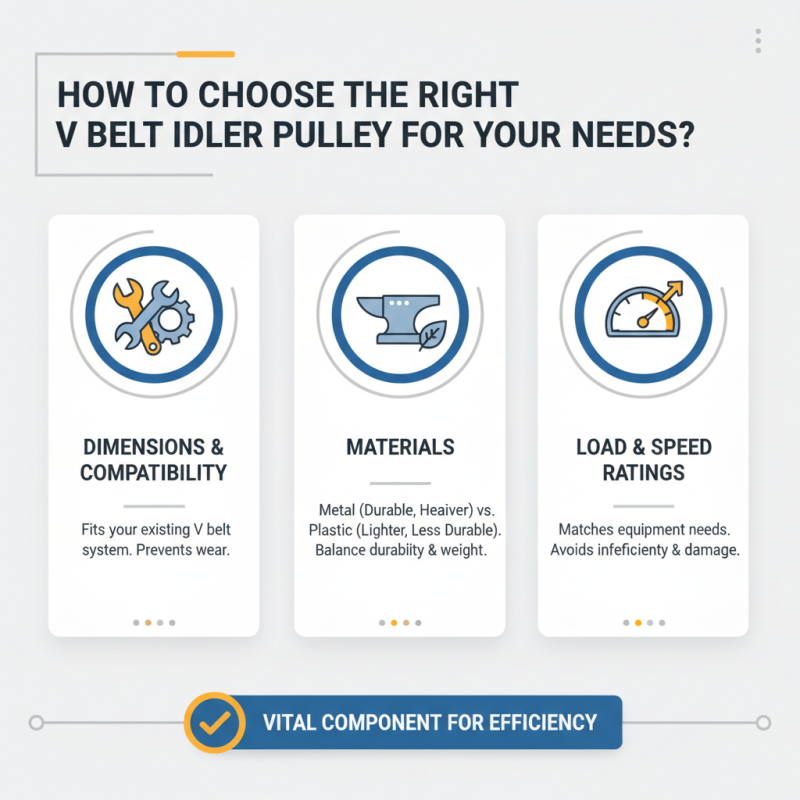
Start by examining the dimensions and compatibility of the pulley. It must fit your existing v belt system. Materials matter too. For instance, metal pulleys may last longer than plastic ones, but they can be heavier. Sometimes, you need a balance between durability and weight.
Lastly, think about the load and speed ratings. These specifications should match your equipment's needs. Choosing the wrong ratings may result in inefficiency or damage. Mistakes can happen, but careful consideration can lead to better outcomes. The right v belt idler pulley isn't just an accessory; it's a vital component of your system.
Identifying Your Specific Application Requirements for V Belt Idler Pulleys
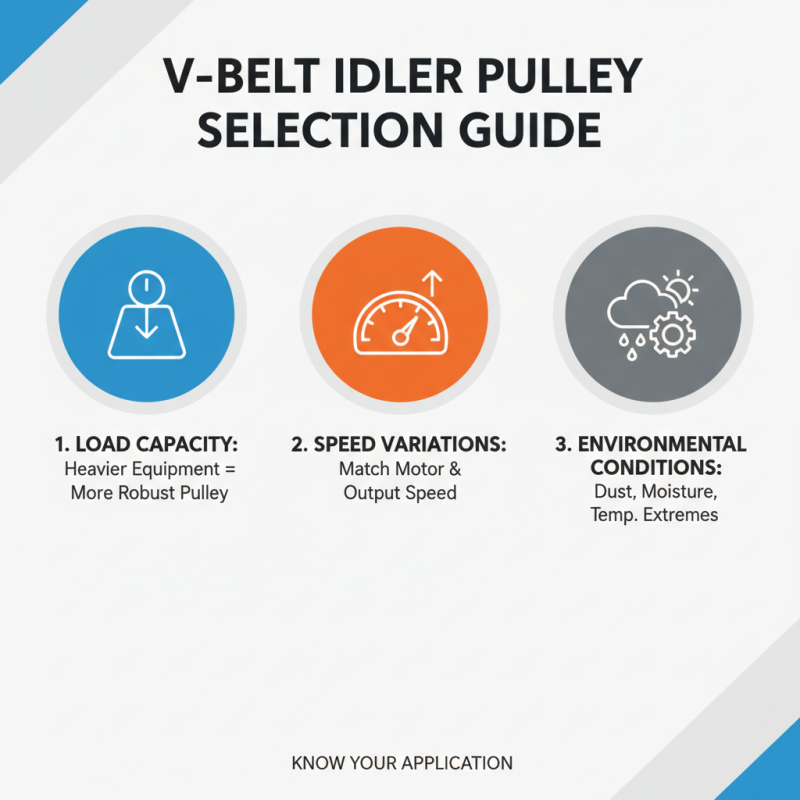
When selecting a V belt idler pulley, knowing your specific application requirements is essential. Assessing load capacity, speed, and environmental conditions can guide your choice. For example, consider the weight of the equipment it will support. A heavier load may require a more robust pulley. Also, speed variations can impact the pulley’s performance. Choose one that suits both the motor speed and the desired output.
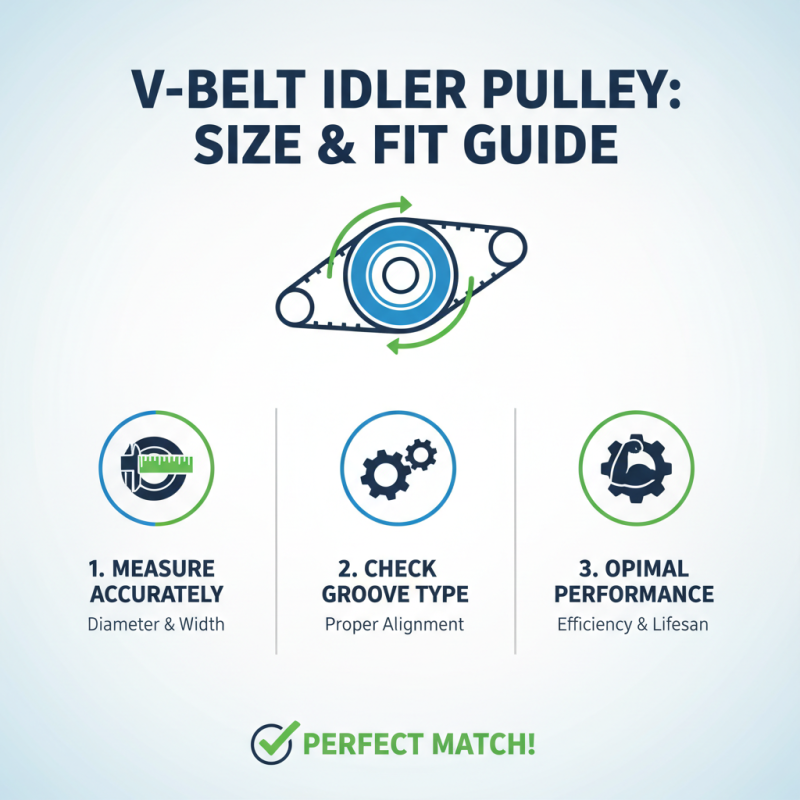
Tip: Always check the dimensions of your existing pulley. A slight mismatch can lead to inefficiencies. Ensure that the shaft diameter and groove width align with your V belt. This alignment prevents slippage and unnecessary wear.
Environmental factors are equally important. If the pulley will operate in harsh conditions, select materials that withstand heat or corrosion. Consider dust or moisture levels. These factors can significantly affect the pulley’s lifespan.
Tip: Consult with professionals if you feel uncertain. They may provide insights that could save you time and resources. Be prepared for trial and error; sometimes, the perfect fit is discovered through experimentation.
Understanding Different Types of V Belt Idler Pulleys and Their Features
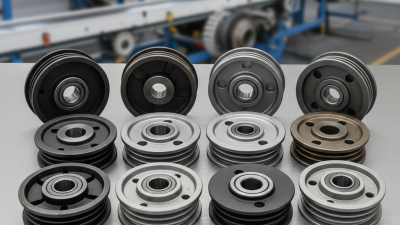
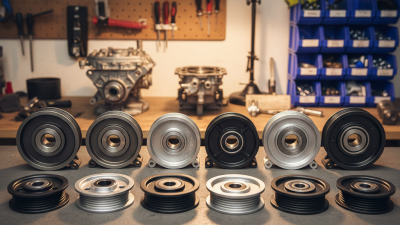
When selecting a V belt idler pulley, understanding the different types is crucial. There are mainly three types: fixed idler pulleys, adjustable idler pulleys, and tensioning idler pulleys. Each type serves specific needs based on the system’s configuration. According to industry reports, using the correct type can improve system efficiency by 20% to 30%.
Fixed idler pulleys are straightforward, ideal for maintaining belt alignment. They do not adjust, which can be a limitation. Adjustable idler pulleys allow for tension changes, offering versatility but can be more complex. Tensioning idler pulleys automatically adjust, ensuring optimal tension but may require more frequent maintenance. These dynamics create the potential for errors in application if the wrong type is selected.
Material choice also matters. Pulleys made from steel are strong but heavy. Lightweight aluminum options exist but may lack durability under higher loads. In some cases, plastic pulleys are used, yet they may not withstand high temperatures. Each material presents trade-offs that need careful consideration based on the operating environment. Misunderstanding these features can lead to increased wear and system failures.
Evaluating Material Options for Durability and Performance
When selecting a V belt idler pulley, material choices are critical. Different materials can dramatically affect performance and lifespan. For instance, steel pulleys are robust but may corrode over time. Plastic options are lighter and can resist certain chemicals but might wear out quicker under heavy loads. Comparing these materials is essential for optimal function.
Durability is a key factor. A poorly chosen pulley could lead to frequent replacements. Look for options with reinforced surfaces. This can prevent premature failure. However, not all materials may suit specific environments. Sometimes, the better option isn’t immediately obvious. Reflecting on operational needs can help guide your choice.
Performance is another aspect to consider. A pulley that doesn't fit well may cause slippage. This can lead to decreased efficiency. It's easy to overlook the small details during selection. The right balance of weight and strength is vital. Careful evaluation will save time and money in the long run.
Considering Maintenance and Replacement Factors in Decision Making
When choosing a V belt idler pulley, maintenance and replacement are key factors. Regular checks can save you from sudden failures. An idler pulley may seem small, but its role is crucial. Each component must be durable and capable of withstanding wear. Consider the material. Metals may last longer than plastics, but both have their downsides.
Replacement frequency should be part of your planning. Some pulleys wear out faster due to environmental factors. Heat, dust, and moisture can all affect their lifespan. A visual inspection can reveal cracks or misalignment. Those signs often indicate it's time for a replacement.
Don’t overlook the tension on your belts. A loose belt can increase wear on the idler pulley. Relying solely on manufacturer guidelines may not suit every situation. Each environment has unique challenges. Be prepared to adjust your choices based on your specific needs. This process may require patience and reflection, but it’s essential for optimal performance.
How to Choose the Right V Belt Idler Pulley for Your Needs?
| Dimension |
Material |
Load Capacity (lbs) |
Speed Rating (RPM) |
Maintenance Frequency (Months) |
Replacement Interval (Years) |
| 3.00 in |
Polymer |
150 |
3000 |
6 |
5 |
| 4.50 in |
Aluminum |
200 |
4000 |
12 |
7 |
| 5.00 in |
Steel |
250 |
5000 |
8 |
6 |
| 6.00 in |
Nylon |
300 |
6000 |
10 |
8 |