How to Choose the Right Cylindrical Roller Bearing for Your Application
When it comes to selecting the appropriate cylindrical roller bearing for your specific application, understanding the various types and their unique features is paramount. Cylindrical roller bearings are designed to accommodate high radial loads and are commonly used in a range of industrial and engineering applications. Their structure allows for the effective handling of misalignment and thermal expansion, making them a reliable choice in environments where precision and durability are essential.
The diverse range of cylindrical roller bearing types can lead to confusion, as each variant is tailored for particular performance parameters. Factors such as load capacity, speed, and operational conditions must be thoroughly assessed to ensure optimal performance and longevity. By exploring the "why" behind each type of cylindrical roller bearing, users can make informed decisions that not only enhance efficiency but also reduce the risk of premature failure.
In this article, we will delve into the critical considerations for selecting the right cylindrical roller bearing, emphasizing the importance of application requirements and operational challenges. We aim to provide clarity on the various options available, enabling engineers and technicians to navigate the complexities of bearing selection with confidence.

Understanding the Basics of Cylindrical Roller Bearings
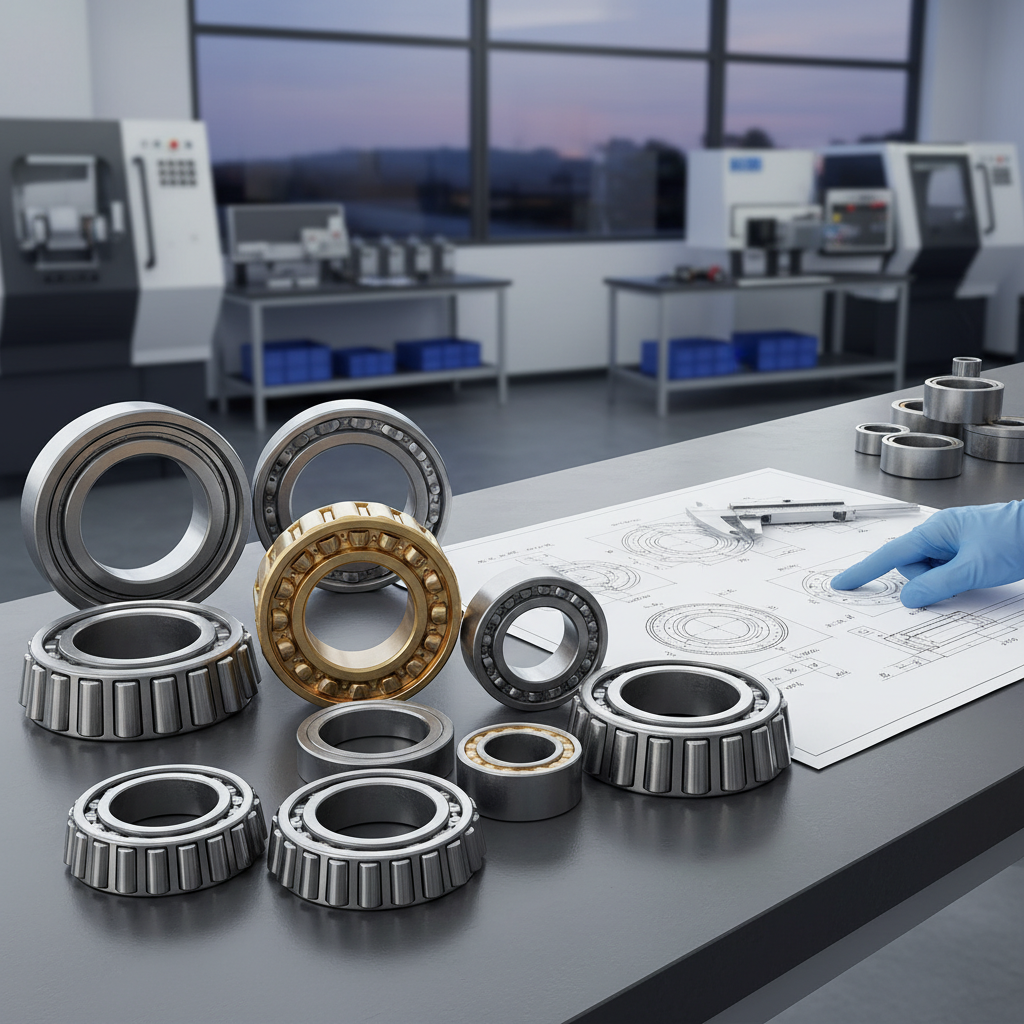
 Cylindrical roller bearings are essential components in various applications, from heavy machinery to automotive systems. Understanding the basics of these bearings is crucial for selecting the right type for your specific needs. According to industry reports, cylindrical roller bearings can handle higher radial loads than thrust loads, making them ideal for applications where space is limited but load capacity is critical. They come in various configurations, including cage, full complement, and single or double-row designs, each tailored to meet different operational demands.
Moreover, the recent advancements in manufacturing, particularly through 3D printing, have led to innovations in bearing design and production. As demonstrated by new developments in machine design, incorporating 3D-printed components allows for customizing bearing geometries to optimize performance and efficiency. In fact, studies indicate that bearings made from advanced materials can extend operational life by over 30%, a significant factor to consider when choosing cylindrical roller bearings for applications with high-speed rotations and heavy loads. By prioritizing these fundamental aspects, engineers can enhance the performance and reliability of their mechanical systems.
Key Factors to Consider When Selecting a Bearing
When selecting a cylindrical roller bearing for your application, several key factors must be considered to ensure optimal performance and longevity. First, the load rating is crucial. According to a report by the American Bearing Manufacturers Association (ABMA), the dynamic load rating of cylindrical roller bearings can significantly impact their life span. Selecting a bearing with a higher load capacity than anticipated can prevent premature failures and ensure reliability in applications involving heavy loads.
Another vital consideration is the operating environment. Cylindrical roller bearings can be subjected to varying temperatures, speeds, and contamination levels. A study by FAG Bearings highlighted that bearings operating in harsh conditions should feature specialized coatings or seals to protect against contaminants and wear. Additionally, the selection of the right lubrication type—whether grease or oil—should align with the operational parameters to minimize friction and heat generation, thereby enhancing efficiency and prolonging service life.
Finally, the alignment and mounting of the bearings play a significant role in their performance. Misalignment can lead to uneven load distribution, which the International Journal of Engineering Research indicates can reduce bearing service life by up to 50%. Thus, proper installation alongside effective maintenance strategies is essential to maximize the functionality of cylindrical roller bearings in your application.
Key Factors to Consider When Selecting a Cylindrical Roller Bearing
Analyzing Load Capacities and Performance Requirements
When selecting a cylindrical roller bearing for your application, understanding load capacities and performance requirements is crucial. According to a report by the International Organization for Standardization (ISO), cylindrical roller bearings can handle large radial loads and moderate axial loads, making them ideal for applications like electric motors, conveyor chains, and heavy machinery. The Dynamic Load Rating (C) is a key metric to consider, as it indicates the maximum load that can be applied to the bearing for a specific life expectancy, typically set at one million revolutions.
Additionally, performance requirements in terms of operating speed and temperature are vital to ensure reliability. A study published by the American Bearing Manufacturers Association (ABMA) indicates that for high-speed applications, the bearing's operating temperature should not exceed 70°C to avoid premature failure. Furthermore, selecting the correct roller profile and material can significantly enhance the bearing's performance and lifespan. For example, bearings made from high-carbon chrome steel show better wear resistance and fatigue strength, a necessity for applications under high cyclic loads. By thoroughly analyzing these aspects, you can make a well-informed choice that maximizes efficiency and reliability in your operations.
Material Selection and Its Impact on Bearing Longevity
When selecting cylindrical roller bearings for specific applications, material choice is a pivotal factor that significantly impacts bearing longevity. Recent studies highlight that material durability plays a critical role in product lifespan, affecting safety and cost-effectiveness across various sectors. For instance, it has been reported that certain advanced bearing materials exhibit improved resistance to wear and can sustain operational demands in harsh environments, which enhances their overall service life.
Further emphasizing the importance of material selection, a recent report indicated that the performance of bearing surfaces can vary dramatically based on the materials used. In clinical applications, bearings manufactured from specialized materials have demonstrated an impressive survivorship rate of 94.1% over 20 years in total hip arthroplasty, underscoring the critical nature of selecting appropriate materials for long-term performance. With innovations in material science, such as hybrid nanocomposites, the potential for improving bearing performance under extreme conditions is expanding, paving the way for enhanced reliability and efficiency in mechanical applications.
Installation and Maintenance Best Practices for Optimal Functioning
When it comes to installing cylindrical roller bearings, proper procedure is crucial for ensuring optimal performance and longevity. Begin by thoroughly cleaning the housing and shaft to remove any contaminants. This step reduces the risk of premature wear and failure. Additionally, ensure that the bearing is compatible with your application’s specific load and speed requirements.
Tips for installation include using appropriate tools to avoid damaging the bearing during placement. It’s advisable to heat the bearing slightly before installation, as this can make it easier to fit onto the shaft. Always follow the manufacturer’s guidelines regarding torque specifications to achieve proper seating without over-tightening.
Maintenance is equally important for the enduring effectiveness of cylindrical roller bearings. Regularly check for signs of wear, such as noise or vibration anomalies, which may indicate that the bearing requires attention. Implement a routine lubrication schedule based on operating conditions to prevent friction and overheating.
Tip: Use quality lubricants that match the bearing's specified requirements to enhance performance and durability. Additionally, ensure to inspect seals or shields periodically to maintain a protective barrier against contamination.