Ceramic Mixer Machine Benefits and How It Works?
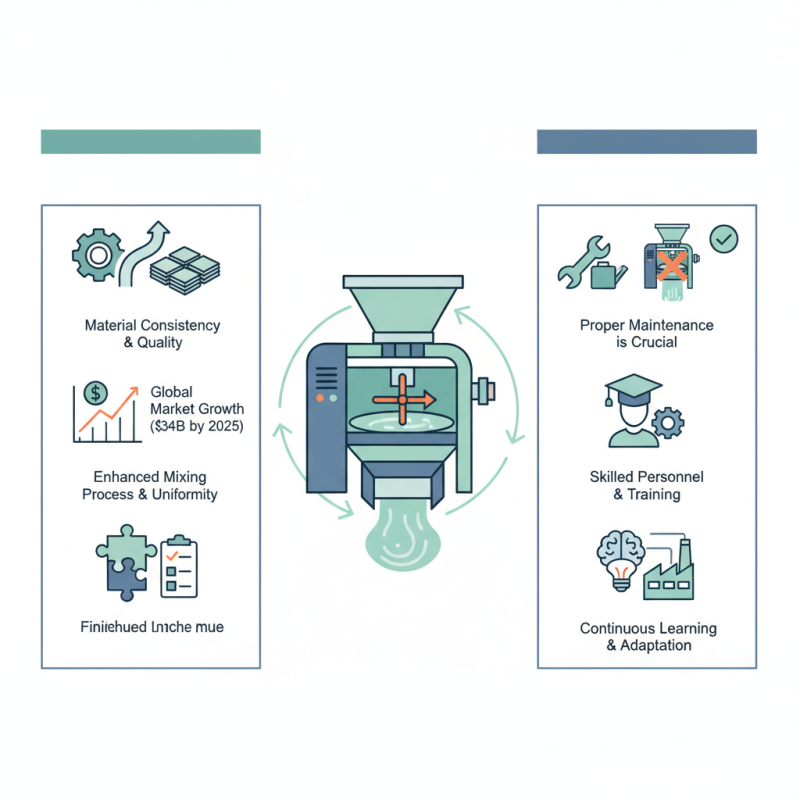
The ceramic industry is rapidly evolving with the introduction of innovative technologies like the ceramic mixer machine. This machine plays a crucial role in improving material consistency and quality. According to a recent industry report, the global ceramic market is projected to reach $34 billion by 2025, driven by advancements in manufacturing techniques.
Investing in a Ceramic Mixer Machine can lead to significant advantages. It enhances the mixing process, ensuring uniformity in the final product. However, many companies still overlook the importance of proper maintenance for these machines. Neglecting routine checks can compromise the quality of the ceramic materials produced.
In addition, implementing this technology requires skilled personnel. Without adequate training, even the best machinery may not yield the desired results. As the industry grows, there is a need for continuous learning and adaptation. Embracing the Ceramic Mixer Machine is a step forward, but only if approached thoughtfully and carefully.
Overview of Ceramic Mixer Machines
Ceramic mixer machines play a crucial role in the ceramics industry. These machines blend raw materials like clay, water, and additives. The process ensures a uniform mixture, which is essential for producing high-quality ceramic products. Proper mixing improves the strength and durability of ceramics.
One advantage of ceramic mixer machines is their efficiency. They can handle large volumes of material quickly. However, not all mixes come out perfect. The wrong ratio can lead to subpar results. It requires careful monitoring and adjustments during mixing. Operators need to be attentive, as even small errors can impact the final product.
Additionally, maintenance is vital for these machines. Regular checks are necessary to avoid breakdowns. Neglecting maintenance can lead to inefficiency, which can increase production costs and waste resources. Therefore, operators should prioritize a routine maintenance schedule. This practice helps in achieving consistent quality while prolonging the machine’s lifespan.
Key Benefits of Using Ceramic Mixer Machines
Ceramic mixer machines offer unique advantages for various industries. They provide consistent and uniform mixing of materials. This ensures high-quality results, which is essential in ceramics production. The machines efficiently blend clay, glazes, and other components to create the desired texture and consistency.
One key benefit is their versatility. These machines can be used for both small and large batches. Users can adjust settings to meet specific requirements. This adaptability makes them suitable for different production scales. Moreover, ceramic mixer machines reduce manual labor, minimizing human error. Operators can focus on other tasks, enhancing overall productivity.
However, there can be challenges. Some users find the learning curve steep when operating advanced models. Maintenance can also be time-consuming. Proper care is essential to prevent breakdowns. Despite these issues, the benefits often outweigh the drawbacks, especially for dedicated ceramicists. Mixing quality can significantly impact final products, making ceramic mixer machines a worthwhile investment.
Ceramic Mixer Machine Benefits Overview
This bar chart displays the key benefits of using ceramic mixer machines, highlighting aspects such as durability, consistency, mixing efficiency, maintenance, and versatility. Each benefit is rated on a scale of 0 to 100, showcasing the strengths of ceramic mixer machines in various applications.
How Ceramic Mixer Machines Operate
Ceramic mixer machines play a crucial role in the ceramics industry. They are designed to blend raw materials uniformly. These machines ensure consistency and quality in the final product. A 2021 industry report noted that uniform mixing can increase product strength by up to 30%. This precision is vital for maintaining standards.
How do ceramic mixer machines operate? They typically use a combination of mechanical and hydraulic systems. The materials are fed into a mixing chamber. Within this chamber, blades rotate at high speeds. This action ensures that even the densest materials are mixed well. Many machines allow for adjustment of speed and time, allowing for customization.
However, not all machines function flawlessly. Some users report challenges in achieving the right consistency. Additionally, maintenance of these machines can be a time-consuming task. A lack of regular checks may lead to inefficiencies, impacting production rates. Ongoing training for operators could help mitigate these issues. It is clear that while ceramic mixer machines offer significant benefits, the operational intricacies require careful management.
Applications of Ceramic Mixer Machines in Industry
Ceramic mixer machines play a vital role in various industries. Their applications span from construction to manufacturing. According to a recent industry report, the global demand for ceramic products in construction is expected to reach $227 billion by 2025. Mixer machines are essential for producing high-quality materials.
In the pottery industry, these machines blend clays and other materials with precision. A study revealed that using advanced mixers reduced material waste by 15%. This is crucial for maintaining cost efficiency. Yet, reliance on these machines may overlook manual techniques that enrich craftsmanship. Without thoughtful integration, some artisans feel their skills may fade.
Ceramic mixers also find use in the pharmaceutical sector. They ensure uniformity in product formulation, which is vital for efficacy. However, concerns about machine limits arise. Some formulas still require careful manual handling to avoid inconsistencies. Balancing automation with traditional methods remains a challenge for many industries.
Maintenance and Care for Ceramic Mixer Machines
Maintaining a ceramic mixer machine is essential for its longevity and efficiency. Regular cleaning is a must. After each use, remove leftover materials to prevent buildup. This can block the mixer and cause uneven results. Washing the mixing bowl and paddles should be done with care. Use gentle cleansers to avoid scratches.
Lubrication is also important. Check the bearings and moving parts regularly for any signs of wear. Applying appropriate lubricants can reduce friction. However, too much lubricant might attract dust and debris, which can lead to further issues. Pay attention to any unusual noises during operation. These might indicate a maintenance need.
Periodic inspections are necessary to ensure all components are in good condition. Look for cracks or damage on the ceramic parts. Sometimes, parts can break unexpectedly, leading to costly repairs. Replace worn-out components promptly to maintain optimal performance. Regular maintenance may require extra effort, but it avoids bigger problems down the line.

